Table
Pinzimonio: The Italian Farmhouse Ritual That Puts Olive Oil at the Center of the Table
Pinzimonio — the centuries-old Tuscan and Lazio custom of dipping raw seasonal vegetables into extra virgin olive oil — asks almost nothing of the cook and everything of the ingredients. A closer look at the farmhouse philosophy behind Italy's simplest meal.
Translated from the Korean edition, originally published July 18, 2026 · read the original
Pinzimonio: Olive Oil as the Main Event
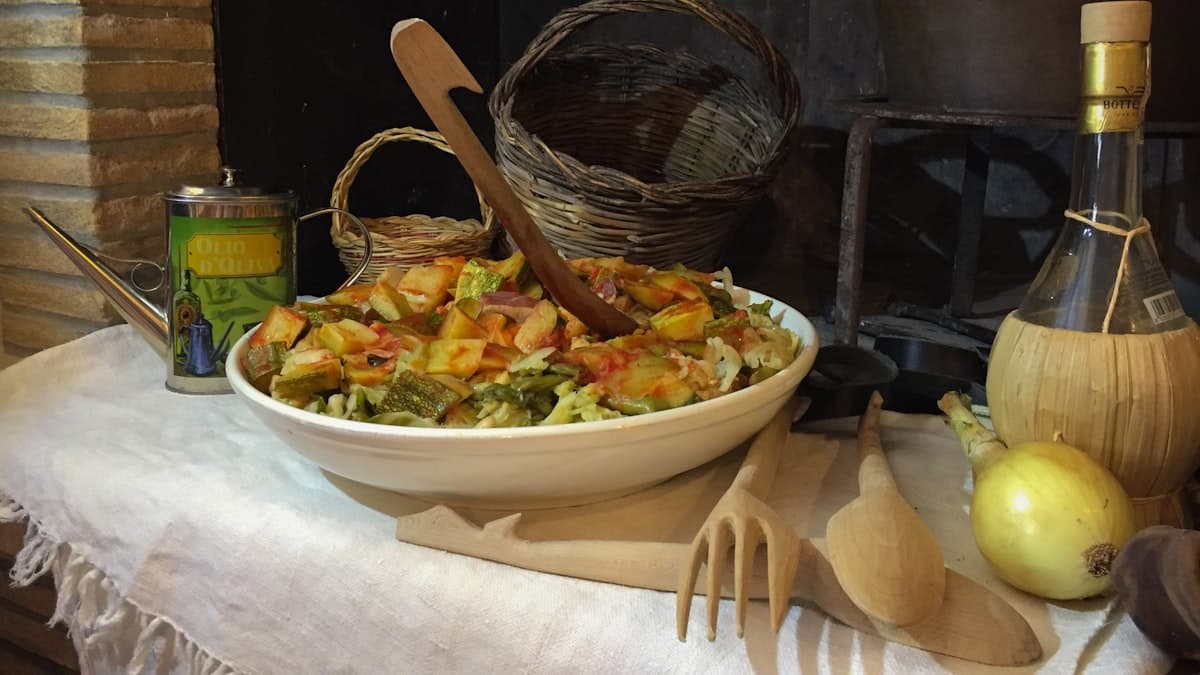
The word pinzimonio may sound unfamiliar at first, but the practice it describes is disarmingly simple: raw vegetables dipped into extra virgin olive oil. A pinch of salt, a crack of pepper, occasionally a drop of lemon juice — that is the full extent of the preparation. At its core, pinzimonio is just two things: good olive oil and vegetables at their seasonal peak.
The tradition is rooted in the farming communities of Tuscany and Lazio, where it developed over centuries as a practical way to bring the garden straight to the table. During the busiest stretches of the agricultural year, carrots, fennel, celery, radishes, and artichoke hearts pulled fresh from the earth were arranged around a bowl of olive oil — no cooking required. The approach reflected the economic realities of rural life, but it also rested on a deep trust in ingredients. Pinzimonio simply does not work with vegetables that are anything less than fresh.
What makes pinzimonio worth examining closely is the role it assigns to olive oil. Here, the oil is not a backdrop or a finishing flourish; it shares the table as an equal protagonist. If the oil is flat, stale, or oxidized, the meal fails before it begins.
How Bread Earns Its Place
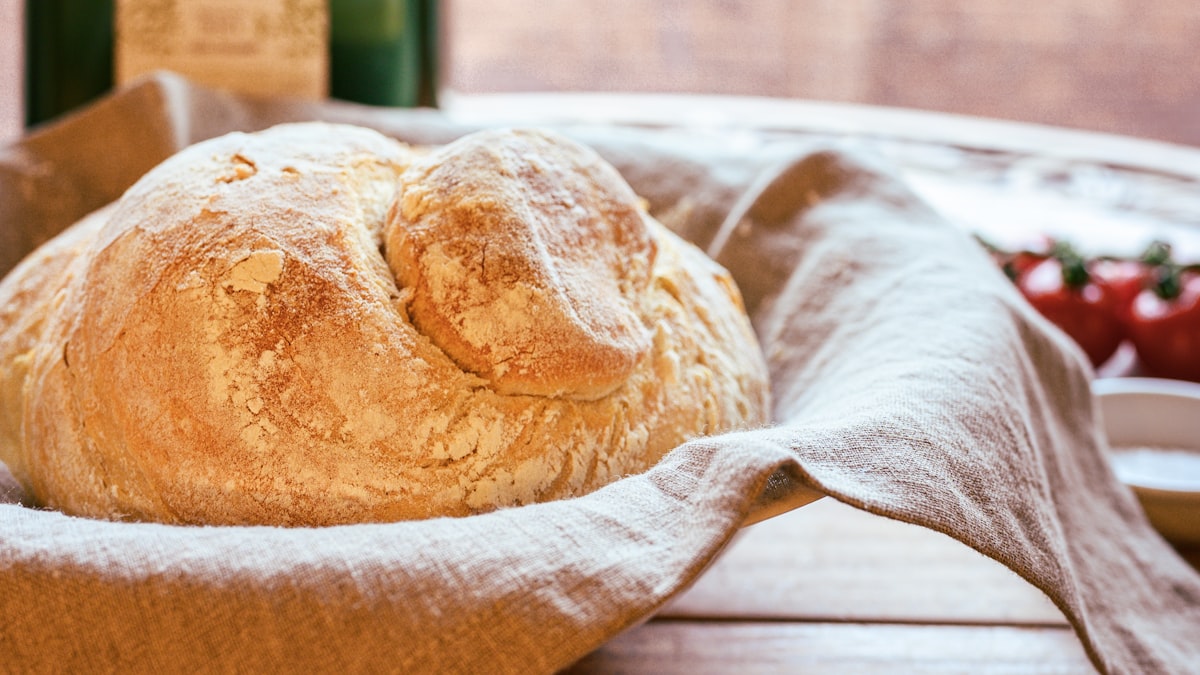
Bread is always present at a pinzimonio table, and in the Italian farmhouse context it is far more than a source of carbohydrates. The combination of olive oil and bread is, in itself, a complete cultural form.
Two preparations sit in the same tradition as pinzimonio: bruschetta and, especially, fettunta. Fettunta is a Tuscan dialect word meaning roughly "oiled slice" — toasted bread rubbed with garlic and dressed generously with fresh olive oil, and nothing else. Tuscany's traditional unsalted loaf, pane sciocco, is a natural partner: its deliberately neutral flavor acts as a clean vehicle for the oil's aroma rather than competing with it.
According to data published by ISMEA (the Italian Institute of Services for the Agricultural Food Market), direct consumption of olive oil alongside bread — that is, without cooking — accounts for a substantial share of household olive oil use in Italy, with the proportion reported to be notably higher in rural areas of central and southern Italy. Behind that figure is a food culture that treats raw application to bread and vegetables as at least as important as cooking with heat.
One further scene in the bread-and-oil relationship deserves attention: scarpetta, literally "little shoe." The word describes the act of wiping up the last traces of sauce or olive oil from a plate using a piece of bread. In Italy this is not considered impolite; it reads as a compliment to the cook. After pinzimonio, running a piece of bread around the bottom of the oil bowl is the most natural conclusion to the meal there is.
Simplicity as a Philosophy
The most important idea pinzimonio carries is an aesthetic of reduction: not assembling dozens of ingredients in elaborate combinations, but presenting the fewest possible ingredients in their best possible state. This attitude runs through Italian farmhouse cooking as a whole.
Materials published by the Slow Food Foundation repeatedly cite "minimal processing of ingredients and respect for seasonality" as defining characteristics of Italy's traditional rural cuisine. Pinzimonio is frequently cited in that context as one of the clearest expressions of those principles.
For that simplicity to mean anything, ingredient quality is non-negotiable. Extra virgin olive oil is the baseline. Because the oil never meets heat and comes into direct contact with vegetables or bread, its intrinsic aroma, fruitiness, and balance of bitterness and pungency are fully exposed. Among Italian cooks, it is widely understood that oils carrying notes of green apple, almond, or fresh grass bring the flavors of the accompanying vegetables into sharper focus.
Choosing an Olive Oil for Pinzimonio
When olive oil is used raw, as it is in pinzimonio, the choice of oil is decisive. Extra virgin olive oils with higher polyphenol content are generally understood to offer richer flavor and greater resistance to oxidation. According to International Olive Council (IOC) standards, extra virgin olive oil must register a free acidity of no more than 0.8% expressed as oleic acid; a lower figure is among the indicators of freshness and quality that producers and buyers refer to.
Cultivar character is also worth considering. In Tuscany, varieties such as Moraiolo and Frantoio — known for pronounced bitterness and pungency — are traditionally regarded as well matched to pinzimonio. The Picual cultivar, originating in Andalusia, Spain, has been reported to bring high polyphenol levels and a clearly defined flavor profile that suits raw dipping preparations.
Storage matters too. Olive oil is vulnerable to light, heat, and air. After opening, a bottle is best kept in a cool, dark place. When serving pinzimonio, pour only what is needed into the dipping bowl — limiting the oil's exposure to air helps preserve its freshness through the meal.
Bringing Pinzimonio to Your Own Table
Pinzimonio requires no culinary technique whatsoever, which is precisely what makes it the most honest way to taste an olive oil. Cucumber, carrot, bell pepper, cherry tomatoes, and kohlrabi are all excellent candidates. Pour a good extra virgin olive oil into a small bowl, set out some flaky salt and freshly ground pepper, and the setup is complete.
For the bread course, a baguette, ciabatta, or sourdough all work well. The guiding principle is that neither the bread nor the vegetables should overpower the oil — in pinzimonio, the olive oil has the most to say, and everything else at the table is there to listen.
The modest ritual that Italian farmhouse tables have kept alive for generations ultimately demonstrates how powerful a culinary language trust in ingredients and attentiveness to season can be. Strip away the complexity, and what remains is pinzimonio.
Frequently asked questions
- What is pinzimonio?
- Pinzimonio is a traditional Italian — particularly Tuscan and Lazio — way of eating in which raw seasonal vegetables are dipped directly into extra virgin olive oil, usually seasoned with salt and pepper and sometimes a squeeze of lemon. No cooking is involved; the quality of the oil and the freshness of the vegetables do all the work.
- What kind of olive oil should I use for pinzimonio?
- Extra virgin olive oil is the baseline requirement. Because the oil is used raw and in direct contact with the vegetables, its full aroma, fruitiness, bitterness, and peppery finish are completely exposed. According to International Olive Council (IOC) standards, extra virgin olive oil must have a free acidity of no more than 0.8% (expressed as oleic acid), with lower figures generally indicating greater freshness and quality. Tuscan varieties such as Moraiolo and Frantoio, known for their bold bitterness and pungency, are traditionally considered well suited to pinzimonio; the Spanish Picual cultivar, noted for its high polyphenol content and assertive flavor, has also been reported to work well in raw dipping preparations.
- What vegetables work best for pinzimonio?
- In the Italian farmhouse tradition, whatever was freshest from the garden — carrots, fennel, celery, radishes, and artichoke hearts — went onto the table. The guiding principle is peak-season freshness: raw preparation leaves no room to hide produce that is less than its best. Cucumber, bell pepper, cherry tomatoes, and kohlrabi are equally good options outside Italy.
- What is fettunta, and how does it relate to pinzimonio?
- Fettunta is a Tuscan dialect word meaning roughly 'oiled slice.' It refers to grilled or toasted bread rubbed with garlic and generously dressed with fresh extra virgin olive oil — nothing more. It belongs to the same culinary philosophy as pinzimonio: minimal preparation, maximum reliance on ingredient quality. Tuscany's unsalted bread, pane sciocco, is a traditional partner precisely because its neutral flavor acts as a clean vehicle for the oil's character.
- What does 'scarpetta' mean, and is it considered rude?
- Scarpetta — literally 'little shoe' — is the Italian practice of wiping up the last traces of sauce or olive oil from a plate with a piece of bread. In Italian dining culture it is understood as a compliment to the cook, not a breach of table manners. After a round of pinzimonio, mopping up the remaining oil with bread is considered the natural and entirely proper way to finish the meal.
Related reading
- Ciabatta, Sourdough, Focaccia: Matching Bread Character to Olive Oil Intensity
Ciabatta, sourdough, and focaccia each bring a distinct fermentation profile, crumb structure, and crust to the table. Matching olive oil intensity to bread character lets both ingredients amplify each other rather than compete.
- Guacamole, Tacos, and Olive Oil: A Pairing That Goes Back Centuries
From sixteenth-century Spanish missionaries to modern Latin kitchens in Mexico City, New York, and Los Angeles, extra virgin olive oil has long had a place at the Mexican table. This guide traces the history and explores how chefs are using it today.
- Butter Country No More: How Scandinavia Learned to Cook with Olive Oil
Olive oil is reshaping Nordic kitchens — from Copenhagen's Michelin-starred restaurants to Swedish home pantries. This guide traces how EVOO found its place alongside smoked fish, fermented rye, and root vegetables in one of the world's most distinctive food cultures.
- Pairing Olive Oil with Wine: A Guide to Matching Aromas, Bitterness, and Texture
Extra virgin olive oils differ markedly in acidity, bitterness, and fruitiness — and each profile calls for a different wine partner. This guide maps those sensory axes to white, red, and natural wines.
- Soy, Gochujang, Doenjang: Ratio Guides for Korean Jang Dressings with Extra Virgin Olive Oil
Combining extra virgin olive oil with Korea's fermented jang pastes opens unexpected flavor territory — but the ratios matter. This guide breaks down the optimal oil-to-jang proportions for soy sauce, gochujang, and doenjang, with practical applications for each.
- Decanting vs. Direct Pour: How You Serve Olive Oil Shapes Its Aroma
Whether to transfer extra virgin olive oil into a decanter or pour straight from the bottle is not merely a matter of style. Oxygen exposure time and temperature shifts both affect the volatile compounds responsible for fresh, complex aroma.
Tags
- pinzimonio
- italian food culture
- extra virgin olive oil
- bruschetta
- raw olive oil