Table
Za'atar, Hummus, Labneh: The Olive Oil Logic Behind the Levantine Table
Across Lebanon, Jordan, Palestine, and Syria, olive oil is not a cooking medium but a finishing signature — poured last, always raw, always intentional. A guide to the role it plays in three defining dishes of the Levantine kitchen.
Translated from the Korean edition, originally published August 12, 2026 · read the original
The Olive Tree Came First
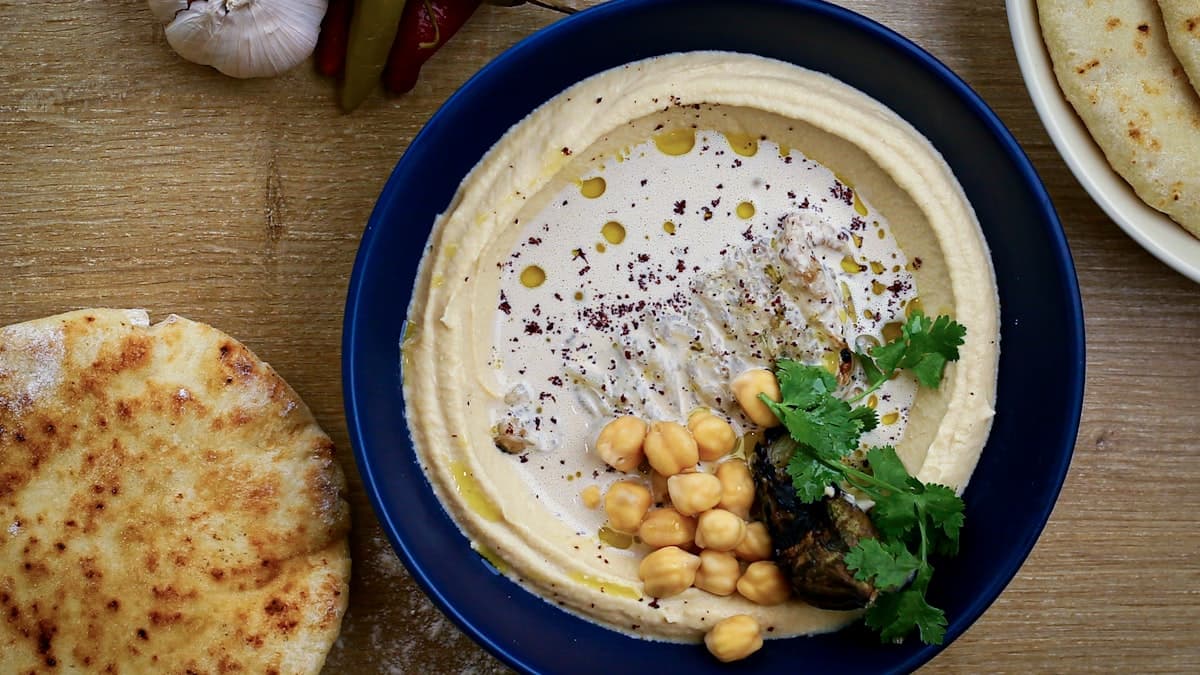
The Levant — the cultural and geographic arc along the eastern Mediterranean coast that takes in present-day Lebanon, Syria, Jordan, Palestine, and Israel — has archaeological evidence of olive cultivation stretching back to around 6000 BCE. For the people of this region, olive oil was never simply a cooking fat. It lit lamps, consecrated rituals, and protected skin. But at the center of all those uses was the act of eating.
According to data published by the Food and Agriculture Organization of the United Nations (FAO), per-capita olive oil consumption in Levantine countries averages between four and eight liters per year — far above the global average of roughly 0.5 liters. Millennia of food culture show up plainly in the numbers. On the Levantine table, olive oil almost always arrives last: poured on at the end, a signature rather than a building block.
Za'atar — A Duet of Herb and Oil
Za'atar is simultaneously a wild herb and a spice blend. Dried, crushed thyme, oregano, or marjoram-family herbs native to the Middle East are combined with sesame seeds and sumac. On its own the mixture is rough and dry. The moment olive oil enters, something distinct happens: the flavor the Levantine kitchen is reaching for — rich yet bright, deep yet clean — becomes audible.
At the breakfast table za'atar appears in two forms. It is either kneaded with olive oil and spread on flatbread dough before baking into manakish, or fresh bread is dipped first into oil and then pressed into a dish of za'atar. In both cases the choice of oil determines the texture of the result. To hold its own against sumac's acidity, a fruity extra virgin with a peppery, lingering finish is the natural fit. Culinary researchers broadly agree that a low-acidity, higher-polyphenol early-harvest oil brings za'atar's herbal register into sharper focus.
Hummus — Incomplete Without Olive Oil
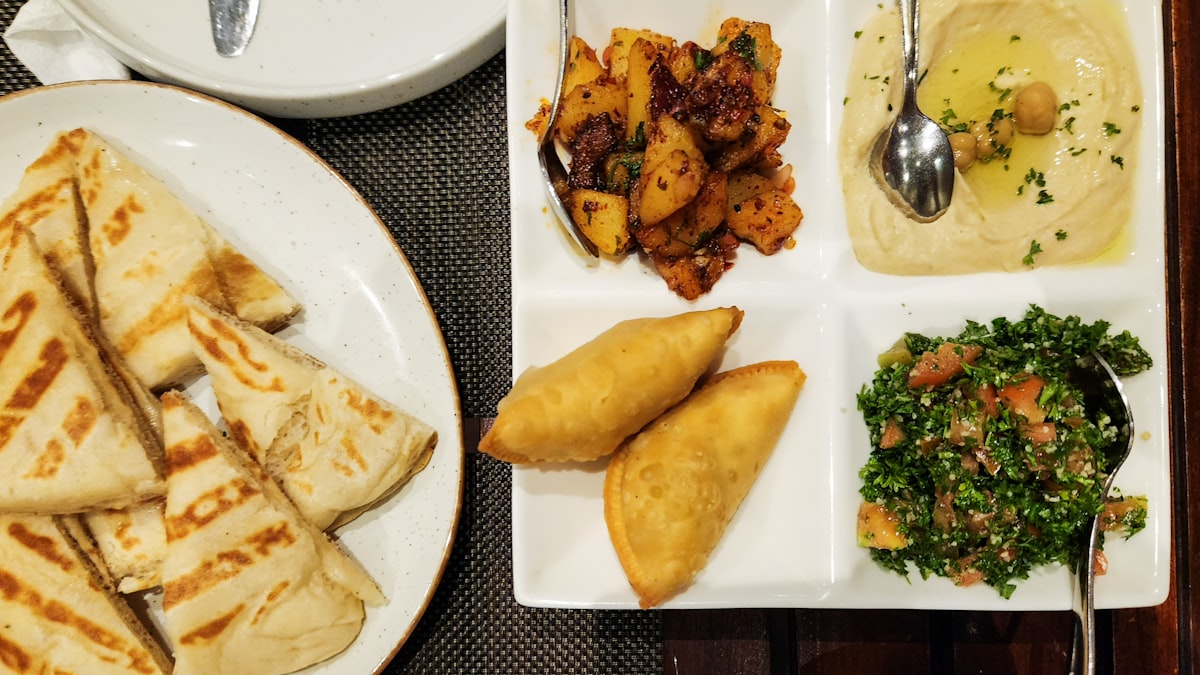
Hummus is a dip of cooked chickpeas blended with tahini, lemon juice, and garlic. It is made daily in homes and restaurants across the Levant, and it has spread widely across European and North American tables. According to a report by market research firm Euromonitor, the global hummus market surpassed approximately three billion dollars in 2023, with growth driven in large part by rising interest in the Mediterranean diet.
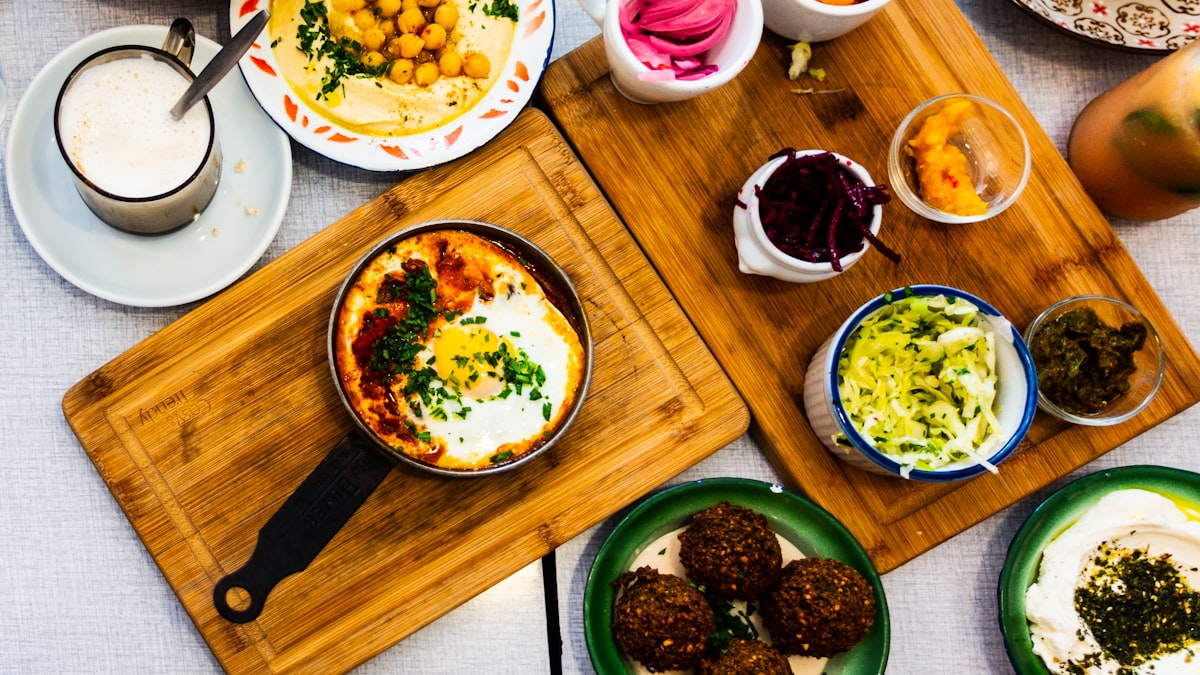
The final step in making hummus is always a generous pour of olive oil. Levantine cooks sometimes describe this moment as "dressing" the dish. The oil forms a glossy film across the surface, preventing the dryness that sets in as the dip sits. It also serves as the medium through which tahini's nuttiness, lemon's acidity, and garlic's sharpness arrive on the tongue as a single, unified sensation.
For pairing purposes, overly buttery or very light oils tend to disappear beneath the weight of chickpea. Oils with green-fruit character — artichoke, green apple — and a peppery finish are generally recommended: they provide the vitality needed to animate a dense, earthy base.
Labneh — A Long Partnership Between Cultured Milk and Oil
Labneh is strained yogurt — wrapped in cheesecloth, drained of whey, and left to thicken into a fresh fermented cheese. It is denser than Greek yogurt, brighter than cream cheese, and in Lebanese, Jordanian, and Palestinian households it appears on the table from breakfast through dinner, always accompanied by olive oil.
The most fundamental presentation is a bowl of labneh with olive oil pooled at its center, finished with mint, za'atar, or crushed garlic. For longer storage, labneh is rolled into small balls and submerged in olive oil in glass jars — a traditional method still practiced today. The oil slows oxidation and helps sustain the lactic environment the cheese needs, allowing it to keep for several weeks.
In pairing terms, labneh rewards a more moderate oil. The goal is an oil that holds its own without clashing with the tang of lactic fermentation — which points toward a well-balanced, fruit-forward extra virgin rather than an aggressively bitter early-harvest. Mid-harvest or slightly later-harvest varieties tend to play this role naturally.
Why Only Extra Virgin Works Here
The decisive fact about olive oil in Levantine cooking is that it is almost always used raw — added at the end, never heated. That structure means the oil's own aroma and flavor are delivered directly and without transformation. Refined or pure-grade olive oils, which have had their volatile compounds reduced through processing, cannot fill that role.
According to International Olive Council (IOC) standards, extra virgin grade requires acidity below 0.8% and no sensory defects — conditions that must be met before the vivid aromatic character the Levantine table depends on can express itself. In practice, many households across the region still source their oil directly from known farms or trusted producers, a habit that persists to this day. The underlying belief is straightforward: the freshness and authenticity of the oil determine the quality of the meal. The pour over za'atar, hummus, or labneh is a sensory choice refined across thousands of years.
Bringing the Levantine Table Home
Labneh and hummus are now available in grocery store refrigerator sections in many countries, and za'atar blends can be found at specialty food importers. The principle that travels with all of them is the same: the oil you finish with matters.
A drizzle of a genuinely fruity extra virgin over store-bought hummus is enough to move it from flat to dimensional. Bread dipped in oil before being pressed into za'atar depends on the oil to release the spice blend's character and tie the table's aromas into a coherent whole. Olive oil has long been positioned as a health-conscious ingredient. The Levantine kitchen suggests a different framing: it is a cultural language, and learning to read it starts with what you pour last.
Frequently asked questions
- Why do Levantine recipes always pour olive oil on at the end rather than cooking with it?
- In dishes like hummus and labneh, the oil is never heated — it is the final layer of flavor, delivering aroma, richness, and sheen directly to the palate. Because no heat is involved, refined or pure-grade oils cannot replicate the effect. According to IOC standards, only extra virgin olive oil — acidity below 0.8%, zero sensory defects — carries the aromatic intensity the format demands.
- What kind of olive oil works best with za'atar?
- Culinary researchers generally recommend a fruity, early-harvest extra virgin with low acidity and a peppery finish. The bitter-green notes amplify za'atar's herbal character, while the oil's body bridges the dryness of the spice blend. The tartness of sumac in the mix also resonates better with a higher-polyphenol oil than with a mild, buttery one.
- How does olive oil act as a preservative in labneh stored in jars?
- When labneh balls are submerged in olive oil, the oil forms a barrier that slows oxidation and helps maintain the lactic-acid environment the cheese needs. This traditional preservation method, still practiced in Lebanese, Jordanian, and Palestinian households, allows the labneh to keep for several weeks at room temperature.
- How big is the global hummus market, and what is driving its growth?
- According to a report by market research firm Euromonitor, the global hummus market exceeded approximately three billion dollars in 2023. The firm attributes the expansion in large part to growing consumer interest in the Mediterranean diet and plant-based eating.
Related reading
- Ciabatta, Sourdough, Focaccia: Matching Bread Character to Olive Oil Intensity
Ciabatta, sourdough, and focaccia each bring a distinct fermentation profile, crumb structure, and crust to the table. Matching olive oil intensity to bread character lets both ingredients amplify each other rather than compete.
- Guacamole, Tacos, and Olive Oil: A Pairing That Goes Back Centuries
From sixteenth-century Spanish missionaries to modern Latin kitchens in Mexico City, New York, and Los Angeles, extra virgin olive oil has long had a place at the Mexican table. This guide traces the history and explores how chefs are using it today.
- Butter Country No More: How Scandinavia Learned to Cook with Olive Oil
Olive oil is reshaping Nordic kitchens — from Copenhagen's Michelin-starred restaurants to Swedish home pantries. This guide traces how EVOO found its place alongside smoked fish, fermented rye, and root vegetables in one of the world's most distinctive food cultures.
- Pairing Olive Oil with Wine: A Guide to Matching Aromas, Bitterness, and Texture
Extra virgin olive oils differ markedly in acidity, bitterness, and fruitiness — and each profile calls for a different wine partner. This guide maps those sensory axes to white, red, and natural wines.
- Soy, Gochujang, Doenjang: Ratio Guides for Korean Jang Dressings with Extra Virgin Olive Oil
Combining extra virgin olive oil with Korea's fermented jang pastes opens unexpected flavor territory — but the ratios matter. This guide breaks down the optimal oil-to-jang proportions for soy sauce, gochujang, and doenjang, with practical applications for each.
- Decanting vs. Direct Pour: How You Serve Olive Oil Shapes Its Aroma
Whether to transfer extra virgin olive oil into a decanter or pour straight from the bottle is not merely a matter of style. Oxygen exposure time and temperature shifts both affect the volatile compounds responsible for fresh, complex aroma.
Tags
- levantine cuisine
- za'atar
- hummus
- labneh
- extra virgin olive oil
- middle east