Table
Aglio e Olio: The Ratios That Make or Break an Olive Oil Pasta
Born in Neapolitan home kitchens, aglio e olio asks only three ingredients of its cook — but the quality and exact proportions of each one determine everything. A deep look at the golden ratios, the emulsification science, and which cultivar to reach for.
Translated from the Korean edition, originally published July 28, 2026 · read the original
Three Ingredients, One Neapolitan Philosophy
Aglio e Olio translates from Italian as simply "garlic and oil" — and the name is the recipe. For centuries, Neapolitan home cooks have reached for this dish on nights when the refrigerator is bare, earning it the affectionate label la pasta dei poveri, the poor man's pasta. Yet simplicity here is not the same as forgiveness. With only three ingredients in play, the quality and proportion of each one become the sole variables that determine the outcome.
According to figures published by Italy's Ministero delle Politiche Agricole, the average single-serving use of extra virgin olive oil (EVOO) in Italian home pasta cooking runs to 30–40 ml. In aglio e olio that figure is not merely statistical: the oil functions simultaneously as sauce, fat, and flavor vehicle — three roles at once.
The Golden Ratios — Per-Serving Numbers to Cook By
Proportions vary by region and cook, but the benchmarks most widely cited in Accademia Italiana della Cucina guidelines are as follows.
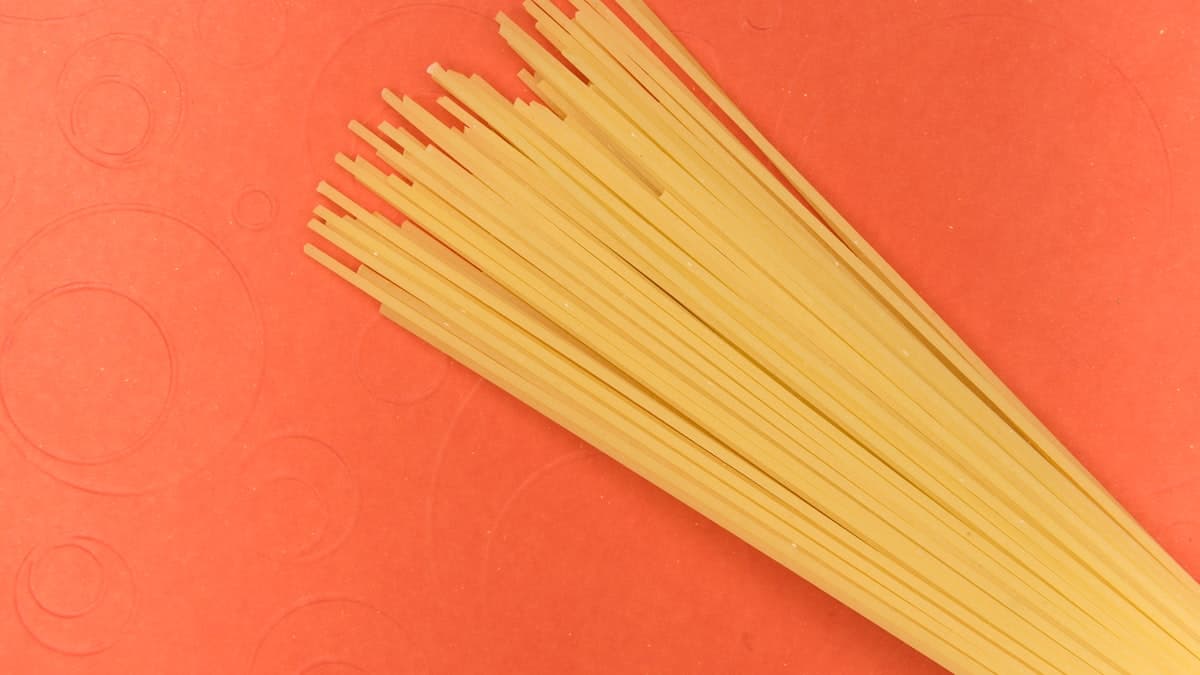
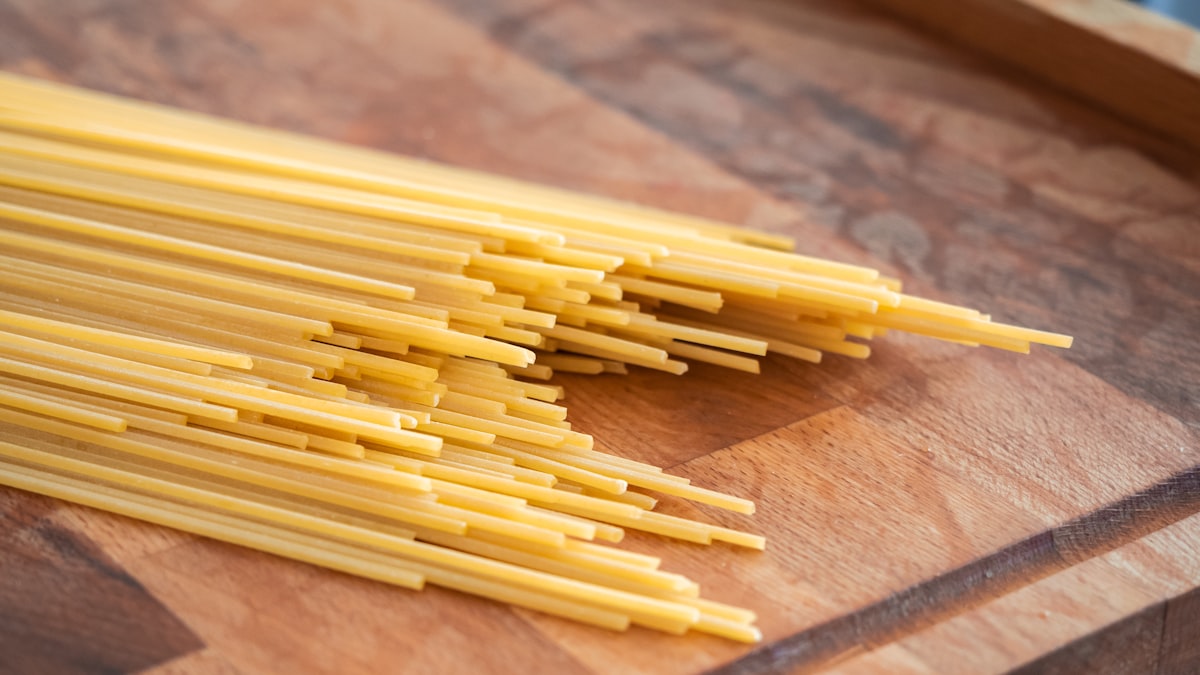
Pasta (spaghetti or spaghettini) is measured at 80–100 g of dry pasta per person. Spaghettini, with its thinner diameter of 1.4–1.6 mm, absorbs oil more evenly and produces a silkier result. Garlic runs to 2–3 cloves per serving, sliced thin so the flavor infuses into the oil without burning. Extra virgin olive oil is set at 35–45 ml per serving — roughly 3 to 3½ tablespoons — split into two additions: half for the infusion stage, half for the finishing emulsification.
Pasta cooking water — starchy from the pasta itself — is the dish's hidden ingredient; keep 60–80 ml aside per serving. Salt belongs only in the cooking water, at the widely recommended ratio of 10 g per litre, which Italian cooks describe as "saltier than you expect, lighter than the sea."
The Two-Stage Oil Addition — How Emulsification Works
What keeps aglio e olio from becoming a greasy tangle is emulsification. Oil and water are chemically immiscible, but starch molecules dissolved in pasta cooking water act as an emulsifier, gently binding the two liquids into a cohesive, glossy sauce.
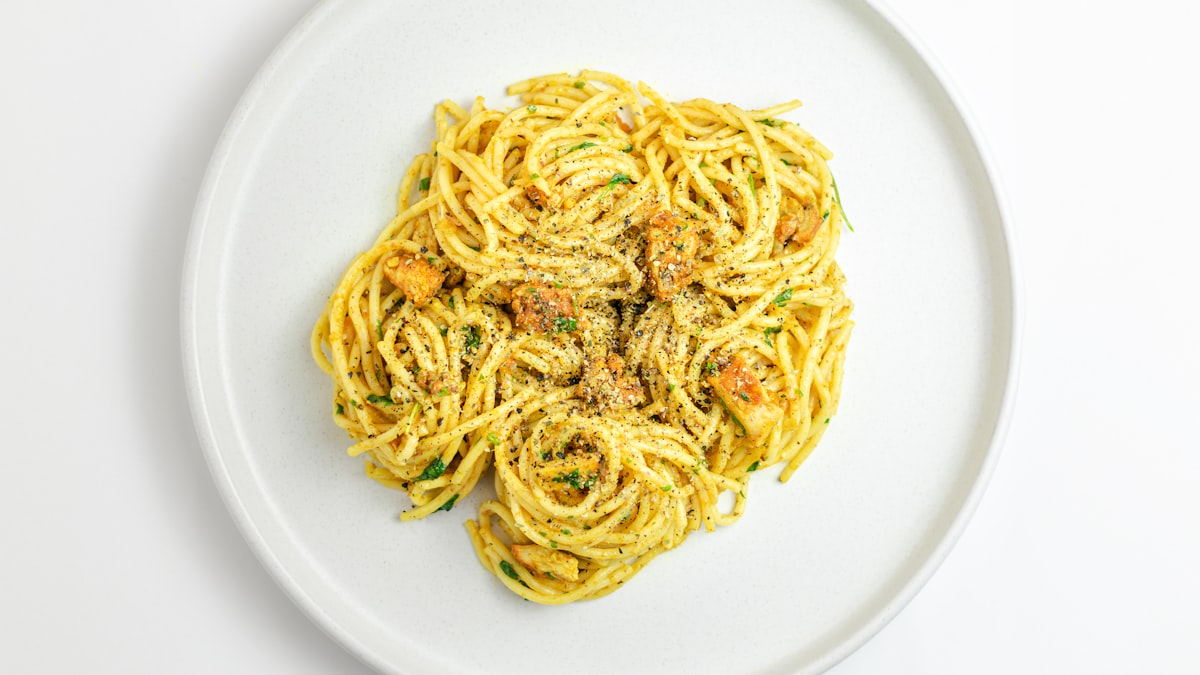
The process runs in this order. Pour half the oil (around 20 ml) into a wide pan over low heat, add the sliced garlic, and allow it to infuse for 2–3 minutes until golden. Keeping the heat low is essential: high heat produces bitter compounds — including acrylamide — when garlic burns. Transfer the al dente pasta to the pan, add approximately 50 ml of cooking water, and raise the heat to medium. As the liquid reduces and begins to coat the strands, remove the pan from the heat and pour the remaining oil (around 20 ml) in a slow circle from the rim inward. This final pour completes what Italian cooks call mantecatura — the finishing emulsification that gives the sauce its shine and creamy body.
A report from Rothamsted Research, the UK food-science institute, has noted that the oleic acid in extra virgin olive oil exhibits high molecular stability after heating, which is associated with maintaining emulsification structure during cooking. That characteristic is part of the scientific basis for the sauce's texture holding together.
How Cultivar Choice Shapes the Flavor
Choosing which EVOO to use is ultimately a matter of taste, but a few principles are clear. Because aglio e olio puts the oil directly in the spotlight, full-bodied, herbaceous oils have traditionally been preferred as a match for garlic's assertiveness.
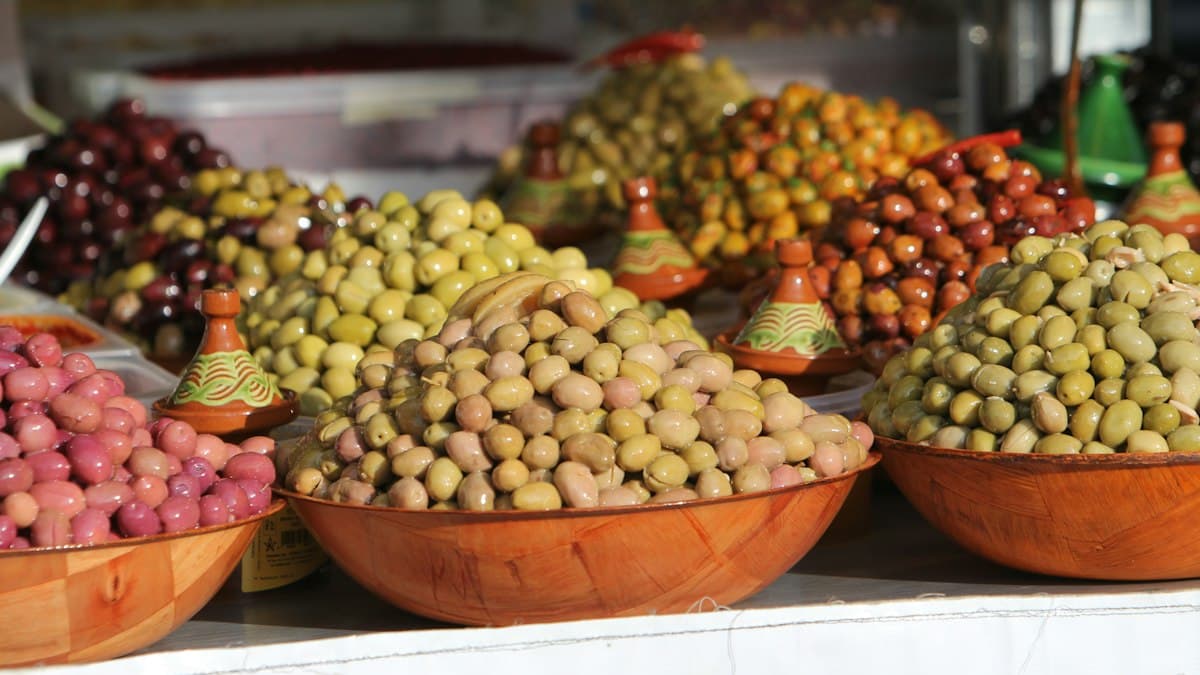
Picual brings a strong peppery finish and high polyphenol content, wrapping around garlic's pungency while asserting its own character — the right choice if you want a bold, confident dish. Ojiblanca, with its almond and green-apple nuances, softens and complements garlic rather than competing with it, making it a balanced entry point for cooks new to the recipe. A more delicate cultivar such as Sibarita suits lighter interpretations where garlic and chili are deliberately held back.
According to International Olive Council guidelines, EVOO used in cooked applications performs better — in terms of oxidative resistance at temperature — when acidity is at or below 0.3% and polyphenol content is high. The garlic infusion stage sits at roughly 100–120 °C, comfortably below EVOO's generally reported smoke point of 190–207 °C, so a quality extra virgin oil can be used here without meaningful flavor loss.
Variations — Expanding Without Abandoning the Original
The traditional recipe contains no cheese. Adding Parmigiano before emulsification is complete collapses the sauce structure and causes oil to separate out. Contemporary Italian cooking does accept a small grating of Pecorino over the finished plate — but only after the mantecatura is fully done. The sequence matters.
Chili flakes (peperoncino) are optional in the strict sense, but they are rarely absent from the Neapolitan original. Added with the garlic during the oil infusion, capsaicin dissolves evenly into the fat and delivers a gentle, uniform heat throughout the dish. Sprinkled on at the end instead, the effect becomes sharper and more localized. Fresh Italian parsley should go in off the heat, after the mantecatura, to preserve both its color and its bright, grassy aroma.
Aglio e olio is at once the simplest pasta and the most unsparing one. Good olive oil, fresh garlic, properly cooked pasta — when each of the three does its job, the dish delivers something that exceeds the sum of its parts.
Frequently asked questions
- How much olive oil do I need per serving of aglio e olio?
- The Accademia Italiana della Cucina guidelines put it at 35–45 ml (about 3 to 3½ tablespoons) per serving. Half goes into the pan at the infusion stage with the garlic; the other half is added off the heat during the final emulsification step called mantecatura.
- Why does aglio e olio need pasta cooking water?
- Pasta water contains dissolved starch molecules that act as a natural emulsifier, bridging oil and water so the sauce coats the noodles smoothly rather than pooling at the bottom. Roughly 60–80 ml per serving, added while the pasta is still in the pan, is the standard amount.
- Which olive oil cultivar works best for aglio e olio?
- It depends on the flavor profile you want. Picual, with its high polyphenol content and peppery finish, stands up boldly to garlic. Ojiblanca offers almond and apple notes that complement garlic more gently — a balanced choice for first-timers. More delicate cultivars such as Sibarita suit lighter versions of the recipe where garlic and chili are kept minimal.
- Can I add Parmesan to aglio e olio?
- Traditional Neapolitan recipes do not include cheese: adding Parmigiano before the emulsification is complete can break the sauce and cause the oil to separate. If you want cheese, finish the mantecatura fully first, then grate a small amount of Pecorino over the plated dish. That sequence preserves the sauce's texture.
- Is extra virgin olive oil safe to use for cooking aglio e olio at heat?
- Yes. The garlic infusion stage runs at roughly 100–120 °C, well below the generally reported smoke point of extra virgin olive oil (190–207 °C). According to International Olive Council guidelines, EVOO with acidity below 0.3% and higher polyphenol content shows stronger oxidative resistance at cooking temperatures, so a high-quality EVOO loses minimal flavor during this step.
Related reading
- Fried, Scrambled, Poached: Temperature Is Everything When You Cook Eggs in Olive Oil
The difference between a perfect fried egg and a rubbery one comes down to pan temperature — and the olive oil you choose. A practical guide to cooking all three egg styles with extra virgin olive oil, from heat management to finishing technique.
- Four Seasons, Four Pairings: A Year-Round Guide to EVOO and Seasonal Ingredients
Extra virgin olive oil reveals a different face in every season. From bitter spring greens to starchy winter root vegetables, this guide maps the year's best EVOO pairings course by course.
- Ciabatta, Sourdough, Focaccia: Matching Bread Character to Olive Oil Intensity
Ciabatta, sourdough, and focaccia each bring a distinct fermentation profile, crumb structure, and crust to the table. Matching olive oil intensity to bread character lets both ingredients amplify each other rather than compete.
- Guacamole, Tacos, and Olive Oil: A Pairing That Goes Back Centuries
From sixteenth-century Spanish missionaries to modern Latin kitchens in Mexico City, New York, and Los Angeles, extra virgin olive oil has long had a place at the Mexican table. This guide traces the history and explores how chefs are using it today.
- Butter Country No More: How Scandinavia Learned to Cook with Olive Oil
Olive oil is reshaping Nordic kitchens — from Copenhagen's Michelin-starred restaurants to Swedish home pantries. This guide traces how EVOO found its place alongside smoked fish, fermented rye, and root vegetables in one of the world's most distinctive food cultures.
- Pairing Olive Oil with Wine: A Guide to Matching Aromas, Bitterness, and Texture
Extra virgin olive oils differ markedly in acidity, bitterness, and fruitiness — and each profile calls for a different wine partner. This guide maps those sensory axes to white, red, and natural wines.
Tags
- pasta
- aglio e olio
- extra virgin olive oil
- cooking
- emulsification