Table
Fried, Scrambled, Poached: Temperature Is Everything When You Cook Eggs in Olive Oil
The difference between a perfect fried egg and a rubbery one comes down to pan temperature — and the olive oil you choose. A practical guide to cooking all three egg styles with extra virgin olive oil, from heat management to finishing technique.
Translated from the Korean edition, originally published August 7, 2026 · read the original
Why Olive Oil and Eggs Belong Together
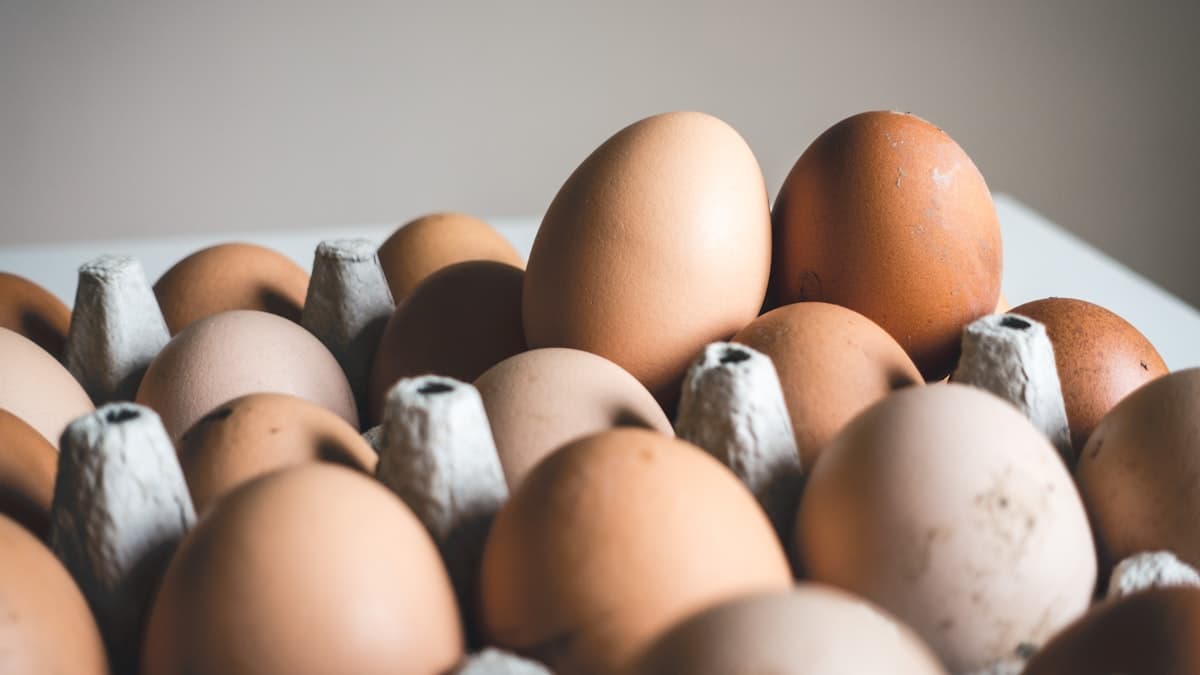
Eggs rank among the most consumed protein foods on the planet. According to data from the United Nations Food and Agriculture Organization (FAO), global egg production reached approximately 93 million tonnes in 2022. Everyday as the ingredient is, the fat you cook it in has a measurable effect on flavour and texture.
Extra virgin olive oil (EVOO) is widely regarded as an excellent choice for egg cookery. It is sometimes described as having a lower smoke point than butter, but high-quality EVOO has been reported to smoke at roughly 190–210°C — comfortably above the 150–180°C range typically used for frying eggs at home. According to the International Olive Council (IOC), EVOO with higher polyphenol content also shows greater oxidative stability, meaning heat-driven quality degradation proceeds more slowly.
The fruity aroma and gentle bitterness of olive oil create a counterpoint to the richness of eggs, adding depth that neutral fats cannot. In Andalusia, in southern Spain, the tradition of huevos fritos — eggs fried in a generous pour of EVOO until the edges blister and curl — reflects how central this pairing is to Mediterranean food culture.
Fried Eggs — Temperature Is the Whole Story
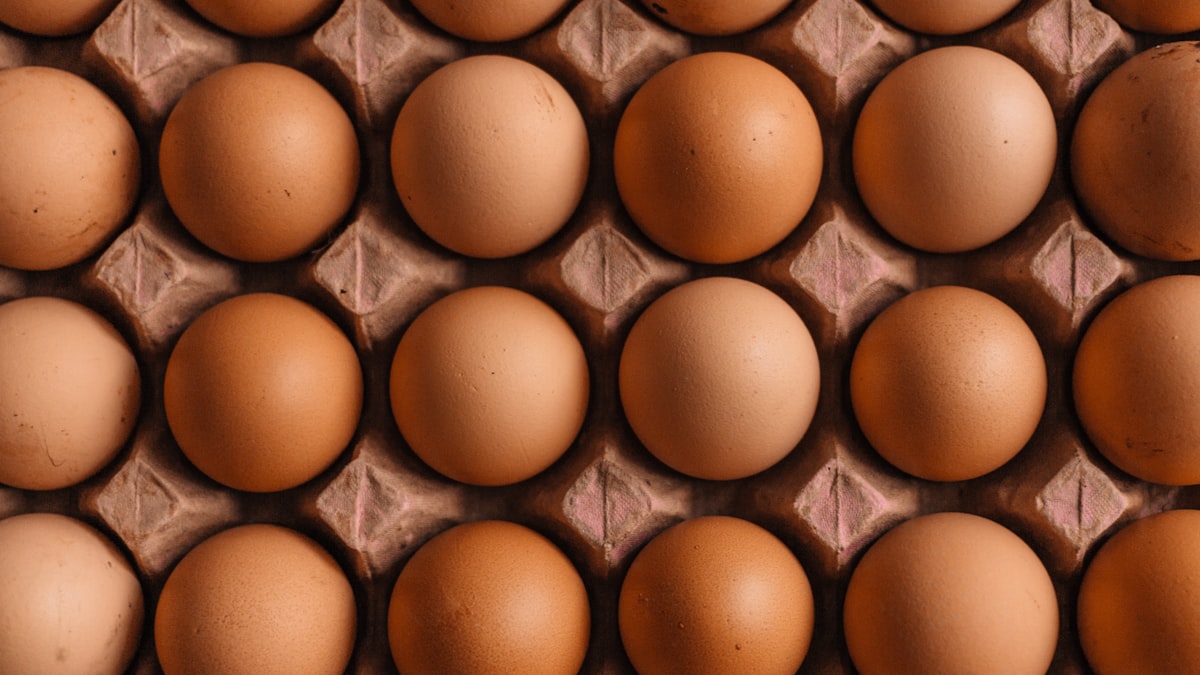
A fried egg looks simple, but heat control determines everything. Starting with a preheated pan before adding oil produces a fundamentally different result from placing oil in a cold pan and warming them together.
The most common mistake is an overly hot pan. Egg whites begin to set at around 60°C; yolks start to change in consistency between 65 and 70°C. When the pan surface exceeds 200°C, the edges of the white scorch and turn rubbery while the yolk remains raw — an imbalance that is difficult to recover from.
The Mediterranean approach starts at medium-low heat. Pour EVOO into the pan, warm it over medium heat until the oil just begins to ripple — around 150–160°C — then crack the egg in and reduce to low immediately. From there, use a spoon to baste the white with the hot oil, ladling it repeatedly over the surface. This technique cooks the white through without flipping, keeping the yolk soft and runny. The olive oil glazes the surface of the egg as it cooks, so the first bite carries both the grassiness of the oil and the savouriness of the egg at once.
Scrambled Eggs — Low Heat, Slow Hand, Constant Motion
With scrambled eggs, olive oil plays two distinct roles: as the cooking fat in the pan, and as a finishing oil added off the heat.
As a cooking fat, the priority is staying in a low-temperature range. The ideal zone for scrambled eggs is around 70–80°C. Exceed it and the egg proteins over-coagulate, producing a dry, tight texture with moisture squeezed out. Warm the EVOO in the pan over low heat, pour in the beaten eggs, and move them slowly with a spatula in wide, relaxed strokes. Many professional cooks recommend lifting the pan on and off the burner to keep the temperature from climbing — a technique that gives a finer degree of control than adjusting the flame alone.
At the finishing stage, remove the pan from the heat and stir in approximately 5–7 ml of good-quality EVOO. Added without further cooking, it produces a creamy texture and delivers the oil's fresh aroma directly. Because the oil is not heated at this point, heat-sensitive compounds are preserved more fully. Research published by Spain's National Research Council (CSIC) has reported that unheated EVOO retains higher levels of specific compounds such as oleocanthal compared with oil that has gone through cooking.
Poached Eggs — A Different Role for Olive Oil
Poached eggs are cooked in water rather than fat, so EVOO does not function as the cooking medium here. Its importance shifts entirely to the finishing and serving stage.
The water temperature for poaching should be held at 90–95°C — a gentle, lazy simmer. At a full rolling boil of 100°C, the whites tend to break apart and scatter. Adding a small amount of vinegar to the water is a well-established way to help the proteins set more quickly around the yolk.
Once the egg is lifted from the water and placed on the plate, a thin thread of high-quality EVOO drizzled around it elevates the dish considerably. The grassy, slightly peppery finish of the oil sets up a contrast with the mild white and liquid yolk. Across café tables along the Mediterranean coast, a drizzle of EVOO and a pinch of fleur de sel over a poached egg is a common and considered finish — a small detail that makes a clear difference.
The Oil You Choose Changes the Result
Even within the EVOO category, cultivar, acidity, and polyphenol content influence how a finished dish tastes. Picual has a pronounced grassy character and firm bitterness; when used for frying, some of that intensity dissipates with heat, and the flavour tends to settle into something more balanced. Ojiblanca, with its delicate fruit notes and softer finish, shows better in unheated applications — stirred into scrambled eggs off the heat, or drizzled over a poached egg — where nothing stands between the oil's aroma and the palate.
Acidity is connected to cooking stability. A lower acidity level means fewer free fatty acids, which is associated with a higher smoke point and less tendency to smoke during cooking. Sibarita, an oil with an acidity as low as 0.14%, is regarded as particularly dependable for medium-heat cooking.
For anyone just beginning to explore olive oil through egg cookery, the easiest entry point is the scrambled egg finish: a small drizzle of raw EVOO stirred in at the very end. Tasting the oil unheated is the most direct way to understand how cultivars differ from one another. Once that instinct is developed, the step up to frying and basting makes the relationship between heat and oil immediately legible.
Frequently asked questions
- Can you fry eggs in extra virgin olive oil without burning them?
- Yes. High-quality extra virgin olive oil has a reported smoke point of roughly 190–210°C, which is well above the 150–180°C range used for most home frying. The key is preheating the pan to around 150–160°C — where the oil just begins to shimmer — before adding the egg, then reducing to low heat immediately.
- What temperature should scrambled eggs be cooked at?
- The ideal range for scrambled eggs is 70–80°C. Above that, egg proteins over-coagulate and the texture becomes dry and rubbery. Cooking over low heat and moving the pan on and off the burner gives you the most control.
- Does olive oil lose its polyphenols when you cook with it?
- Heat does affect heat-sensitive compounds. Research by Spain's National Research Council (CSIC) has reported that unheated extra virgin olive oil retains higher levels of specific compounds such as oleocanthal compared with oil that has been cooked. Adding a small drizzle of EVOO after the heat is off — as a finishing oil — is one way to preserve more of those characteristics.
- Which olive oil cultivar is best for cooking eggs?
- It depends on the method. Picual, with its assertive grassy notes and firm bitterness, tends to mellow into a balanced flavour when used for frying. Ojiblanca, which has a more delicate fruit character and a softer finish, shows to better advantage as a finishing drizzle on scrambled eggs or poached eggs, where it is not exposed to heat.
- How do you poach an egg properly, and where does olive oil come in?
- Poached eggs are cooked in water held at 90–95°C — a gentle simmer rather than a rolling boil. At 100°C the whites tend to scatter. A splash of vinegar helps the whites set. Olive oil's role here is as a finishing drizzle: a thread of high-quality EVOO over the plated egg adds a peppery, grassy contrast to the mild whites and runny yolk.
Related reading
- Aglio e Olio: The Ratios That Make or Break an Olive Oil Pasta
Born in Neapolitan home kitchens, aglio e olio asks only three ingredients of its cook — but the quality and exact proportions of each one determine everything. A deep look at the golden ratios, the emulsification science, and which cultivar to reach for.
- Four Seasons, Four Pairings: A Year-Round Guide to EVOO and Seasonal Ingredients
Extra virgin olive oil reveals a different face in every season. From bitter spring greens to starchy winter root vegetables, this guide maps the year's best EVOO pairings course by course.
- Ciabatta, Sourdough, Focaccia: Matching Bread Character to Olive Oil Intensity
Ciabatta, sourdough, and focaccia each bring a distinct fermentation profile, crumb structure, and crust to the table. Matching olive oil intensity to bread character lets both ingredients amplify each other rather than compete.
- Guacamole, Tacos, and Olive Oil: A Pairing That Goes Back Centuries
From sixteenth-century Spanish missionaries to modern Latin kitchens in Mexico City, New York, and Los Angeles, extra virgin olive oil has long had a place at the Mexican table. This guide traces the history and explores how chefs are using it today.
- Butter Country No More: How Scandinavia Learned to Cook with Olive Oil
Olive oil is reshaping Nordic kitchens — from Copenhagen's Michelin-starred restaurants to Swedish home pantries. This guide traces how EVOO found its place alongside smoked fish, fermented rye, and root vegetables in one of the world's most distinctive food cultures.
- Pairing Olive Oil with Wine: A Guide to Matching Aromas, Bitterness, and Texture
Extra virgin olive oils differ markedly in acidity, bitterness, and fruitiness — and each profile calls for a different wine partner. This guide maps those sensory axes to white, red, and natural wines.
Tags
- cooking
- eggs
- extra virgin olive oil
- temperature
- mediterranean kitchen