Table
Four Seasons, Four Pairings: A Year-Round Guide to EVOO and Seasonal Ingredients
Extra virgin olive oil reveals a different face in every season. From bitter spring greens to starchy winter root vegetables, this guide maps the year's best EVOO pairings course by course.
Translated from the Korean edition, originally published July 9, 2026 · read the original
Reading Olive Oil Through the Language of the Season
Extra virgin olive oil holds a central place in Mediterranean food culture for reasons that go beyond flavour alone. The guiding principle of that culinary tradition is straightforward: eat what the land offers right now, alongside the freshest oil available. EVOO's flavour spectrum — shaped by acidity, polyphenol content, cultivar, and pressing method — shifts noticeably from bottle to bottle, and matching that spectrum to the character of seasonal produce is one of the most reliable ways to raise the quality of a meal.
According to the International Olive Council (IOC), freshly pressed EVOO carries complex aromatic notes ranging from fresh grass and green herbs to ripe fruit and spice, and aligning those notes with the nature of the ingredient is considered best practice. The rhythm of seasonal produce — with its distinct textures, sugar levels, and aromatic compounds — gives that principle somewhere to land.
Spring: When Bitterness Meets Bitterness
Spring is the season of bitterness. Young aralia shoots, watercress, shepherd's purse, wild garlic, and other early greens arrive with pronounced bitter edges and assertive herbal aromas. The EVOO that serves them best is an equally assertive one — high in polyphenols, with a bitter and peppery finish that holds its ground.
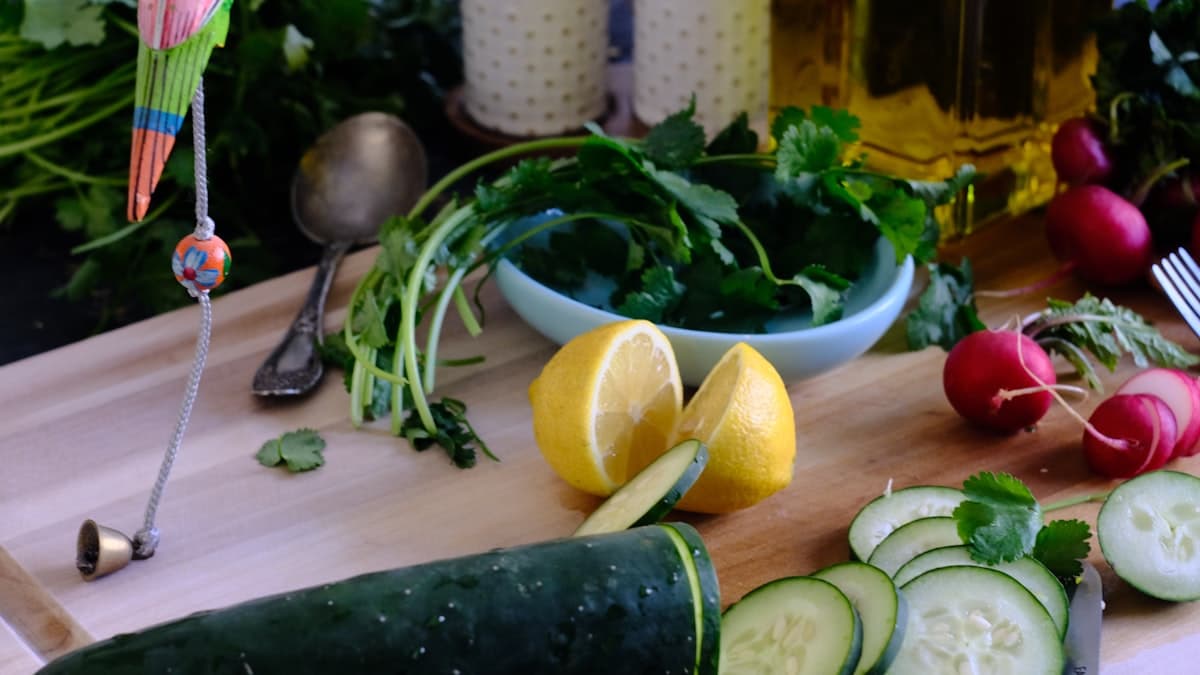
High-polyphenol oils such as those pressed from Picual olives are well suited to bitter-leaning vegetables: rather than suppressing each other, the two bitternesses amplify one another into something more layered. Blanched aralia shoots, dressed with good-quality EVOO and a pinch of coarse salt, need nothing else to read as a composed Mediterranean-style starter. Shepherd's purse, beyond its traditional pairings, becomes a lively spring salad when thinly sliced radishes, EVOO, and lemon juice are combined.
The key principle for spring pairings is minimal heat. The volatile aromatic compounds that give spring greens their character are fragile, so a light blanch — or no cooking at all — followed by EVOO applied as a finish, preserves both the ingredient's fragrance and the oil's own profile far better than longer cooking would.
Summer: Low Acidity, Maximum Freshness
Summer belongs to high-moisture, brightly fragrant produce: tomatoes, courgettes, aubergines, cucumbers, watermelon, and peaches. The EVOO that serves this season best is low in acidity, generous with fruit-forward aromas, and smooth in texture. A buttery, almond-inflected style will accompany summer vegetables without cutting through their freshness the way a more aggressive oil might.
Grilled aubergine and courgette finished with room-temperature EVOO is a standard technique across the Mediterranean. The caramelisation that builds during grilling raises the vegetables' sugar levels, and the oil's gentle fatty acids coat and extend that sweetness on the palate. The tomato pairing needs little argument: Italian culinary professionals frequently cite the bruschetta approach — ripe tomatoes, coarse salt, and fresh EVOO, nothing more — as one of the most direct ways to let a tomato taste fully like itself.
Summer fruit pairings are worth exploring too. Watermelon with feta, EVOO, and fresh mint is a familiar Mediterranean summer salad. Halved peaches grilled and finished with EVOO and a splash of balsamic vinegar function equally well as a light dessert.
Autumn: Mushrooms, Nuts, and the Earthy End of the Year
Autumn is the season in which EVOO plays its richest role. Mushrooms — shiitake, pine, oyster, king oyster — carry deep umami and an earthy, forest-floor quality that makes a striking contrast with the herbal brightness of a good olive oil. In the Andalusian region of Spain, there is a longstanding tradition of dressing freshly harvested autumn mushroom tapas directly with the season's new oil.
EVOOs with almond and apple characteristics — Ojiblanca is a cultivar often associated with this profile — are reported to pair well with the savoury richness of mushrooms. Using EVOO in place of butter when pan-roasting mushrooms also reduces saturated fat intake, a practical consideration worth noting. Finishing the cooked mushrooms with a second drizzle of fresh, unheated EVOO layers the char from the pan against the oil's own lively flavour.
Autumn nuts deserve equal attention. Roasted chestnuts mashed with EVOO and rosemary make a spread for bread that is both simple and substantial. A report from the European Food Safety Authority (EFSA) notes that the oleic acid present in EVOO, when consumed alongside the unsaturated fatty acids found in nuts, may contribute to a balanced dietary fat intake — though it is too early to draw firm conclusions about specific health outcomes from any single food combination.
Winter: Root Vegetables, Long Roasting, and a Bold Oil
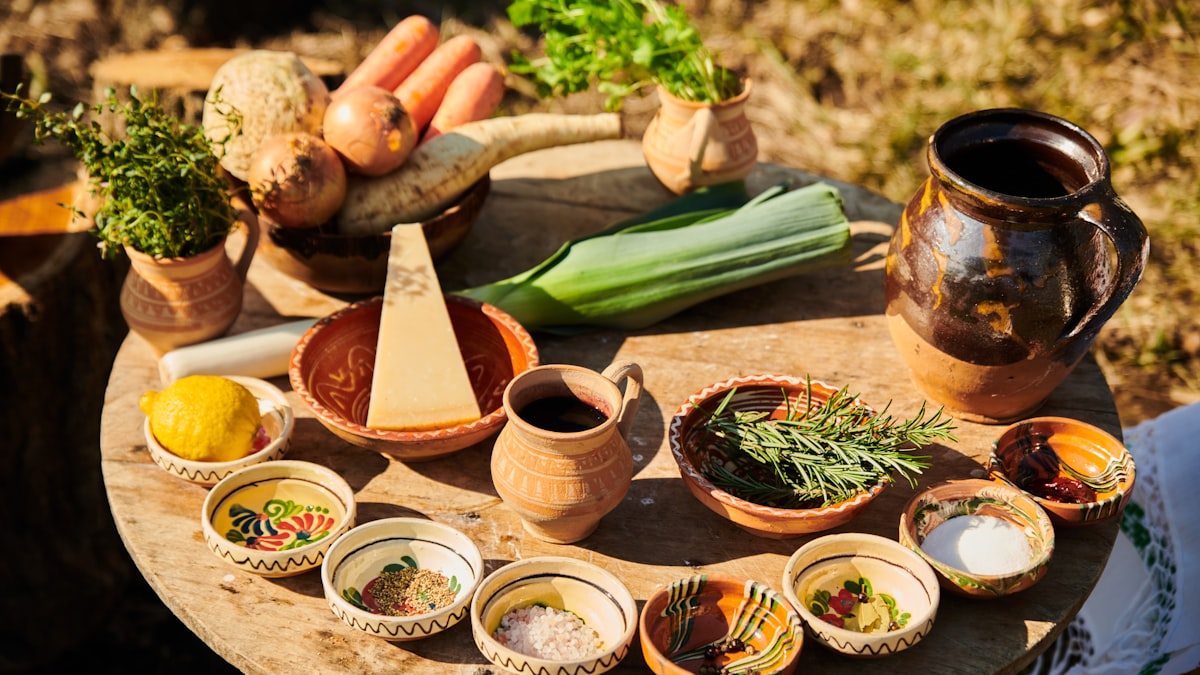
Winter centres on dense, starch-rich roots: turnips, carrots, burdock, lotus root, and kohlrabi. Long cooking draws out their natural sugars, and pairing them with a spicier, more intensely bitter EVOO creates a productive contrast — the oil's assertiveness pushing back against the vegetable's sweetness to produce a more complex result.
Whole roasted carrots with cumin, coriander, and EVOO appear regularly in Middle Eastern winter cooking for exactly this reason. Lotus root, sliced thin and cooked slowly in EVOO at a low temperature in the confit style, develops a tender, nutty texture that richer cooking fats tend to obscure rather than highlight.
Early-harvest oils — pressed from olives picked in late autumn before full ripeness — tend toward higher polyphenol levels and more pronounced flavour. Producers typically release these new-season oils around December. Using a fresh early-harvest EVOO on winter root dishes is one of the most direct ways to enjoy both a seasonal ingredient and a seasonal oil at their respective peaks.
The Oil Changes With Every Season
EVOO is not a fixed ingredient. Cultivar, harvest timing, and pressing method all shift the balance of green-herb and ripe-fruit notes, of bitterness and peppery heat. Connecting that shifting spectrum to the rhythm of the seasons — rather than reaching for the same bottle year-round — is what moves EVOO from a cooking medium into something closer to a seasoning that completes a dish's sense of time and place.
Choosing an olive oil with the same attention given to choosing a seasonal ingredient is where four-season pairing begins.
Frequently asked questions
- Which EVOO style works best with bitter spring greens?
- High-polyphenol oils with a pronounced bitter finish — such as those made from Picual olives — are generally recommended for bitter spring vegetables like young aralia shoots or watercress. The shared bitterness amplifies rather than cancels each other, producing a more complex flavour.
- Can you pair extra virgin olive oil with summer fruit?
- Yes. A low-acidity, fruit-forward EVOO with a buttery or almond-like character complements high-moisture summer fruits without overpowering them. A classic example is a watermelon and feta salad finished with EVOO and fresh mint, common in Mediterranean summer cooking.
- What type of olive oil pairs best with autumn mushrooms?
- Oils with herbal and almond notes — such as those made from the Ojiblanca cultivar — are reported to complement the earthy umami of varieties like shiitake or porcini. Finishing roasted mushrooms with a drizzle of fresh EVOO, rather than using it solely as a cooking fat, layers the smoky and oily flavours distinctly.
- Why are early-harvest olive oils recommended for winter root vegetables?
- Early-harvest oils, pressed in late autumn, tend to carry higher polyphenol levels and more intense flavour. According to olive oil producers, this assertiveness creates a contrast with the natural sweetness that develops in root vegetables — such as carrots or lotus root — during long roasting, adding depth to otherwise straightforward dishes.
- Does it matter whether you use EVOO as a cooking fat or a finishing drizzle?
- The role makes a meaningful difference. Volatile aromatic compounds in fresh seasonal produce — spring herbs in particular — are heat-sensitive, so applying EVOO after cooking rather than during is widely recommended to preserve both the ingredient's fragrance and the oil's own flavour profile.
Related reading
- The Mediterranean Art of Oil Poaching Fish: Ratios, Temperatures, and Cultivar Pairings
Oil poaching — gently cooking fish submerged in olive oil at low heat — is a cornerstone technique of Mediterranean kitchens. This guide covers everything from choosing the right EVOO to precise temperature ranges and the oil ratios that make the difference.
- Egg Salad Without Mayonnaise: A Ratio Guide to EVOO Dressing
An extra virgin olive oil base can replace mayonnaise in egg salad entirely — yielding a cleaner, brighter flavor with a lighter texture. This guide covers the core oil-to-acid ratio, cultivar-by-cultivar flavor differences, and practical tips for texture and storage.
- Hard, Soft, and Blue: A Cheese-by-Cheese Guide to Olive Oil Pairings
From Parmigiano Reggiano to feta to Gorgonzola, the right olive oil cultivar changes entirely depending on a cheese's texture, moisture content, and depth of aging. A pairing guide organized by cheese category.
- Ciabatta, Sourdough, Focaccia: Matching Bread Character to Olive Oil Intensity
Ciabatta, sourdough, and focaccia each bring a distinct fermentation profile, crumb structure, and crust to the table. Matching olive oil intensity to bread character lets both ingredients amplify each other rather than compete.
- Guacamole, Tacos, and Olive Oil: A Pairing That Goes Back Centuries
From sixteenth-century Spanish missionaries to modern Latin kitchens in Mexico City, New York, and Los Angeles, extra virgin olive oil has long had a place at the Mexican table. This guide traces the history and explores how chefs are using it today.
- Butter Country No More: How Scandinavia Learned to Cook with Olive Oil
Olive oil is reshaping Nordic kitchens — from Copenhagen's Michelin-starred restaurants to Swedish home pantries. This guide traces how EVOO found its place alongside smoked fish, fermented rye, and root vegetables in one of the world's most distinctive food cultures.
Tags