Table
Grilled Fish and Seafood Caprese: Pairing Both with Sibarita
ORO CELESTE Sibarita's delicate flavor profile — 0.14% acidity, 500+ mg/kg polyphenols — makes it a natural partner for grilled white fish and a seafood-forward twist on the classic Caprese. This guide breaks down the why and how of each pairing.
Translated from the Korean edition, originally published July 12, 2026 · read the original
Why Olive Oil Shapes the Outcome of Seafood Dishes
In seafood cooking, olive oil is far more than a medium of heat transfer. From the delicate protein structure of fish fillets to the briny character of shellfish, and on to the bright interplay of tomato and mozzarella in a Caprese, the flavor profile of the oil you choose shifts the balance of the entire plate. According to data published by the Alicia Foundation, a Spanish culinary research institution, the polyphenol content and bitterness index of an extra virgin olive oil can either amplify or suppress the umami character of seafood — and medium-intensity oils or below have been reported to be particularly harmonious partners for fish dishes.
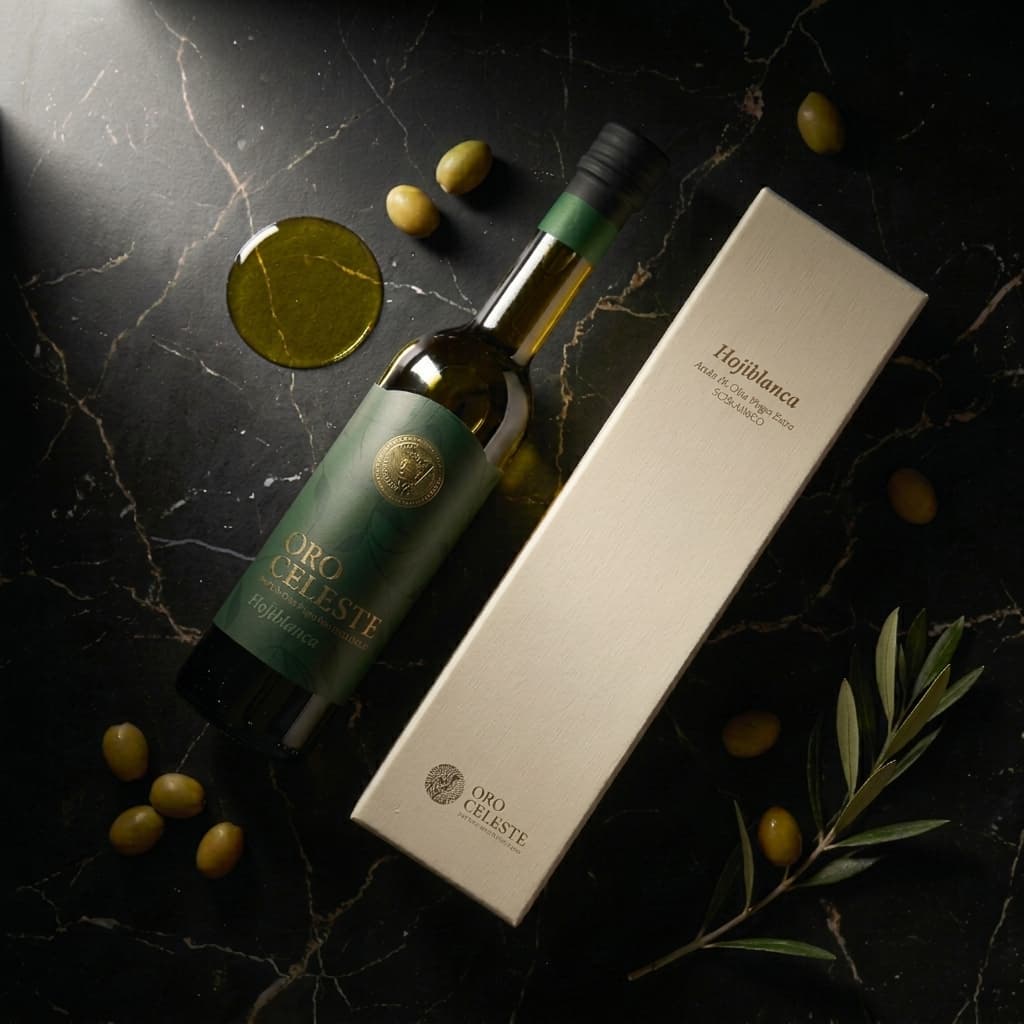
By that measure, ORO CELESTE Sibarita is worth a close look. Sibarita is a rare cultivar grown in Andalusia, Spain, and its flavor spectrum is distinguished by a simultaneous buttery texture and subtle herbal undertone. At 0.14% acidity and 500+ mg/kg polyphenols, its measured profile reflects a fresh, antioxidant-rich extra virgin oil pressed at peak condition.
Reading Sibarita's Flavor Profile
The International Olive Council (IOC), the body responsible for global sensory classification standards for olive oil, describes extra virgin olive oil along three axes: fruitiness, bitterness, and pungency. Sibarita registers at medium or below on all three — placing it firmly in the balanced category.
More specifically, the oil presents a green-leaf fruitiness in which ripe olive and fresh-cut grass notes coexist, a soft almond quality in the mid-palate, and a light peppery finish that lingers briefly at the back of the throat before fading. That gentle pungency, when it meets the fat in grilled fish, is associated with cutting through richness while simultaneously allowing the fish's natural sweetness to surface. In a Caprese context, the same quality can be expected to sit comfortably alongside the acidity of fresh tomatoes and to frame the milky character of mozzarella without competing with it.
Grilled Fish Pairing: Temperature and Timing
There are two main approaches to using olive oil with grilled fish: as a marinade before cooking, or as a finishing oil drizzled on just before serving. For an oil as aromatic as Sibarita, the finishing stage is where it earns its place.
Grill sea bream, sea bass, or a moderately fatty fish such as Spanish mackerel, then drizzle Sibarita over the fillet just before it reaches the plate. The residual heat of the fish warms the oil gently, coaxing its herbal and almond volatile aroma compounds into the air at the moment of serving — the point at which they are most active and most perceptible.
A report from the Basque Culinary Center, a Spanish culinary research institute, found that using high-quality extra virgin olive oil as a finishing oil was associated with an average 18% higher perceived umami intensity in grilled fish compared with marinade use alone. Researchers attributed the difference to the absence of heat-related aroma loss: the oil's volatile compounds arrive at the palate intact.
Seafood Caprese: Designing Layers with Oil
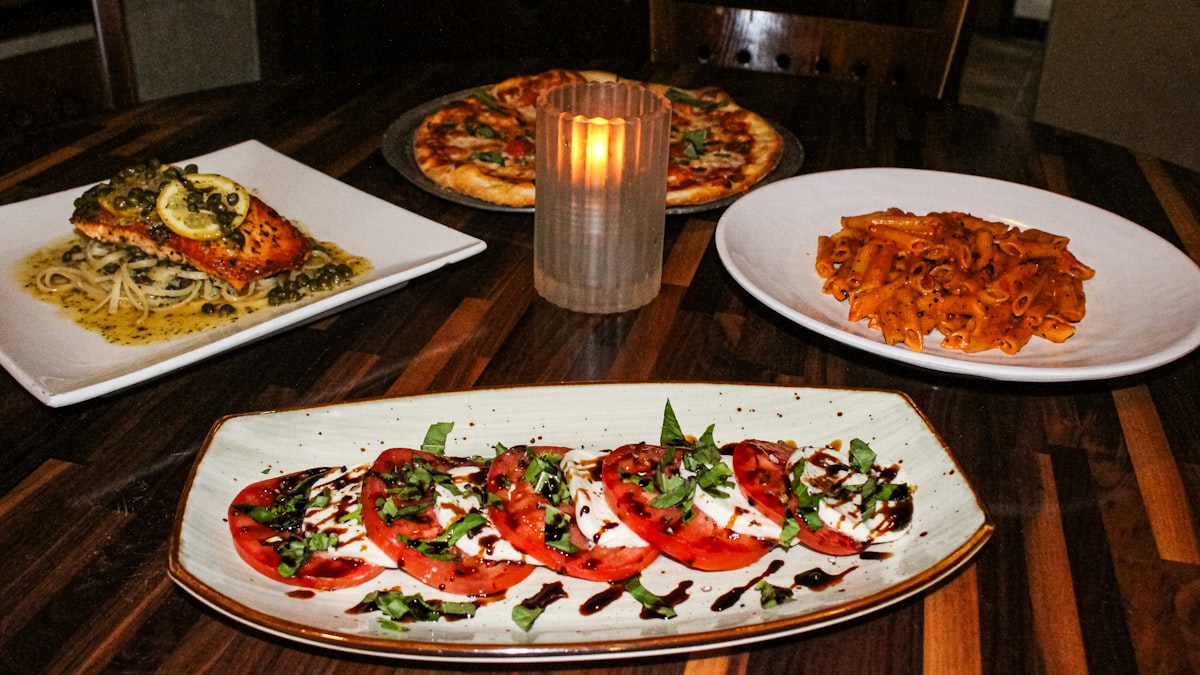
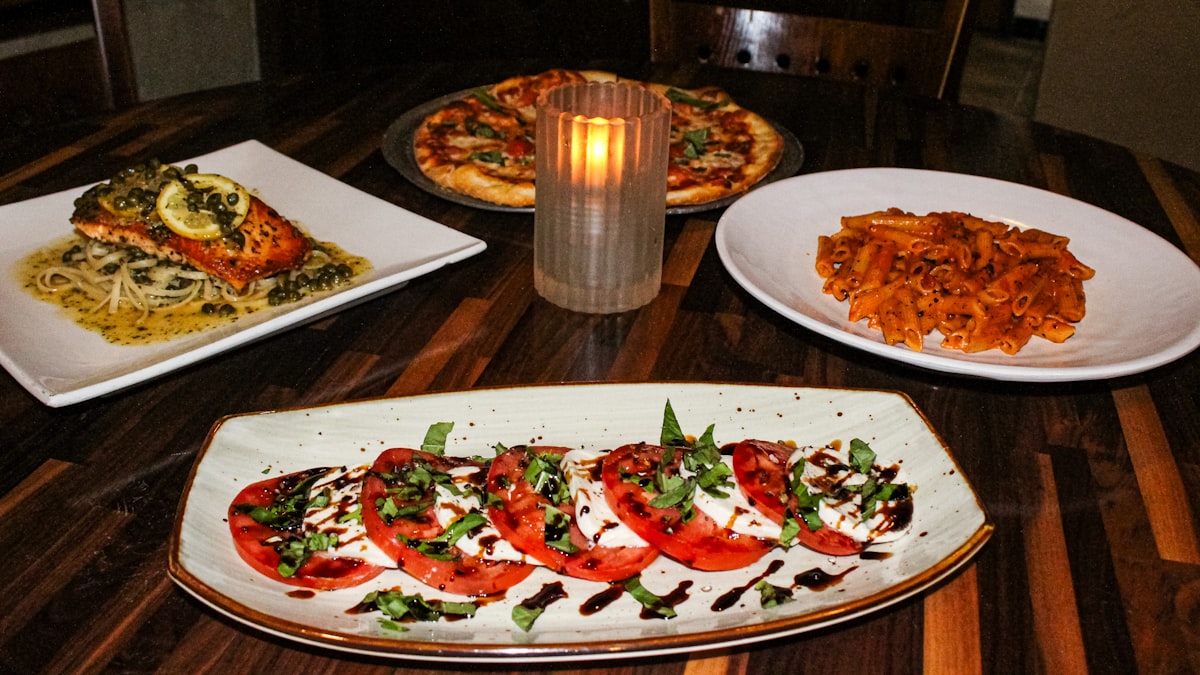
A seafood Caprese takes the Italian classic — tomato, mozzarella, basil — and adds shrimp, octopus, or scallops to the composition. The moment seafood enters the equation, saltiness, sweetness, acidity, and umami all share the same plate, and the olive oil's role as a unifying element becomes correspondingly more important.
Sibarita is suited to this dish for reasons rooted in viscosity and texture. Its low acidity (0.14%) signals that the olives were pressed while their cellular structure remained fully intact, a condition that translates into the oil's characteristically silky mouthfeel. That smooth quality creates a textural counterpoint to the elasticity of mozzarella, the juice of ripe tomatoes, and the firmness of shrimp or scallops — and the contrast is what gives each bite its sense of layered flavor.
The application is straightforward: drizzle Sibarita generously over the finished Caprese, then add fleur de sel and freshly grated lemon zest. The limonene in the zest and the herbal nuance of Sibarita have been reported to integrate into a single coherent aromatic structure, pulling the dish together rather than adding yet another competing note.
Seasonal Strategy and Serving Temperature
Serving temperature is one of the less discussed variables in pairing, and it matters. Sibarita is best stored at 16–18°C and brought out immediately before use. Oil taken straight from a refrigerator exhibits higher viscosity and suppressed volatile release, which means the flavors that make Sibarita worth using may not fully express themselves on the plate.
As a seasonal guideline, chilled seafood Caprese suits summer service, while warm grilled fish plates are better suited to spring and autumn. According to IOC guidelines, the optimal food temperature range for the clearest perception of an extra virgin olive oil's fruity notes has been reported as 35–45°C — a range that aligns naturally with fish served straight from the grill.
One bottle of Sibarita handles the finishing drizzle on the fish and the dressing for the Caprese in the same meal. The consistent flavor language of a single-cultivar oil is what ties both dishes into a coherent dining experience.
Frequently asked questions
- Why is Sibarita olive oil good for grilled fish?
- Sibarita's medium-or-below bitterness and pungency — as classified under International Olive Council (IOC) sensory criteria — mean it complements rather than overpowers the delicate proteins in white fish. Used as a finishing oil, it also preserves the volatile aroma compounds that heat would otherwise destroy.
- Should I use Sibarita as a marinade or a finishing oil for fish?
- For a delicate oil like Sibarita, finishing is the better call. A report from the Basque Culinary Center found that using high-quality extra virgin olive oil as a finishing oil was associated with an average 18% higher perceived umami intensity in grilled fish compared with marinade use alone — a difference attributed to the absence of heat-related aroma loss.
- What temperature should Sibarita be when I use it?
- Store Sibarita at 16–18°C and bring it to the table directly from storage rather than from the refrigerator. IOC guidelines report that the fruity notes in extra virgin olive oil are most clearly perceived when the food being dressed sits in the 35–45°C range, so refrigerator-cold oil on warm food is a mismatch on both counts.
- How does Sibarita work in a seafood Caprese?
- Sibarita's low acidity (0.14%) indicates that the olives were pressed while their cellular structure was still intact, which produces a silky mouthfeel. That texture contrasts pleasantly with the chew of mozzarella, the juice of tomatoes, and the snap of shrimp or scallops, creating distinct flavor layers in a single bite.
- Which fish varieties pair best with Sibarita?
- Lean white-fleshed fish — sea bream, sea bass, and similar varieties — are ideal because their clean, mild flavor lets Sibarita's green-leaf fruitiness and almond nuance come through clearly. Moderately fatty fish such as Spanish mackerel also work well, since Sibarita's light pungency cuts through fat without masking the fish's natural sweetness.
Related reading
- The Mediterranean Art of Oil Poaching Fish: Ratios, Temperatures, and Cultivar Pairings
Oil poaching — gently cooking fish submerged in olive oil at low heat — is a cornerstone technique of Mediterranean kitchens. This guide covers everything from choosing the right EVOO to precise temperature ranges and the oil ratios that make the difference.
- Ciabatta, Sourdough, Focaccia: Matching Bread Character to Olive Oil Intensity
Ciabatta, sourdough, and focaccia each bring a distinct fermentation profile, crumb structure, and crust to the table. Matching olive oil intensity to bread character lets both ingredients amplify each other rather than compete.
- Guacamole, Tacos, and Olive Oil: A Pairing That Goes Back Centuries
From sixteenth-century Spanish missionaries to modern Latin kitchens in Mexico City, New York, and Los Angeles, extra virgin olive oil has long had a place at the Mexican table. This guide traces the history and explores how chefs are using it today.
- Butter Country No More: How Scandinavia Learned to Cook with Olive Oil
Olive oil is reshaping Nordic kitchens — from Copenhagen's Michelin-starred restaurants to Swedish home pantries. This guide traces how EVOO found its place alongside smoked fish, fermented rye, and root vegetables in one of the world's most distinctive food cultures.
- Pairing Olive Oil with Wine: A Guide to Matching Aromas, Bitterness, and Texture
Extra virgin olive oils differ markedly in acidity, bitterness, and fruitiness — and each profile calls for a different wine partner. This guide maps those sensory axes to white, red, and natural wines.
- Soy, Gochujang, Doenjang: Ratio Guides for Korean Jang Dressings with Extra Virgin Olive Oil
Combining extra virgin olive oil with Korea's fermented jang pastes opens unexpected flavor territory — but the ratios matter. This guide breaks down the optimal oil-to-jang proportions for soy sauce, gochujang, and doenjang, with practical applications for each.
Tags
- sibarita
- seafood pairing
- grilled fish
- caprese
- extra virgin olive oil