Table
Bitter Meets Sweet: Pairing Extra Virgin Olive Oil with Desserts
A drizzle of EVOO on bingsu, ice cream, or chocolate cake is no accident — the cultivar's bitterness and grassy notes create a layered contrast that makes sweetness more vivid. Here is how the trend works and which varieties to reach for.
Translated from the Korean edition, originally published July 16, 2026 · read the original
Why Bitterness "Wakes Up" Sweetness
The idea of finishing a dessert with olive oil can sound counterintuitive, yet it is a pairing with deep culinary roots. In Tuscany, freshly pressed EVOO has long been drizzled over panna cotta and ricotta cake. In Andalusia, pan con aceite — bread with olive oil and honey — is an everyday sweet treat.
From a sensory-science perspective, bitter flavors experienced immediately after sweetness are reported to extend the sweet aftertaste and add depth, a phenomenon researchers call contrast enhancement. Multiple studies in food sensory science note that this principle follows the same logic as salt amplifying caramel. Extra virgin olive oil (EVOO), because it is cold-pressed without refining, retains high polyphenol levels — and it is precisely that bitterness and pepperiness that become assets in dessert pairing.

The Olive Oil Wave Reaching Dessert Cafés
The trend has been gathering momentum beyond Europe. Premium bingsu cafés and patisseries in Seoul and Busan have begun adding EVOO drizzles to their menus with increasing regularity. According to the Korea Agro-Fisheries & Food Trade Corporation (aT) 2024 Food and Foodservice Industry Trend Report, South Korea's premium dessert market has grown at an average annual rate of more than 12% over the past three years, with consumers showing strong interest in unusual ingredient combinations and layered flavour profiles.
Bingsu and EVOO pair particularly well when the dessert already carries its own bitterness — matcha bingsu being the clearest example. The astringent umami of matcha, combined with the grassy notes of a well-chosen EVOO, builds a multi-layered aromatic structure. For red-bean bingsu, whose warm, nutty sweetness lingers, chefs interviewed across multiple publications consistently recommend a mid-to-high-polyphenol variety with grassy or herbal character over a low-polyphenol oil with bright fruit notes.
A Cultivar-by-Cultivar Dessert Pairing Guide
Flavour profiles differ substantially between olive cultivars, and in dessert plating those differences can determine whether the pairing elevates or distracts.
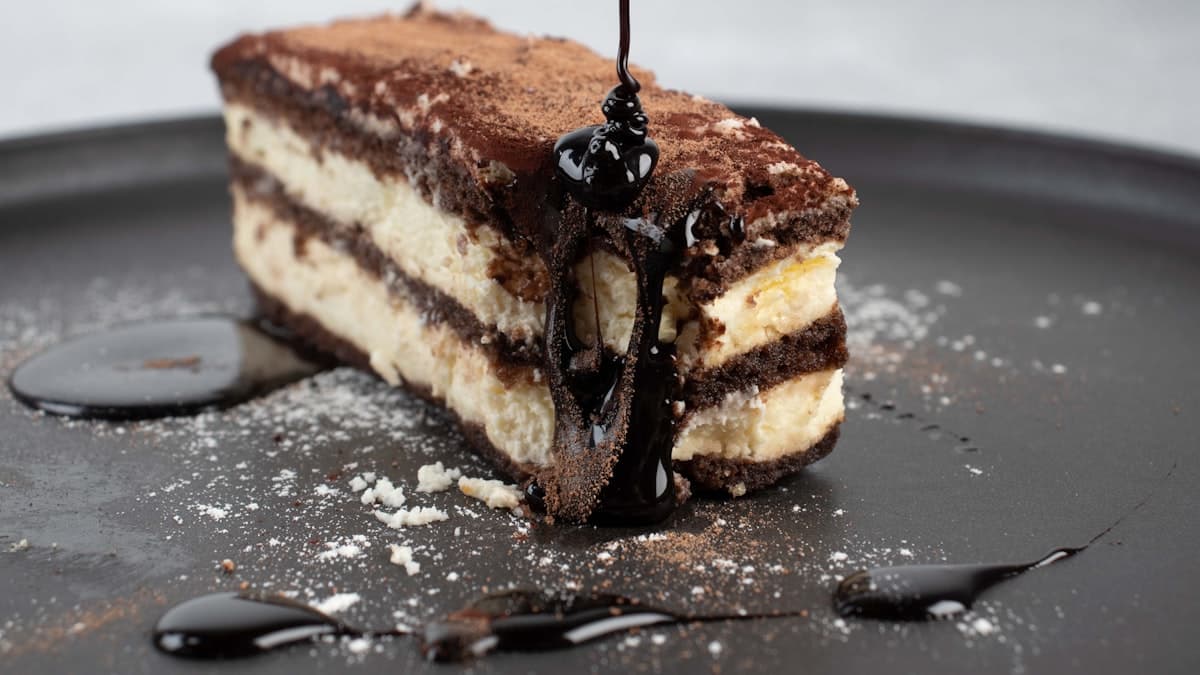
Picual carries high polyphenol levels with assertive bitterness, pepperiness, and notes of herbs and tomato leaf. It suits desserts that already have a bitter foundation — dark chocolate cake and espresso ice cream are the obvious choices. Layering bitterness on bitterness draws the overall flavour together rather than creating conflict.
Hojiblanca is defined by soft fruit notes of almond, apple, and banana. It integrates naturally with clean, bright desserts: vanilla ice cream, yogurt panna cotta, fresh-fruit tarts. Where Picual punctuates, Hojiblanca blends.
Sibarita has notably low acidity and a delicate butter-and-almond character. It is well suited to precision pastry work — macarons, crème brûlée, rice-based bingsu — where the goal is to add richness without the sharp edge that higher-polyphenol oils can introduce.

Home Plating: A Practical Step-by-Step
Reproducing a restaurant technique at home comes down, above all, to restraint with quantity. A drizzle of 5–10 ml (approximately one teaspoon) per serving, applied at the very last moment before serving, is the standard recommendation. Too much oil and its weight suppresses the lightness that makes most desserts appealing.
Temperature is the other key variable. When EVOO is drizzled over cold bingsu or ice cream, it forms a thin film on the surface. The first spoonful then delivers oil, ice, and filling together — a layered sensory experience that a pre-mixed approach cannot replicate.
The recommended plating sequence is: ① complete the dessert base → ② arrange toppings such as nuts or fresh herbs → ③ drizzle the EVOO → ④ finish with a small pinch of sea salt. Using a coarse-crystal salt such as fleur de sel at the end completes a three-way contrast of sweet, bitter, and salty. According to a 2023 report by Technomic, the share of fine-dining restaurants in Europe incorporating a finishing oil in their dessert courses more than doubled compared with 2019, and broader market data suggests the same direction is taking hold elsewhere.
Frequently asked questions
- Why does olive oil taste good on sweet desserts?
- Food sensory science describes a phenomenon called contrast enhancement — bitter flavors experienced immediately after sweetness are reported to extend and deepen the sweet aftertaste, much the same way salt amplifies caramel. Because extra virgin olive oil retains its natural polyphenols through cold-pressing, its bitterness and pepperiness are pronounced enough to create this effect on desserts.
- Which olive oil cultivar works best on ice cream or bingsu?
- It depends on the base flavour. Hojiblanca, with its almond, apple, and banana notes, suits vanilla ice cream and fresh-fruit tarts. For matcha or red-bean bingsu — which already carry bitterness — a mid-to-high-polyphenol variety with grassy or herbal character tends to add the most complexity, according to recurring feedback in chef interviews. Picual, the most intensely bitter option, pairs well with espresso ice cream or dark chocolate cake.
- How much olive oil should I use when finishing a dessert?
- A general guideline for home plating is 5–10 ml (roughly one teaspoon) per individual serving, added as a drizzle at the very last moment before serving. Using more risks weighing down the dessert's texture. A small pinch of flaky sea salt — such as fleur de sel — added after the oil completes a three-way sweet–bitter–salty contrast.
Related reading
- EVOO in the Italian Home Kitchen: A Long History in Baking and Pastry
Extra virgin olive oil is widely known as a finishing oil, but Italian home cooks have long relied on it in baking and pastry. From focaccia dough to apple cake batter, here is how EVOO earns its place in the oven.
- From Omakase to Home Table: How the Fine-Dining-at-Home Trend Is Reshaping the Pantry
A growing appetite for restaurant-grade experiences at home is pushing premium pantry staples—Spanish single-varietal EVOO chief among them—out of professional kitchens and onto domestic shelves.
- Value Over Price: How Korea's Gift Market Is Embracing European Premium Pantry Staples
Korea's seasonal gift market is shifting its center of gravity from expensive to meaningful, with naturalist private-label ranges and European premium ingredients — including EVOO — moving from novelty to expectation.
- Spring Greens Meet EVOO: A Pairing Guide for the Season's First Harvest
From bitter aralia shoots to sweet spring cabbage, Korea's earliest seasonal greens reveal an unexpected affinity with extra virgin olive oil. This guide matches cultivar by cultivar and explains how to use EVOO at every stage of the spring kitchen.
- Korean Holiday Cooking Meets EVOO: A Practical Kitchen Guide
Sesame oil has long ruled the Korean festive kitchen, but extra virgin olive oil is quietly earning a place beside it. This guide covers which holiday dishes benefit most from EVOO, how to blend the two oils, and how to keep a bottle in good condition through a long cooking day.
- Three Meals a Day with EVOO: Inside the Spanish Home Kitchen
In Spanish households, extra-virgin olive oil is not reserved for special occasions — it appears at breakfast, anchors the midday sofrito, and finishes the evening plate. A look at how that daily rhythm works, and what it might mean for any table.
Tags
- dessert pairing
- evoo
- flavor contrast
- bingsu
- cultivar guide