Table
From Winter Solstice Porridge to Summer Chicken Soup: Pairing EVOO with Korea's Seasonal Foods
Korea's traditional seasonal dishes — from dongji red-bean porridge to samgyetang chicken soup to Daeboreum wild-green namul — carry centuries of culinary wisdom. This guide explores how extra virgin olive oil can join that table without disrupting it.
Translated from the Korean edition, originally published July 18, 2026 · read the original
Seasonal Food as a Way of Marking Time
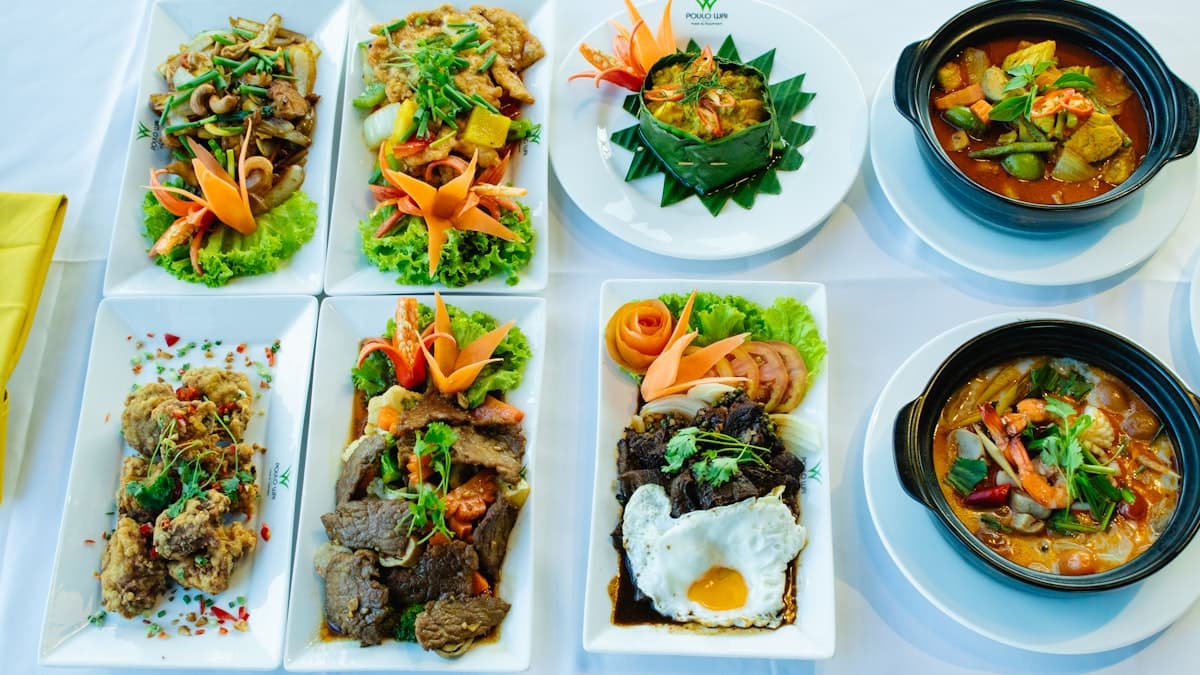
Korea's traditional jeolgi (節氣) food culture is not simply a calendar of holidays. Across twenty-four solar terms and overlapping festive days, cooks have chosen ingredients at their seasonal peak, prepared dishes according to knowledge accumulated over generations, and shared the results with family and neighbors as a bodily way of registering the turning year. Red-bean porridge on the winter solstice, ginseng chicken soup during the dog-days of midsummer, and a spread of nine wild-green namul on the first full moon of the lunar year: each tradition represents centuries of refined culinary thinking.
In recent years, extra virgin olive oil (EVOO) has been finding its way onto these traditional tables. According to a 2023 market report by the International Olive Council (IOC), South Korea's olive oil imports grew by approximately 37% compared with 2018, and domestic use has been expanding beyond salad dressings into traditional cooking contexts. One reason is a surprising flavor compatibility: the deep, savory character of Korean seasonal dishes can meet the grassy, herbaceous notes of a good EVOO with unexpectedly pleasing results.
Dongji — Red-Bean Porridge Meets a Green EVOO
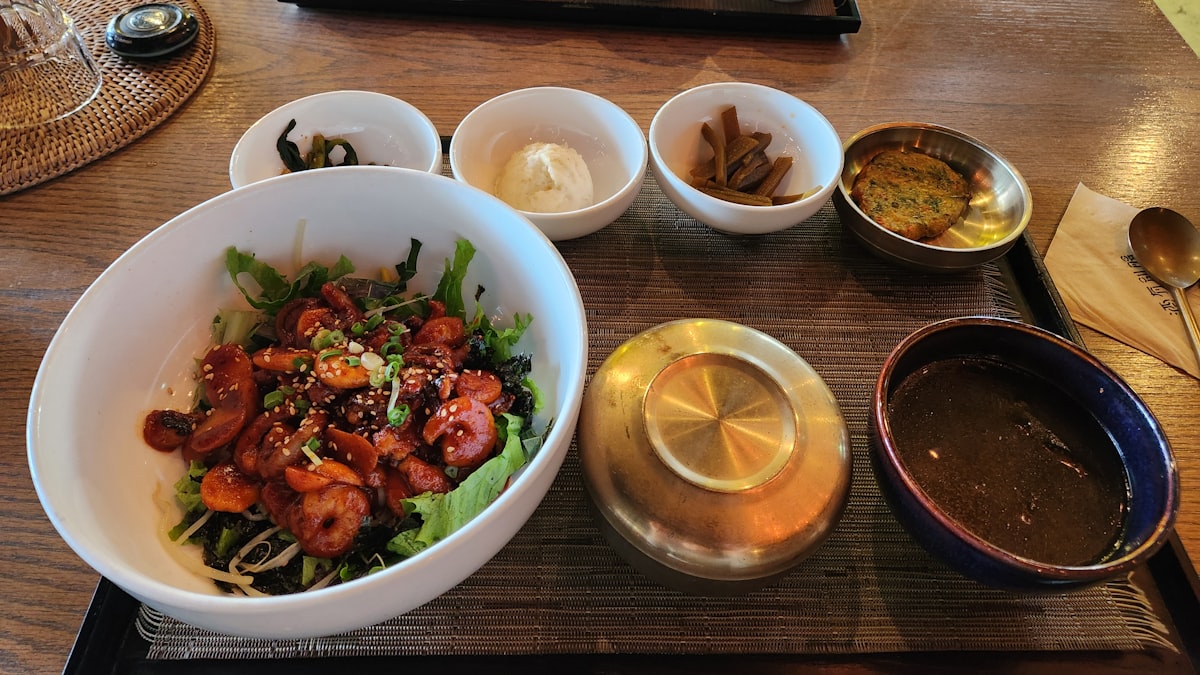
Dongji, the winter solstice, is the longest night of the year in the Korean calendar. The custom of cooking patjuk — red-bean porridge — on that day has roots in folk belief that the red color of adzuki beans wards off misfortune. The dish itself is characterized by an earthy, mellow sweetness, with chewy glutinous-rice dumplings (saealshim) suspended in a deep, slow-cooked broth.
The most effective approach for introducing EVOO here is to use it as a finishing oil. Once the porridge is ladled into bowls, a light circuit of herbaceous, green-note EVOO added over the surface creates a new aromatic dimension that is difficult to achieve by any other means: the nuttiness of the beans meets the grassy freshness of the oil, and the two build a more complex flavor profile together than either offers alone. An EVOO with low free acidity and a relatively high polyphenol content is particularly well suited, because its moderate bitterness and peppery finish prevent the natural sweetness of the beans from becoming flat.
The Dog Days — One Drizzle of Olive Oil in Samgyetang
The three sambok periods — chobok, jungbok, and malbok — mark the hottest weeks of the Korean summer. The custom of eating samgyetang during this time — a whole young chicken stuffed with glutinous rice, ginseng, jujubes, and garlic, then simmered for hours — expresses the principle of iyeolchilyeol, meeting heat with heat. Research documentation from the Rural Development Administration of Korea classifies samgyetang as a representative summer seasonal dish notable for its protein content and essential amino acid profile.
The key point of contact between samgyetang and EVOO is the broth's texture. Hours of simmering dissolve collagen from the bones, leaving the stock slightly viscous and richly coated with natural fat. A light, fruit-forward EVOO brought to the table for diners to stir in according to taste can lift that richness: the oil's fresh aroma counters the broth's weight without masking it. Samgyetang prepared with ginseng or astragalus root carries a faintly bitter herbal finish that sits in the same flavor family as the peppery tail of a well-made EVOO, so the two do not clash.
A second approach: mix a few drops of EVOO into the finishing salt served alongside the dish for dipping pieces of pulled chicken. Salt and olive oil alone form an instant dip that sharpens the clean, mild flavor of the white meat.
Daeboreum — Aged Namul Greens with an EVOO Dressing
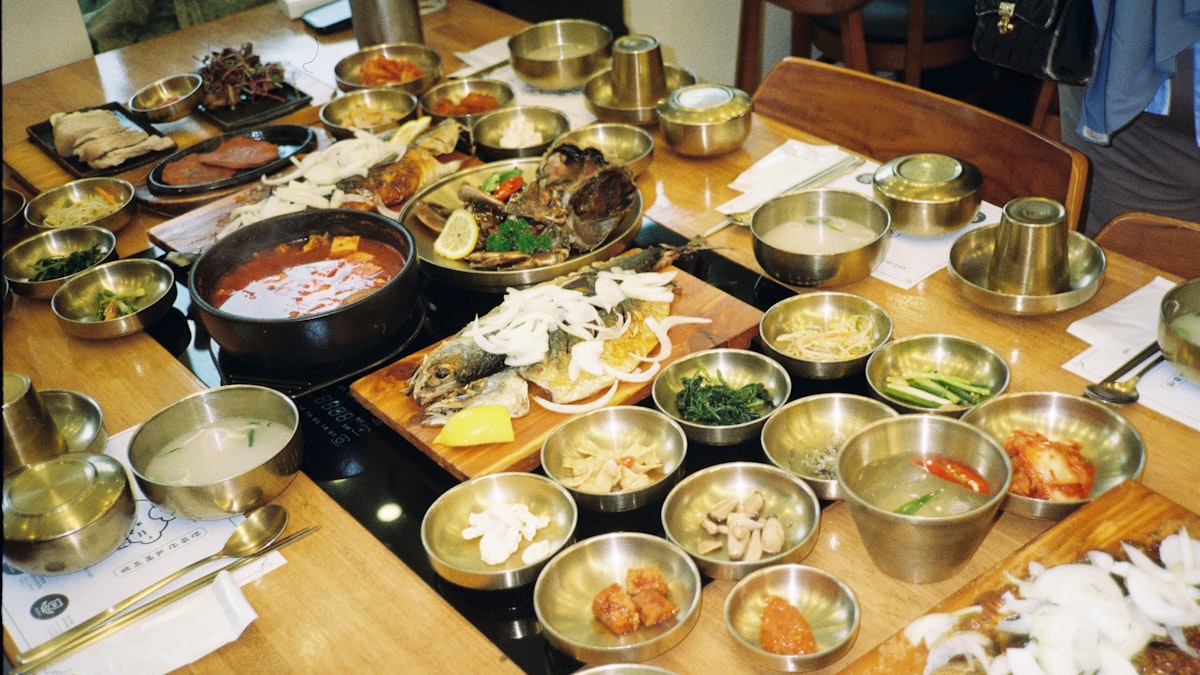
The fifteenth day of the first lunar month — Jeongwol Daeboreum — greets the year's first full moon. The tradition calls for ogokbap (five-grain rice) served alongside nine varieties of mukeunaul, dried wild greens that were put up in the previous autumn and reconstituted for this occasion. Typical varieties include chwinamul (aster), bracken fern, bellflower root, dried radish greens, radish, dried pumpkin, and dried eggplant, each finished in sesame oil or perilla oil.
Of the seasonal dishes discussed here, Daeboreum namul offers the most natural point of entry for EVOO. Experimental substitutions of EVOO for perilla oil in namul preparation have been reported among Korean food researchers. Strongly aromatic greens like chwinamul and radish greens pair readily with EVOO's herbal notes, while milder varieties like bellflower root and bracken benefit from the oil's fruit character, which fills what might otherwise read as a one-dimensional flavor.
Two practical approaches: first, finish stir-fried namul by removing the pan from the heat and drizzling EVOO over the greens before they cool entirely — the residual warmth lets the oil's aroma permeate the dish while keeping the temperature below any smoke-point concern. Second, when dressing raw or blanched namul, replace half the sesame or perilla oil in the recipe with EVOO, letting sesame oil carry the nuttiness while the EVOO contributes brightness and a green, fresh lift.
Choosing the Right EVOO for Korean Seasonal Dishes
When matching EVOO to these dishes, intensity and acidity are the most useful reference points. For bold, long-cooked preparations like patjuk and samgyetang, an EVOO with a pronounced flavor profile and higher polyphenol content holds its own alongside the food. For the more nuanced, multi-ingredient world of Daeboreum namul, a medium-intensity oil with softer fruit notes and lower pungency is a better fit.
Harvest timing is also worth considering. Early-harvest oils — pressed from olives picked before full ripeness — tend toward strong green notes and marked bitterness, qualities that complement the robust character of the solstice and midsummer dishes. Oils pressed from fully ripe olives are softer and carry more rounded, sweeter aromas, making them well suited to the delicate layering of seasoned greens. On acidity, the basic standard holds: free acidity at or below 0.3%, with 0.2% or lower preferable.
Korea's seasonal food traditions are a condensed language of culinary intelligence accumulated over hundreds of years. Adding a thread of good olive oil to that table is not a disruption of that tradition — it is a continuation of what tradition has always done: seeking better ingredients and letting the food evolve.
Frequently asked questions
- Does olive oil work with Korean red-bean porridge (dongji-patjuk)?
- Yes, as a finishing oil. Drizzling a green, herbaceous EVOO over the porridge just before serving adds a layer of complexity — the grassy notes contrast with the sweet earthiness of the red beans — without overpowering the dish.
- Can I add olive oil to samgyetang chicken soup?
- A light, fruit-forward EVOO works well alongside samgyetang. You can drizzle a small amount into the broth to taste, or stir a few drops into the finishing salt used for dipping the chicken. The slightly bitter finish of the olive oil echoes the herbal bitterness of ginseng in the broth.
- Which EVOO is best for seasoning Korean namul greens?
- For Daeboreum namul, a medium-intensity EVOO with soft fruit notes and low pungency works best. You can replace half the perilla or sesame oil in a namul dressing with EVOO, letting the sesame oil supply nuttiness while the EVOO contributes a fresh, green lift.
- What acidity level should I look for when pairing EVOO with Korean food?
- The same benchmark that applies to any quality EVOO: free acidity at or below 0.3%, ideally below 0.2%. Lower acidity generally means fresher oil with more intact aroma, which matters when you are using it as a finishing drizzle rather than for high-heat cooking.
- Does early-harvest or late-harvest EVOO pair better with these dishes?
- It depends on the dish. Early-harvest oils tend to be greener, more bitter, and higher in polyphenols — a good match for bold, long-cooked dishes like patjuk or samgyetang. Late-harvest oils are softer and slightly sweeter, which suits the more delicate, varied flavors of namul greens.
Related reading
- Soy, Gochujang, Doenjang: Ratio Guides for Korean Jang Dressings with Extra Virgin Olive Oil
Combining extra virgin olive oil with Korea's fermented jang pastes opens unexpected flavor territory — but the ratios matter. This guide breaks down the optimal oil-to-jang proportions for soy sauce, gochujang, and doenjang, with practical applications for each.
- Ciabatta, Sourdough, Focaccia: Matching Bread Character to Olive Oil Intensity
Ciabatta, sourdough, and focaccia each bring a distinct fermentation profile, crumb structure, and crust to the table. Matching olive oil intensity to bread character lets both ingredients amplify each other rather than compete.
- Guacamole, Tacos, and Olive Oil: A Pairing That Goes Back Centuries
From sixteenth-century Spanish missionaries to modern Latin kitchens in Mexico City, New York, and Los Angeles, extra virgin olive oil has long had a place at the Mexican table. This guide traces the history and explores how chefs are using it today.
- Butter Country No More: How Scandinavia Learned to Cook with Olive Oil
Olive oil is reshaping Nordic kitchens — from Copenhagen's Michelin-starred restaurants to Swedish home pantries. This guide traces how EVOO found its place alongside smoked fish, fermented rye, and root vegetables in one of the world's most distinctive food cultures.
- Hummus, Shakshuka, Sabich: How Israeli Cooking Uses Olive Oil at Every Layer
From the finishing pour on hummus to the base of a shakshuka and the layered construction of a sabich, olive oil functions as a primary ingredient on the Israeli table — not a neutral medium. This guide traces how Levantine culinary tradition treats the oil itself as the point.
- Matching Olive Oil Intensity to Your Ingredients: A Pairing Guide
Acidity and grade tell you whether an olive oil is good; intensity tells you where it belongs on the plate. This guide walks through the mild, medium, and intense tiers — and the cooking variables that shift the equation.