Table
Korean Spirits Meet EVOO: A Pairing Guide for Makgeolli and Soju
Makgeolli's lactic tang and soju's sharp heat turn out to be surprisingly compatible with extra virgin olive oil. This guide traces the sensory logic behind each pairing and suggests the food that brings everything together.
Translated from the Korean edition, originally published July 20, 2026 · read the original
Oil and Alcohol: Getting Past the Obvious Skepticism
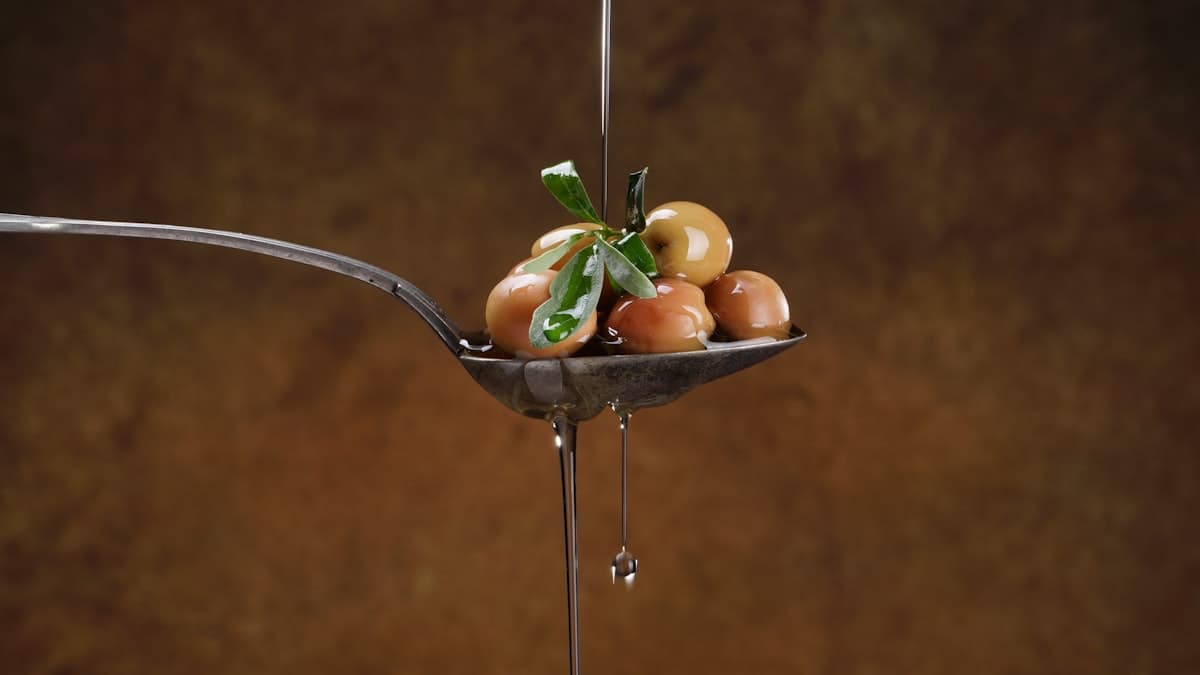
Few people instinctively reach for an olive oil bottle when they are pouring a drink. The idea of pairing a fat with an alcoholic beverage can feel counterintuitive. Yet across the Mediterranean, extra virgin olive oil (EVOO) has shared the table with wine for centuries. It has long been understood through practice that the polyphenols in EVOO help reset the palate, making each subsequent sip taste more defined.
Interest in deliberate pairing has grown steadily alongside the traditional spirits market. According to data from Korea's Korea Agro-Fisheries and Food Trade Corporation (aT), domestic shipments of traditional Korean spirits increased by more than 10 percent year-on-year in 2023. Makgeolli and soju sit at the center of that market, and how each interacts with extra virgin olive oil is a subject worth exploring seriously.
Makgeolli and EVOO: Where Fermented Tang Meets Grassy Finish
Makgeolli is a fermented rice wine made with rice and nuruk, a traditional fermentation starter. Its flavor is built in layers: the gentle sourness produced by lactic acid bacteria, a background sweetness from the grain, and a light natural effervescence. That structure opens an interesting conversation with the bitter, herbaceous finish of extra virgin olive oil.
The lactic acid in makgeolli is known to gently lift the fat film left on the palate. After eating bread generously dipped in olive oil, a sip of makgeolli clears the richness — and in doing so, the grassy and nutty notes of the oil tend to linger more clearly than they did before. The effervescence and acidity characteristic of fermented drinks appear to reset the palate in a way that makes the oil's aromatics more distinct.
In terms of cultivar choice, a low-acidity oil with delicate fruit character tends to complement makgeolli best. An aggressively peppery finish or a very intense finish can overwhelm makgeolli's soft texture rather than harmonize with it. An oil at around 0.14% acidity can move alongside makgeolli's gentle sweetness without disrupting it.
Soju and EVOO: Managing the Edge of a Distilled Spirit
Soju is a different proposition. Diluted distilled soju carries a sharp, clean alcohol character that is its defining trait, and it leaves a distinct warmth in the mouth. The way olive oil can soften that warmth is one of the more interesting angles in this pairing.
In parts of the Mediterranean and Eastern Europe, it has long been customary to take a small amount of olive oil before drinking spirits, on the understanding that it may help coat the stomach lining and moderate the rate of alcohol absorption. Research has reported that fat does affect the speed of alcohol absorption, though individual responses vary considerably and it is too early to draw firm conclusions.
For a soju pairing, a high-polyphenol, full-flavored EVOO is the better choice. The bitterness and peppery finish of a robust oil create a counterpoint to soju's alcohol sharpness, producing an unexpected equilibrium. An oil carrying polyphenols above 800 mg/kg retains its presence even alongside the assertive character of the spirit.
Building the Table: Food That Completes the Pairing
A pairing between EVOO and Korean spirits becomes richer when food is part of the picture. Three combinations are worth trying.
First, soft tofu with an olive oil drizzle. Silken or soft tofu finished with extra virgin olive oil and a small pinch of coarse salt brings together the savory, bean-forward flavor of the tofu and the herbal quality of the oil. A sip of makgeolli closes the combination cleanly.
Second, savory Korean pancakes fried in EVOO. Pajeon (green onion pancakes) or kimchi pancakes cooked in extra virgin olive oil gain a grassy complexity that a neutral cooking oil does not provide. Makgeolli is a traditional companion to jeon in Korean food culture, so substituting EVOO for the frying fat is a natural evolution of something already familiar.
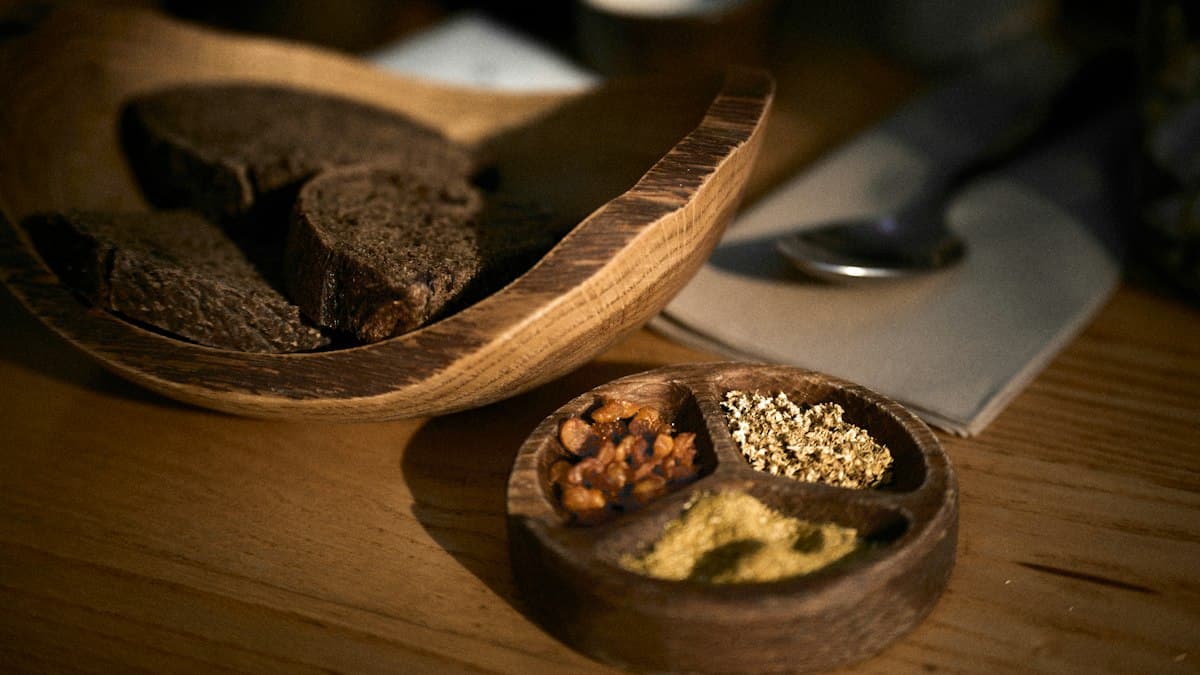
Third, bread and olive oil as a standalone finish. Dipping a piece of bread in EVOO after a glass of soju — with nothing else on the plate — functions as a palate cleanser in the same spirit as the Italian tradition of offering grissini and olive oil between courses. The gesture is simple, and it works.
Ending the Night with Olive Oil
In Korean drinking culture, the close of a session matters. A bowl of hot broth, a piece of sweet fruit, or a light snack are familiar ways to settle the evening. Olive oil can occupy that closing moment quietly.
A piece of bread dipped in EVOO, or a final plate of tofu or vegetables finished with a drizzle — these simple acts can serve as a sensory full stop to the table. The slightly bitter finish of a good extra virgin oil is reported to settle the residual alcohol warmth on the palate, and may contribute to a more comfortable morning after, though individual experience will differ.
Pairing is ultimately a dialogue between flavors. Korean traditional spirits carry thousands of years of fermentation culture; extra virgin olive oil carries the history of Mediterranean civilization. That they meet naturally on the same table is less surprising than it first appears. Fermentation and minimally processed natural ingredients are a common denominator the two traditions share, and on that common ground, a new kind of sensory experience is available to anyone willing to try it.
Frequently asked questions
- Does olive oil actually go with makgeolli?
- The lactic acid in makgeolli is known to gently clear fat from the palate, which can make the grassy and nutty notes of a delicate EVOO stand out more clearly after a bite of oil-dipped bread. A low-acidity oil around 0.14% works particularly well, as a very peppery finish can overpower makgeolli's soft texture.
- What kind of olive oil should I pair with soju?
- A full-flavored oil with polyphenols above 800 mg/kg holds its own against soju's sharp alcohol character. The bitterness and peppery finish of a high-polyphenol EVOO create an interesting counterpoint to the heat of the spirit, rather than being lost in it.
- Can olive oil slow down alcohol absorption?
- Research has reported that dietary fat can affect the rate at which alcohol is absorbed, and some traditional communities in the Mediterranean and parts of Eastern Europe have long taken a small amount of olive oil before drinking spirits. However, individual responses vary considerably, and it is too early to draw firm conclusions.
- What food works best when pairing EVOO with Korean spirits?
- Soft tofu drizzled with extra virgin olive oil and a pinch of coarse salt pairs naturally with makgeolli, letting the herbal notes of the oil complement the bean flavor. Korean savory pancakes (jeon) fried in EVOO also work well, as makgeolli is a traditional companion to jeon and the oil adds a grassy complexity that standard cooking oil does not.
- How do I use olive oil as a palate cleanser at the end of a drinking session?
- A piece of bread dipped in EVOO after a round of soju can act as a palate cleanser in much the same way that grissini and olive oil are served between courses in Italian dining. The slightly bitter, peppery finish of the oil is reported to settle the lingering heat of alcohol on the palate.
Related reading
- From Omakase to Home Table: How the Fine-Dining-at-Home Trend Is Reshaping the Pantry
A growing appetite for restaurant-grade experiences at home is pushing premium pantry staples—Spanish single-varietal EVOO chief among them—out of professional kitchens and onto domestic shelves.
- Spring Greens Meet EVOO: A Pairing Guide for the Season's First Harvest
From bitter aralia shoots to sweet spring cabbage, Korea's earliest seasonal greens reveal an unexpected affinity with extra virgin olive oil. This guide matches cultivar by cultivar and explains how to use EVOO at every stage of the spring kitchen.
- Mala, Dim Sum, and a Drizzle of EVOO: Olive Oil Meets Chinese Cooking
Extra virgin olive oil is crossing into Chinese cuisine — from mala tang broth to steamed dim sum and Cantonese stir-fries. Here is a flavor-and-chemistry look at why the pairing works.
- Match the Intensity: Choosing EVOO for Every Salad Green
From peppery arugula to delicate butter lettuce, matching the flavor intensity of a salad green to the right olive oil cultivar can transform a simple salad. Here is a guide to the pairing principles and variety-by-variety combinations.
- EVOO, Balsamic, and Finishing Salt: The Three-Ingredient Pairing That Changes a Plate
Three ingredients, one sharper table. This guide breaks down how EVOO, balsamic vinegar, and finishing salt work together — and when each combination earns its place on the plate.
- Five Breads, Five Intensities: Pairing EVOO with Focaccia, Sourdough, and Beyond
From focaccia to whole wheat, each bread's crumb and crust calls for a different EVOO intensity. This guide adds one more variable: time of day.