Table
Dipping or Finishing? A Cultivar-by-Cultivar Guide to ORO CELESTE
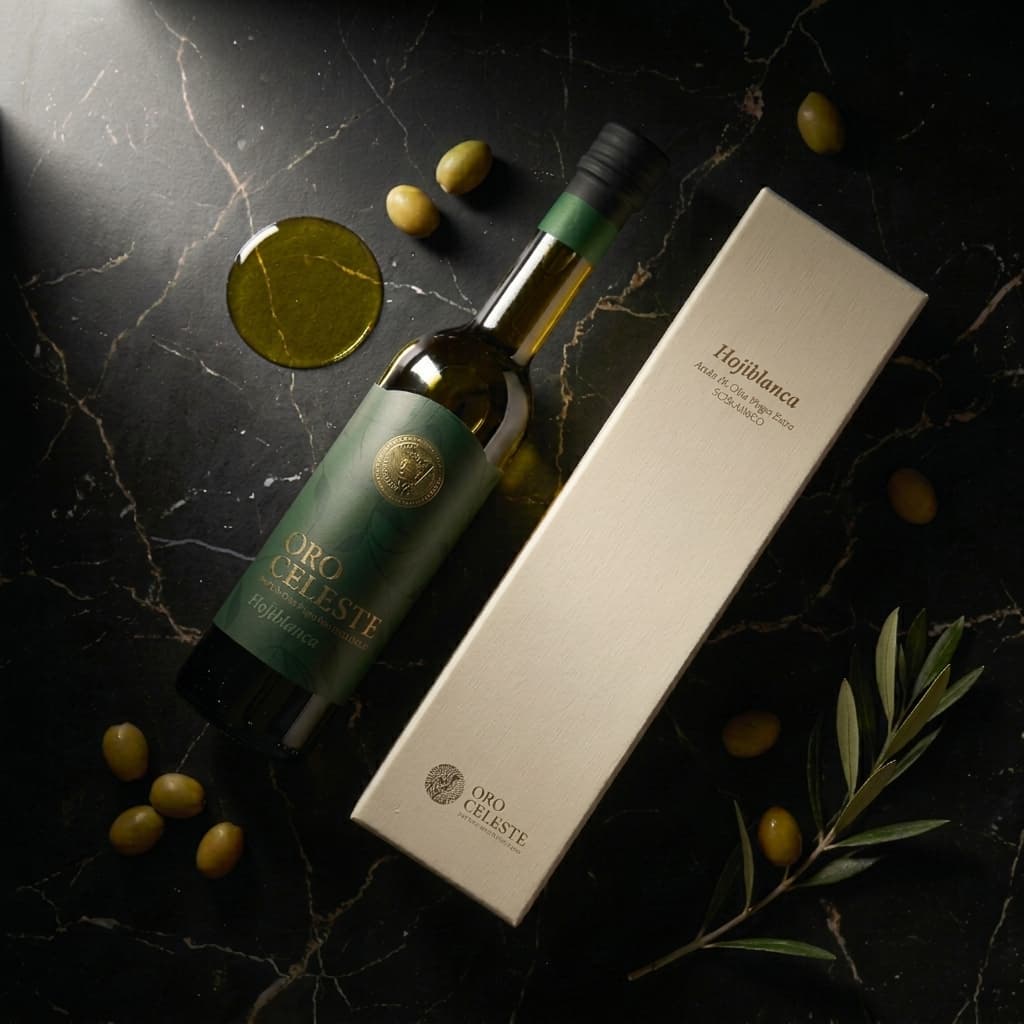
When you use an olive oil matters as much as which oil you choose. This guide maps ORO CELESTE's three cultivars—Ojiblanca, Sibarita, and Picual—to the moments at the table where each one performs best.
Translated from the Korean edition, originally published August 7, 2026 · read the original
When You Use an Olive Oil Matters as Much as How Much You Use
Most discussions of extra virgin olive oil (EVOO) center on quality and origin, but at the table the more consequential variable is often timing. The same oil poured from the same bottle reads very differently when you drag bread through it than when you finish a bowl of pasta with it. In a dipping context, the oil's flavor is experienced undiluted. In a finishing context, the oil meets the warmth, aroma, and texture of a completed dish in a matter of seconds. Those are genuinely different environments.
According to the sensory evaluation guidelines of the International Olive Council (IOC), extra virgin olive oil flavor is assessed along three axes: bitterness, pungency, and fruitiness. The balance among those three can be a strength or an imposition depending on what the oil is paired with and when. ORO CELESTE's lineup of Ojiblanca, Sibarita, and Picual each weight those axes differently, and that difference is precisely what determines which moment each cultivar is made for.
Ojiblanca — The Natural Center of a Dipping Table
Ojiblanca (acidity 0.16%, polyphenols 600+ mg/kg) opens with a sweet, rounded fruitiness reminiscent of ripe apple and almond, then resolves into a restrained bitterness and a soft peppery warmth on the finish. That arc is wide enough to satisfy first-time EVOO drinkers and experienced tasters alike.
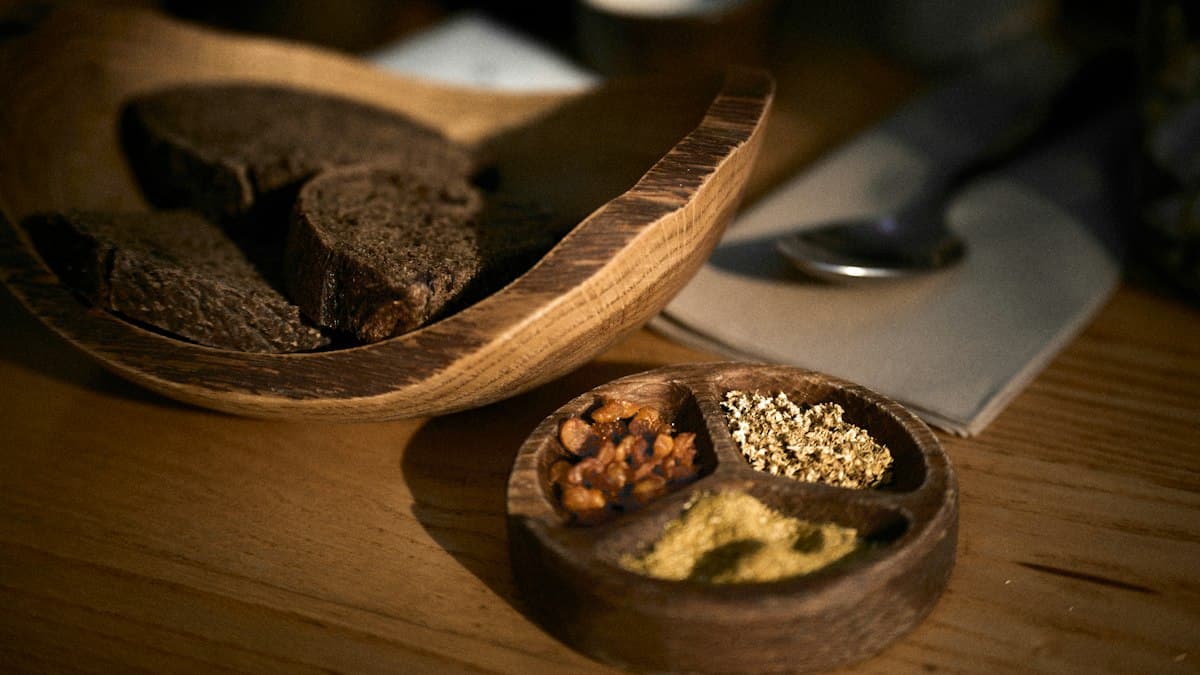
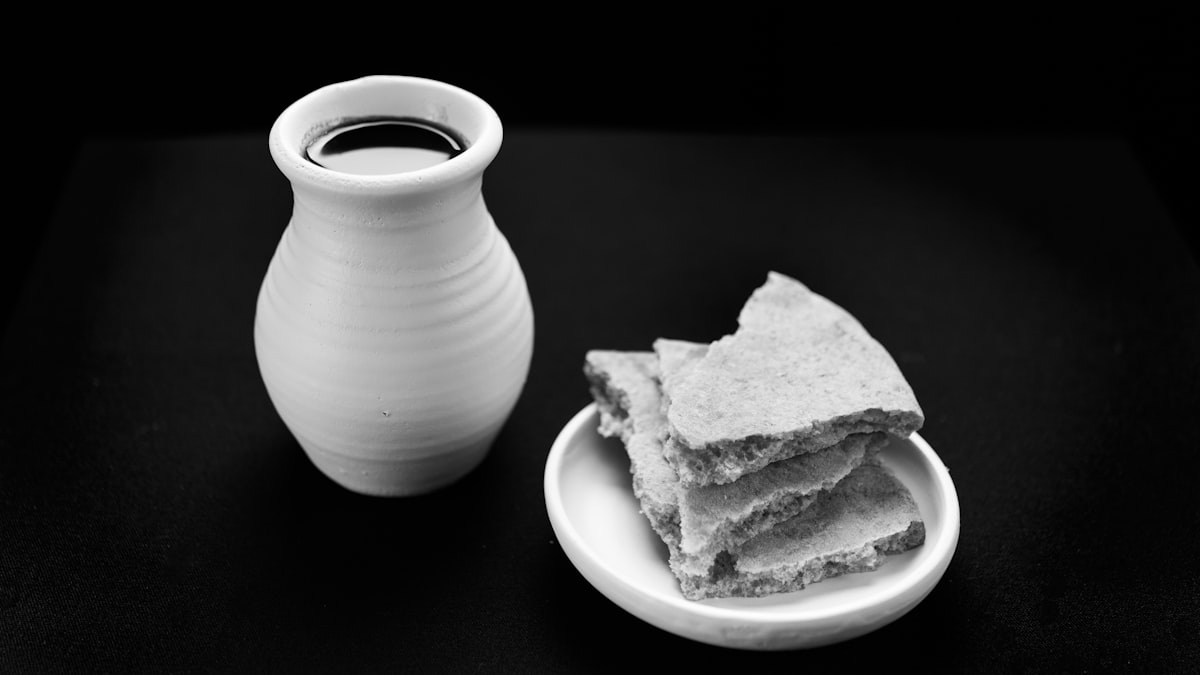
In a dipping setting, Ojiblanca's advantage is what might be called accessible complexity. Breads with an open crumb structure—ciabatta, baguette—absorb the oil quickly and carry its flavor cleanly. At that polyphenol level, the oil leaves a long, pleasant finish without the sharp edge that can catch newcomers off guard. On the plate, a pinch of good salt alongside fresh thyme or rosemary will amplify Ojiblanca's herbal undertones noticeably.
As a finishing oil, Ojiblanca works best over ingredients with their own delicacy: white fish carpaccio, ricotta toast, or even a scoop of vanilla ice cream. Over assertive sauces or rich meats, its gentler character risks being lost entirely—in those situations, Picual is the more logical choice.
Sibarita — The Precise Choice for Finishing
Sibarita (acidity 0.14%, polyphenols 500+ mg/kg) carries the lowest acidity of the three cultivars and the silkiest texture. Fresh grass, tomato leaf, and green almond dominate the nose; bitterness and pungency are present but held in check. Those qualities come into sharpest focus as a finishing oil rather than a dipping one.
When a few drops of Sibarita land on a warm dish, the residual heat briefly opens the oil's volatile aromatics, spreading bright green flavor across the whole plate. Risotto, vegetable soups, steamed greens, and charcuterie boards are natural fits. Egg dishes are a particularly clear match: Sibarita drizzled over a poached egg, a soft scramble, or a half-set omelette, finished with a pinch of fleur de sel, produces a layered result in which the oil's grassy freshness plays against the yolk's creaminess in distinct, readable layers.
For dipping, Sibarita reads most clearly over a neutral, lighter base—whole-grain crackers or grissini—rather than butter-enriched brioche or focaccia, where the oil's green character can be muffled by richness.
Picual — For Every Moment That Demands Intensity
Picual (acidity 0.20%, polyphenols 800+ mg/kg) is the most concentrated of the three in both polyphenol content and flavor intensity. A deep, ripe-olive fruitiness is layered with tomato, fig, and black pepper, followed by a clear bitterness and a pronounced peppery sensation on swallowing. That intensity is not simply heat for its own sake—it is the sensory expression of a high polyphenol load.
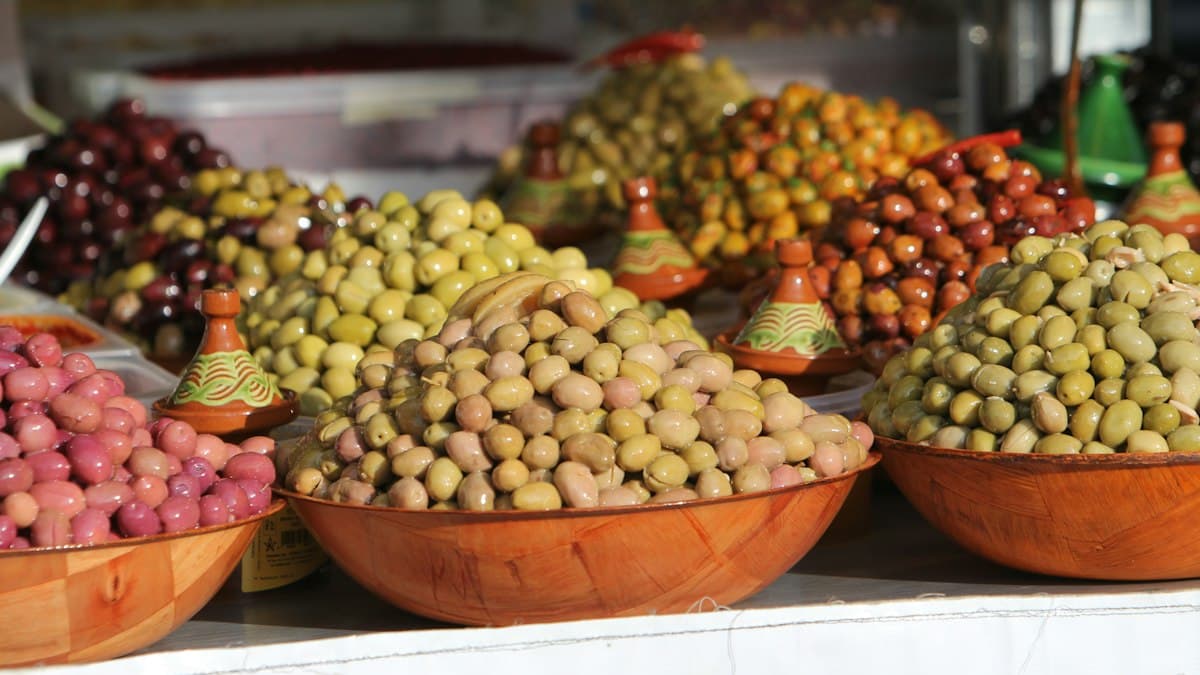
In a dipping context, Picual is the oil for tasters who already appreciate what the IOC classifies as positive attributes: amaro (bitterness) and piccante (pungency). For that audience, a bowl of Picual and a thick slice of salted bread is a complete tasting session. It also holds its ground alongside antipasto elements—olives, aged cheese, salami—where assertive flavors reinforce rather than compete with one another.
As a finishing oil, Picual delivers best over ingredients that can match its weight: grilled steak, bruschetta, grilled polenta, lentil soup, smoked salmon. Over these, the oil participates as an equal rather than disappearing into the background. Over delicate proteins—white fish, plain tofu—that same strength can overwhelm the main ingredient, so restraint or a switch to Ojiblanca is advisable.
Practical Summary and Advice for the Table
The three cultivars divide roughly as follows. Ojiblanca covers both dipping and delicate finishing with broad versatility. Sibarita is at its clearest as a finishing oil for warm dishes, and can dip credibly on a light base. Picual is the natural choice for high-intensity dipping and for finishing dishes with bold flavors of their own.
One practical tip worth carrying into the kitchen: check the color in natural light. According to data from the Institute of Agrifood Research and Technology (IRTA), extra virgin olive oils from the same production batch have been reported to shift in color from golden-green toward amber as oxidation progresses, with a corresponding change in flavor intensity. The fresher the oil, the more vivid the green-gold hue and the more expressive the fruitiness. For dipping—where the oil is the point—using the bottle as early as possible after opening captures the widest range of flavor.
For dipping specifically, pour small amounts into the bowl at a time rather than filling it generously. A larger surface area exposed to air accelerates oxidation, so the habit of pouring a little, consuming it with bread, and repeating keeps each pour tasting its best. For finishing, the oil should be the very last element added to the plate, after all heat has been removed. Excessive heat volatilizes the aromatic compounds most responsible for fresh, fruity character, so timing the drizzle to the final moment of plating is the single most effective way to preserve what makes a good EVOO worth using there in the first place.
Frequently asked questions
- What is the difference between a dipping olive oil and a finishing olive oil?
- A dipping oil is experienced neat—its flavor is delivered without dilution, directly absorbed by bread or other carriers. A finishing oil is drizzled over a completed dish, where heat and aromatics from the food briefly interact with the oil. The same oil can serve both roles, but cultivars with different bitterness, pungency, and fruitiness profiles tend to shine in one context more than the other.
- Which olive oil cultivar is best for dipping bread?
- Ojiblanca (0.16% acidity, 600+ mg/kg polyphenols) is broadly considered the most accessible choice for dipping, thanks to its rounded fruit character—ripe apple and almond—with a gentle bitter finish. Picual (0.20% acidity, 800+ mg/kg polyphenols) is the stronger pick for tasters who enjoy the pronounced bitterness and pungency that signal high polyphenol content.
- Is Sibarita olive oil good for finishing cooked dishes?
- Sibarita (0.14% acidity, 500+ mg/kg polyphenols) is particularly well suited to finishing. Its silky texture and fresh-grass, green-almond character open up when a few drops meet the warmth of a risotto, soup, or poached egg, spreading lively green notes across the dish without overpowering it.
- Can Picual olive oil be too strong for delicate foods?
- Yes. Picual carries the highest polyphenol concentration of the three cultivars and the most assertive flavor—ripe olive fruit layered with tomato, fig, and black pepper, followed by clear bitterness and a peppery finish. On delicate proteins such as white fish or tofu, that intensity can overwhelm the ingredient. It is better matched to grilled steak, bruschetta, lentil soup, or aged cheese plates, where it holds its own alongside bold flavors.
- When is the best moment to add finishing oil to a plate?
- Add finishing olive oil at the very last step of plating, after the dish has been removed from direct heat. Excessive heat drives off the volatile aromatic compounds responsible for the oil's fresh, fruity character. Drizzling just before serving preserves those top notes most effectively.
Related reading
- The Mediterranean Art of Oil Poaching Fish: Ratios, Temperatures, and Cultivar Pairings
Oil poaching — gently cooking fish submerged in olive oil at low heat — is a cornerstone technique of Mediterranean kitchens. This guide covers everything from choosing the right EVOO to precise temperature ranges and the oil ratios that make the difference.
- Seven Free Recipes, Three Cultivars: ORO CELESTE's Home-Cooking PDF Collection
ORO CELESTE has released a free seven-recipe PDF collection on its official website, with each dish matched to one of three single-cultivar oils — Ojiblanca, Sibarita, or Picual.
- Ojiblanca on the Table: A Pairing Guide for Carpaccio and the Cheeseboard
ORO CELESTE Ojiblanca — 0.16% acidity, 600+ mg/kg polyphenols — brings a layered almond-and-grass character that quietly lifts both the delicacy of raw-meat carpaccio and the fat-rich complexity of a well-built cheeseboard.
- Ciabatta, Sourdough, Focaccia: Matching Bread Character to Olive Oil Intensity
Ciabatta, sourdough, and focaccia each bring a distinct fermentation profile, crumb structure, and crust to the table. Matching olive oil intensity to bread character lets both ingredients amplify each other rather than compete.
- Guacamole, Tacos, and Olive Oil: A Pairing That Goes Back Centuries
From sixteenth-century Spanish missionaries to modern Latin kitchens in Mexico City, New York, and Los Angeles, extra virgin olive oil has long had a place at the Mexican table. This guide traces the history and explores how chefs are using it today.
- Butter Country No More: How Scandinavia Learned to Cook with Olive Oil
Olive oil is reshaping Nordic kitchens — from Copenhagen's Michelin-starred restaurants to Swedish home pantries. This guide traces how EVOO found its place alongside smoked fish, fermented rye, and root vegetables in one of the world's most distinctive food cultures.
Tags
- dipping oil
- finishing oil
- ojiblanca
- sibarita
- picual