Table
Ojiblanca on the Table: A Pairing Guide for Carpaccio and the Cheeseboard
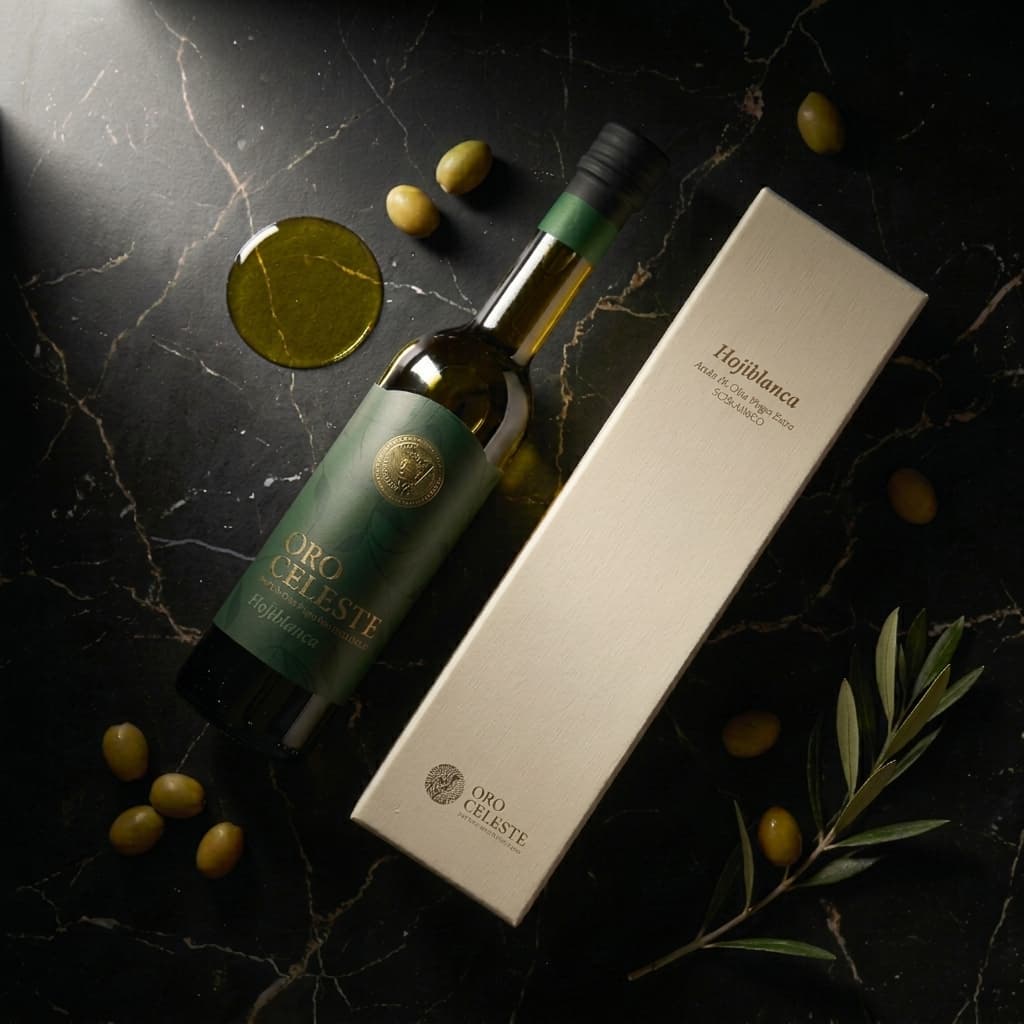
ORO CELESTE Ojiblanca — 0.16% acidity, 600+ mg/kg polyphenols — brings a layered almond-and-grass character that quietly lifts both the delicacy of raw-meat carpaccio and the fat-rich complexity of a well-built cheeseboard.
Translated from the Korean edition, originally published July 10, 2026 · read the original
The Flavour Language of Ojiblanca
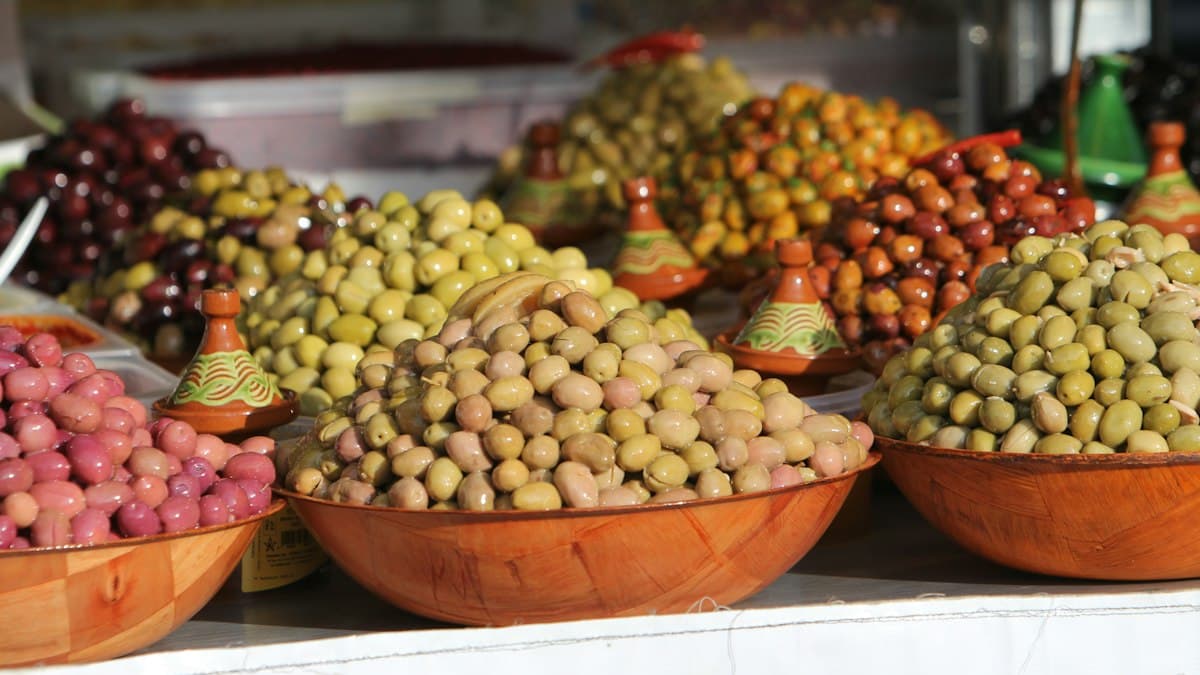
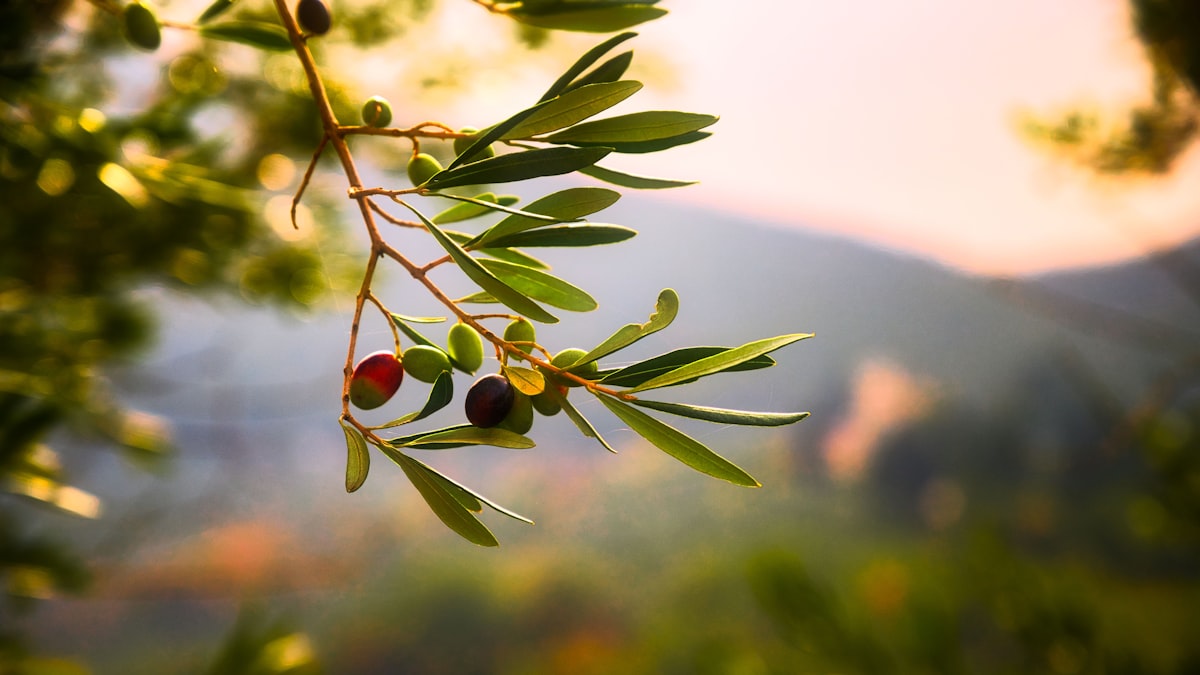
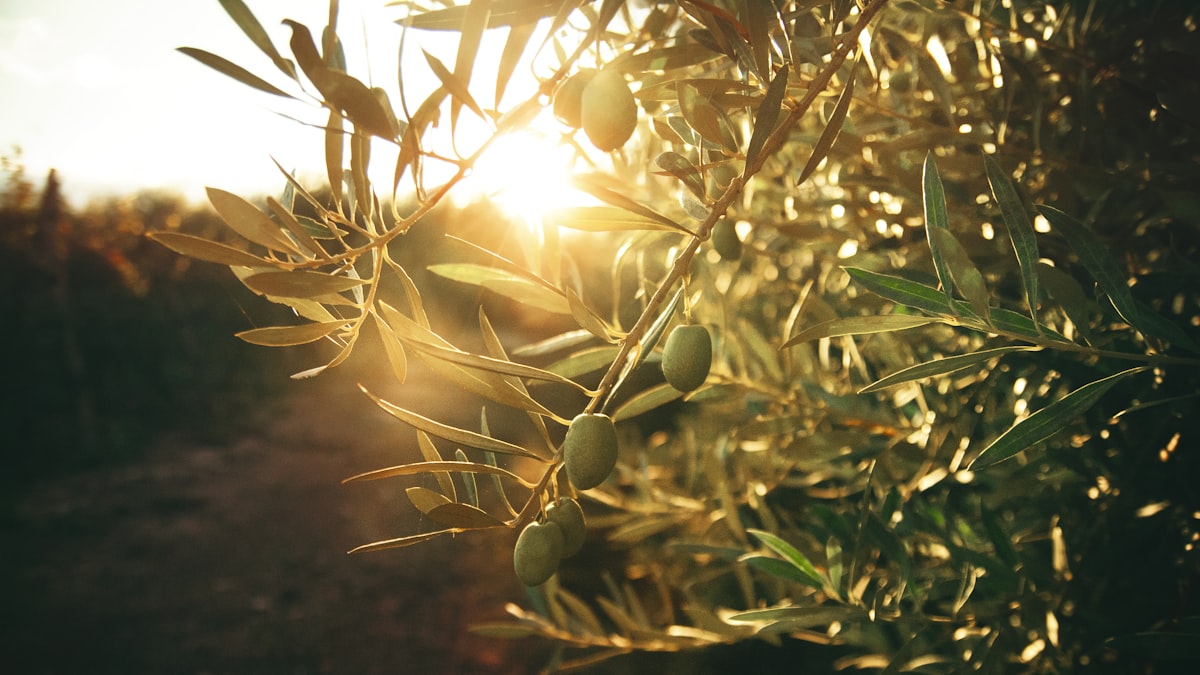
Grown on the limestone soils around Lucena and Cabra in southern Andalusia, Ojiblanca occupies a distinctive position among Spanish olive cultivars. Right after harvest it leads with vivid green-grass aromas and a clean nuttiness reminiscent of fresh almond; given time, those notes give way to ripe tomato and dried fig. That layered structure is precisely what allows Ojiblanca to accompany delicate dishes without overwhelming them.
ORO CELESTE Ojiblanca carries an acidity of 0.16% and a polyphenol content of 600+ mg/kg. According to the International Olive Council (IOC), extra virgin olive oil must measure no more than 0.8% acidity — a threshold ORO CELESTE Ojiblanca sits at roughly one-fifth of. Lower acidity means fewer free fatty acids, and therefore less of the sharp, off-putting background noise that can obscure an oil's natural character. IOC technical documentation has also reported that extra virgin olive oils with higher polyphenol concentrations tend to show relatively greater oxidative stability and longer-lasting flavour.
Carpaccio: Supporting the Subtlety of Raw Ingredients
Carpaccio — thinly sliced raw meat or fish arranged with lemon juice, capers, and shavings of Parmigiano Reggiano — first appeared at Harry's Bar in Venice in the 1950s. It is a dish that depends entirely on ingredient freshness and the quality of the finishing oil. Because there is no cooking, the olive oil lands on the palate unmediated; any off-note in the oil will immediately overshadow the clean flavour of the meat or fish beneath it.
Ojiblanca's low acidity and its soft spectrum of almond and grass make it well suited to that role. On a beef carpaccio, the bitterness of rocket meets the oil's almond note and extends the finish. On salmon or tuna carpaccio, chefs commonly report that the fish's natural fat is moderated by the oil's green character, tidying any lingering fishiness from the aftertaste.
The practical approach is straightforward. Add the oil after all other elements are plated. Pour directly from the bottle in a fine, continuous line — spooning tends to create pools. Apply the lemon juice first, allowing it to penetrate the surface of the meat or fish, then finish with the oil. That sequence helps preserve distinct flavour layers rather than letting everything merge at once.
The Cheeseboard: A Conversation Between Fat and Polyphenols
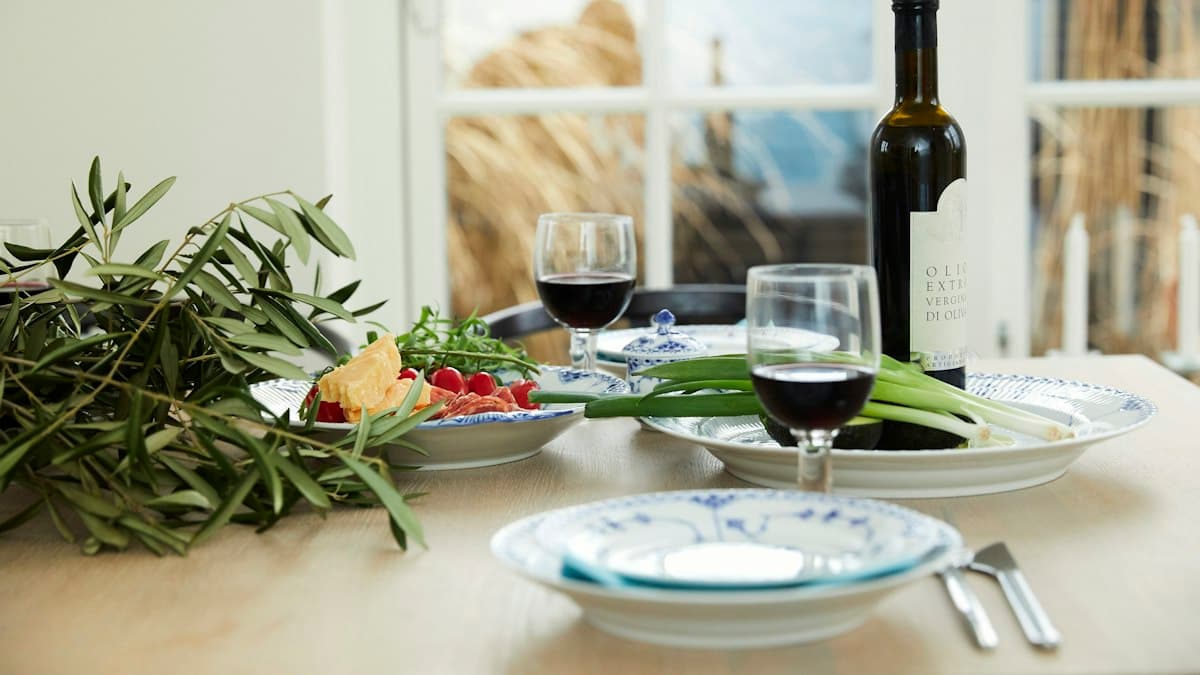
One principle guides olive oil choices for a cheeseboard: a rich, fatty ingredient calls for an oil with enough edge and complexity to balance it. Hard, salty cheeses such as Manchego and Pecorino find their counterpart in the mild, trailing bitterness of Ojiblanca — the light pungency associated with oleocanthal-type polyphenols. That contrast acts as a palate reset, clearing the way for the next bite.
Softer, creamier cheeses like Brie or Camembert bring out the fruitier side of Ojiblanca instead. The dairy fat wraps around the oil's grass notes, softening them, and if fig jam or honey is on the board, the sweetness in the oil's background becomes noticeably more present. According to food culture materials published by Spain's trade promotion body ICEX, high-polyphenol extra virgin olive oils are frequently cited as an element that adds flavour complexity when paired with aged cheeses.
There are two natural ways to bring Ojiblanca to a cheeseboard. The first is to pour the oil into a small dish alongside crackers or sliced baguette as a dipping element. The second is to drizzle a few drops directly onto a semi-firm cheese, then finish with flaky salt and a fresh herb. In the second approach the oil coats the cheese surface, holding the aroma in place longer as the board is passed around.
Notes for Plating
A shared principle applies to both dishes: add the oil last. When polyphenols and aromatic compounds never encounter heat, they arrive intact on the palate. Storage matters equally — once a bottle is opened, keep it away from light and heat sources. Using it within six to eight weeks of opening is the general recommendation for maintaining its flavour.
In dishes where the oil is the explicit finishing element — carpaccio, a cheeseboard — the condition of the bottle itself becomes part of the equation. Flavour deterioration in olive oil is understood to be driven mainly by oxygen exposure and ultraviolet light; dark glass or tin packaging is structurally better suited to slowing that process than clear glass.
Ojiblanca's strength as a finishing oil lies in its restraint. Rather than imposing itself on a dish, it moves with the texture of the ingredients, raising the overall register of the table without announcing itself. The moment a cook becomes deliberate about which oil closes a plate of carpaccio or anchors a cheeseboard, the meal acquires a layer of intention that guests notice — even if they cannot name exactly what changed.
Frequently asked questions
- Why is Ojiblanca a good olive oil for carpaccio?
- Ojiblanca's low acidity (0.16% in ORO CELESTE) means there is little free-fatty-acid interference, so the oil's almond and fresh-grass notes sit cleanly alongside raw beef or fish without masking their natural flavour. Its moderate bitterness also complements the peppery edge of rocket.
- How do you drizzle olive oil on carpaccio without pooling?
- Apply the lemon juice first so it can penetrate the surface of the meat or fish, then finish with the oil. Pour directly from the bottle in a thin, continuous line rather than spooning it on — spooning tends to create puddles that overwhelm individual bites.
- Which cheeses pair best with a high-polyphenol Ojiblanca?
- Hard, salty cheeses such as Manchego and Pecorino work well with the mild bitterness that comes from Ojiblanca's oleocanthal-type polyphenols, which act as a palate reset between bites. Creamy cheeses like Brie or Camembert let the oil's ripe-fruit side come forward, especially when fig jam or honey is on the board.
- Can you heat Ojiblanca oil, or should it only be used as a finishing oil?
- Ojiblanca can handle moderate heat, but in dishes like carpaccio and cheeseboards — where the oil is the final element and never touches a hot pan — its polyphenols and aromatic compounds are preserved in full. For these applications, always add the oil last.
- How long does an open bottle of Ojiblanca stay at its best?
- The general recommendation is to use an opened bottle within six to eight weeks. Flavour degradation in extra virgin olive oil is driven primarily by oxygen exposure and UV light, so store the bottle away from heat and direct light. Dark glass or tin packaging offers better protection than clear glass.
Related reading
- Ciabatta, Sourdough, Focaccia: Matching Bread Character to Olive Oil Intensity
Ciabatta, sourdough, and focaccia each bring a distinct fermentation profile, crumb structure, and crust to the table. Matching olive oil intensity to bread character lets both ingredients amplify each other rather than compete.
- Guacamole, Tacos, and Olive Oil: A Pairing That Goes Back Centuries
From sixteenth-century Spanish missionaries to modern Latin kitchens in Mexico City, New York, and Los Angeles, extra virgin olive oil has long had a place at the Mexican table. This guide traces the history and explores how chefs are using it today.
- Butter Country No More: How Scandinavia Learned to Cook with Olive Oil
Olive oil is reshaping Nordic kitchens — from Copenhagen's Michelin-starred restaurants to Swedish home pantries. This guide traces how EVOO found its place alongside smoked fish, fermented rye, and root vegetables in one of the world's most distinctive food cultures.
- Soy, Gochujang, Doenjang: Ratio Guides for Korean Jang Dressings with Extra Virgin Olive Oil
Combining extra virgin olive oil with Korea's fermented jang pastes opens unexpected flavor territory — but the ratios matter. This guide breaks down the optimal oil-to-jang proportions for soy sauce, gochujang, and doenjang, with practical applications for each.
- The Mediterranean Art of Oil Poaching Fish: Ratios, Temperatures, and Cultivar Pairings
Oil poaching — gently cooking fish submerged in olive oil at low heat — is a cornerstone technique of Mediterranean kitchens. This guide covers everything from choosing the right EVOO to precise temperature ranges and the oil ratios that make the difference.
- Hummus, Shakshuka, Sabich: How Israeli Cooking Uses Olive Oil at Every Layer
From the finishing pour on hummus to the base of a shakshuka and the layered construction of a sabich, olive oil functions as a primary ingredient on the Israeli table — not a neutral medium. This guide traces how Levantine culinary tradition treats the oil itself as the point.
Tags
- ojiblanca
- food pairing
- carpaccio
- cheeseboard
- extra virgin olive oil
- finishing oil