Table
Picual on the Plate: Pairing ORO CELESTE with Steak, Roasted Vegetables, and Gazpacho
With acidity at 0.20% and polyphenols above 800 mg/kg, ORO CELESTE Picual is the most intense oil in the lineup. This pairing guide traces how its pepper heat and bitter edge sharpen red meat, roasted vegetables, and the cold soups of Andalusia.
Translated from the Korean edition, originally published July 14, 2026 · read the original
What Kind of Cultivar Is Picual?
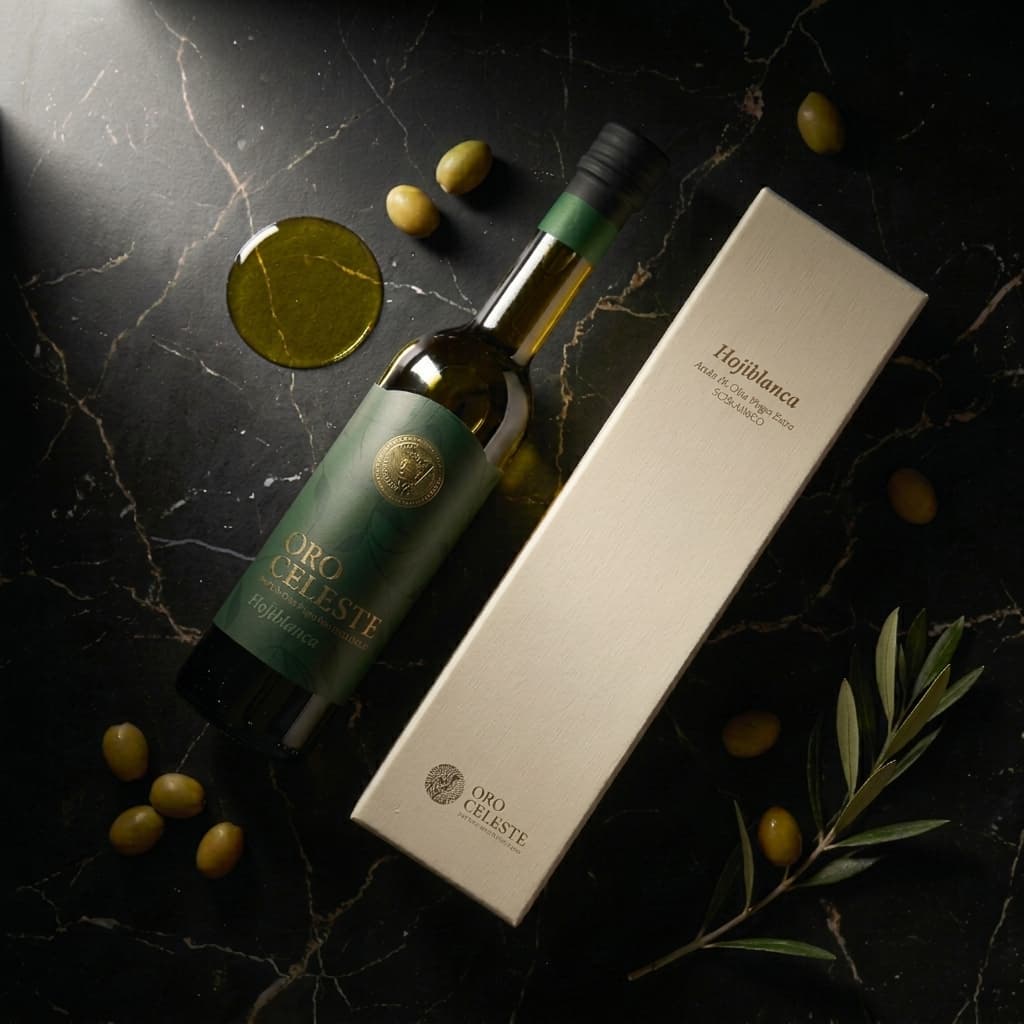
Picual is the defining olive variety of Jaén, in Spain's Andalusia region, and one of the most widely planted cultivars on earth. According to data from the International Olive Council (IOC), more than 50 percent of Spain's olive-growing area is planted with Picual — a dominance unmatched by any other single variety.
Its most recognizable traits are an intense pepper heat, a clear bitter note, and a herbal, grassy aroma. That complex flavor profile is rooted in Picual's exceptionally high concentration of phenolic compounds. ORO CELESTE's Picual records an acidity of 0.20% and polyphenol levels above 800 mg/kg — the boldest flavor and the highest antioxidant content of the three cultivars in the lineup.
High polyphenol content is also linked to oxidative stability. According to a European Food Safety Authority (EFSA) review, hydroxytyrosol and tyrosol-class phenolic compounds found in olive oil have been reported to help protect blood lipids from oxidative stress. This is associated with a balanced diet overall and does not imply prevention or treatment of any specific condition.
Pairing with Steak — the Finishing Drizzle
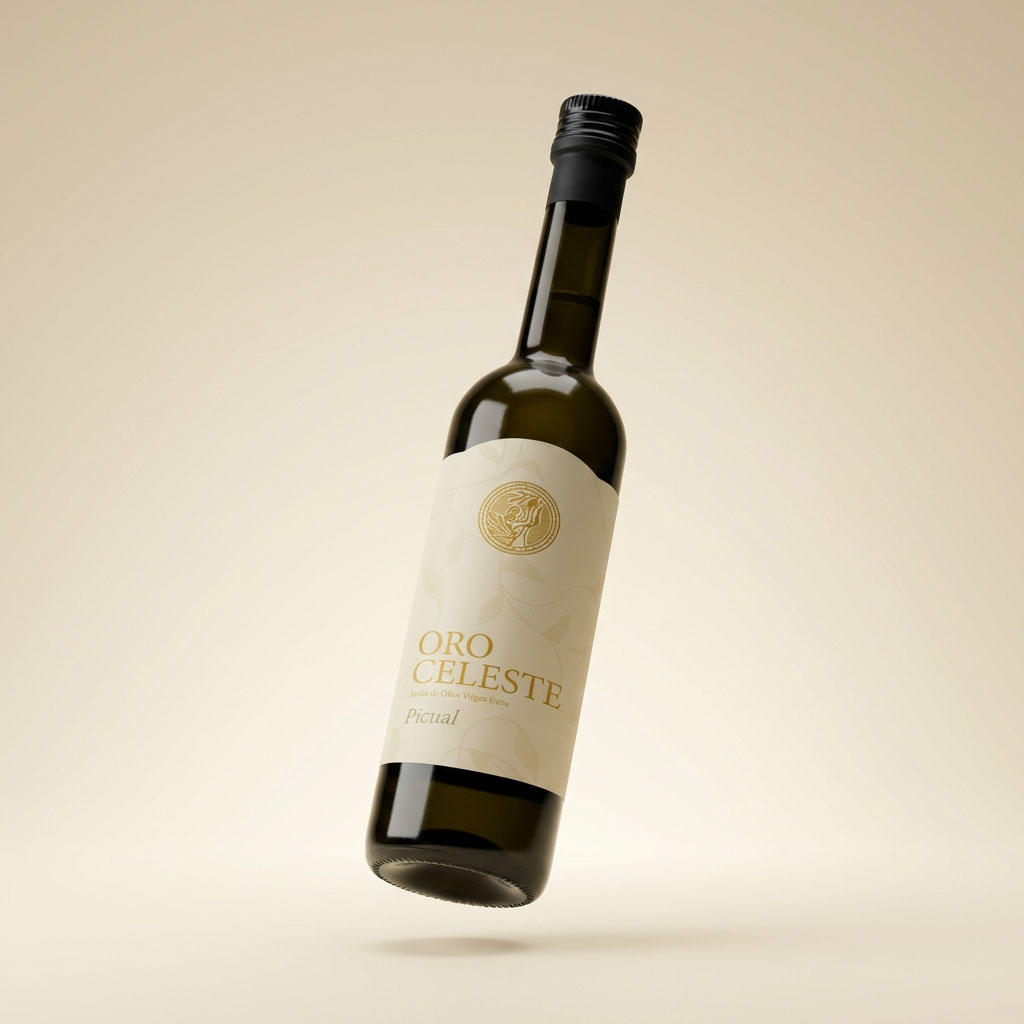
Drizzling olive oil over steak is a long-standing practice in Mediterranean cooking, and the key is timing: not during cooking, but at the finish. In the two-to-three minutes a steak rests after leaving the pan, a light drizzle of Picual delivers its full aromatic range without the heat-driven loss that occurs over a direct flame.
Picual's pepper heat and bitter edge contrast with the savory depth of red meat, adding dimension to every bite. A pinch of flake salt and a thread of Picual is often all that is needed to let the meat's own flavor come forward — no sauce required. With dry-aged steak, where the beef character is already pronounced, a bold Picual acts as a counterweight that keeps the overall profile in balance.
For a marinade, combine Picual, garlic, and rosemary and coat the meat at least 30 minutes — and up to two hours — before cooking. Bear in mind that some polyphenols will break down under high pan heat, so if preserving flavor is the priority, the finishing drizzle remains the recommended approach.
Pairing with Roasted Vegetables — Bitterness That Brings Out Sweetness
Roasting vegetables triggers Maillard reactions and caramelization, generating natural sweetness from the sugars within. That sweetness and Picual's bitterness and pepper heat meet as complementary opposites, producing a balance that neither ingredient achieves alone.
A practical starting point: roast red bell peppers, eggplant, and zucchini in a 230°C oven for about 25 minutes, then drizzle Picual generously the moment the tray comes out. The residual heat gently warms the oil, opening its aromas without cooking off the volatile compounds. Fleur de sel and a little lemon zest complete a straightforward Mediterranean roasted-vegetable platter.
Cherry tomatoes roasted alongside benefit too — Picual's green herbal aroma plays against the tomatoes' acidity and produces a more layered result. Bitter greens such as arugula are another strong partner: Picual's bitterness and arugula's bitterness stack in a way that, counterintuitively, makes both feel more resolved rather than overwhelming.
Pairing with Gazpacho — the Oil Layer in a Cold Soup
Gazpacho is the traditional cold soup of Andalusia, built from tomatoes, cucumber, bell pepper, garlic, bread, vinegar, and olive oil, blended and served chilled. Olive oil is not a garnish here — it is a structural ingredient, and the choice of cultivar changes the character of the finished dish.
Picual is a particularly strong match for gazpacho. During blending, the oil emulsifies into the soup and gives it a creamy body; Picual's powerful aroma then contrasts sharply with the tomatoes' acidity, creating a more vivid overall flavor. A standard recipe for four people calls for approximately 80–100 ml of oil, poured in gradually at high blender speed to encourage emulsification.
At serving, a thin finishing line of Picual across the surface adds visual sheen and creates a separate aromatic layer — the pepper heat registers with the very first sip before the cold soup flavors follow. This finishing technique is used in a number of Michelin-recognized restaurants in Spain.
The Core Principle Behind Picual Pairings
When deciding whether Picual is the right oil for a dish, the reliable rule is to match intensity with intensity. Because Picual's flavor is so assertive, delicate preparations — white-fish carpaccio, fresh burrata — are often better served by a softer cultivar such as Ojiblanca or Sibarita.
For red meat, aged cheese, dishes built on rich sauces, and the tomato-based cooking of the Mediterranean, Picual is an excellent choice. Its high polyphenol content enhances the flavors around it and, according to available research, maintains a meaningful level of antioxidant compounds even after the dish is finished.
On storage: keep Picual away from direct sunlight and heat. The International Olive Council (IOC) storage guidelines identify oxidation and photo-oxidation as the leading causes of flavor degradation in olive oil. Once opened, store ORO CELESTE Picual in a cool, dark place and use it within 60 days to enjoy it at its best.
Frequently asked questions
- Why is Picual olive oil so bitter and peppery?
- Picual's pronounced bitterness and pepper heat come from its naturally high concentration of phenolic compounds. ORO CELESTE Picual measures above 800 mg/kg polyphenols, among the highest of any cultivar in commercial production, and that phenolic richness is the direct source of its sharp, green-herb aroma and lingering finish.
- Should I cook with Picual olive oil or use it as a finishing oil?
- Both are valid, but for the best flavor return, finishing is preferred. Drizzling Picual over a steak during the two-to-three-minute resting period, or over vegetables straight from the oven, delivers the full aromatic profile without heat-driven loss. If you use it in a marinade, add it at least 30 minutes to two hours before cooking, and note that some polyphenols will break down under high pan heat.
- What foods pair best with Picual EVOO?
- The guiding principle is intensity matching. Picual's strong flavor holds its own against red meat, aged cheeses, rich tomato-based dishes, and the smoky sweetness of oven-roasted vegetables. Lighter preparations — white-fish carpaccio, fresh burrata — are generally better served by a milder cultivar such as Ojiblanca or Sibarita.
- How much olive oil goes into a traditional gazpacho recipe?
- A standard Andalusian gazpacho for four people calls for roughly 80–100 ml of olive oil. It is added gradually while blending at high speed so that it emulsifies into the soup, giving the finished dish a creamy body. A thin finishing drizzle of Picual added at serving creates a separate aromatic layer that is noticed with the first sip.
- How should I store Picual olive oil after opening?
- Keep it away from direct light and heat. The International Olive Council (IOC) storage guidelines identify oxidation and photo-oxidation as the primary drivers of flavor loss in olive oil. Once opened, store ORO CELESTE Picual in a cool, dark place and use it within 60 days for the fullest flavor.
Related reading
- Ciabatta, Sourdough, Focaccia: Matching Bread Character to Olive Oil Intensity
Ciabatta, sourdough, and focaccia each bring a distinct fermentation profile, crumb structure, and crust to the table. Matching olive oil intensity to bread character lets both ingredients amplify each other rather than compete.
- Guacamole, Tacos, and Olive Oil: A Pairing That Goes Back Centuries
From sixteenth-century Spanish missionaries to modern Latin kitchens in Mexico City, New York, and Los Angeles, extra virgin olive oil has long had a place at the Mexican table. This guide traces the history and explores how chefs are using it today.
- Butter Country No More: How Scandinavia Learned to Cook with Olive Oil
Olive oil is reshaping Nordic kitchens — from Copenhagen's Michelin-starred restaurants to Swedish home pantries. This guide traces how EVOO found its place alongside smoked fish, fermented rye, and root vegetables in one of the world's most distinctive food cultures.
- Soy, Gochujang, Doenjang: Ratio Guides for Korean Jang Dressings with Extra Virgin Olive Oil
Combining extra virgin olive oil with Korea's fermented jang pastes opens unexpected flavor territory — but the ratios matter. This guide breaks down the optimal oil-to-jang proportions for soy sauce, gochujang, and doenjang, with practical applications for each.
- The Mediterranean Art of Oil Poaching Fish: Ratios, Temperatures, and Cultivar Pairings
Oil poaching — gently cooking fish submerged in olive oil at low heat — is a cornerstone technique of Mediterranean kitchens. This guide covers everything from choosing the right EVOO to precise temperature ranges and the oil ratios that make the difference.
- Hummus, Shakshuka, Sabich: How Israeli Cooking Uses Olive Oil at Every Layer
From the finishing pour on hummus to the base of a shakshuka and the layered construction of a sabich, olive oil functions as a primary ingredient on the Israeli table — not a neutral medium. This guide traces how Levantine culinary tradition treats the oil itself as the point.
Tags
- picual
- food pairing
- extra virgin olive oil
- gazpacho
- steak
- roasted vegetables