Table
Arbequina, Picual, Hojiblanca, Koroneiki: A Beginner's Guide to Olive Oil Cultivars
Flavor in olive oil begins with the cultivar. From Arbequina's soft fruitiness to Picual's bold bite, Hojiblanca's balance, and Koroneiki's herbal intensity—this guide maps the personality of each variety and the dishes that suit it best.
Translated from the Korean edition, originally published July 31, 2026 · read the original
Cultivar Is Flavor
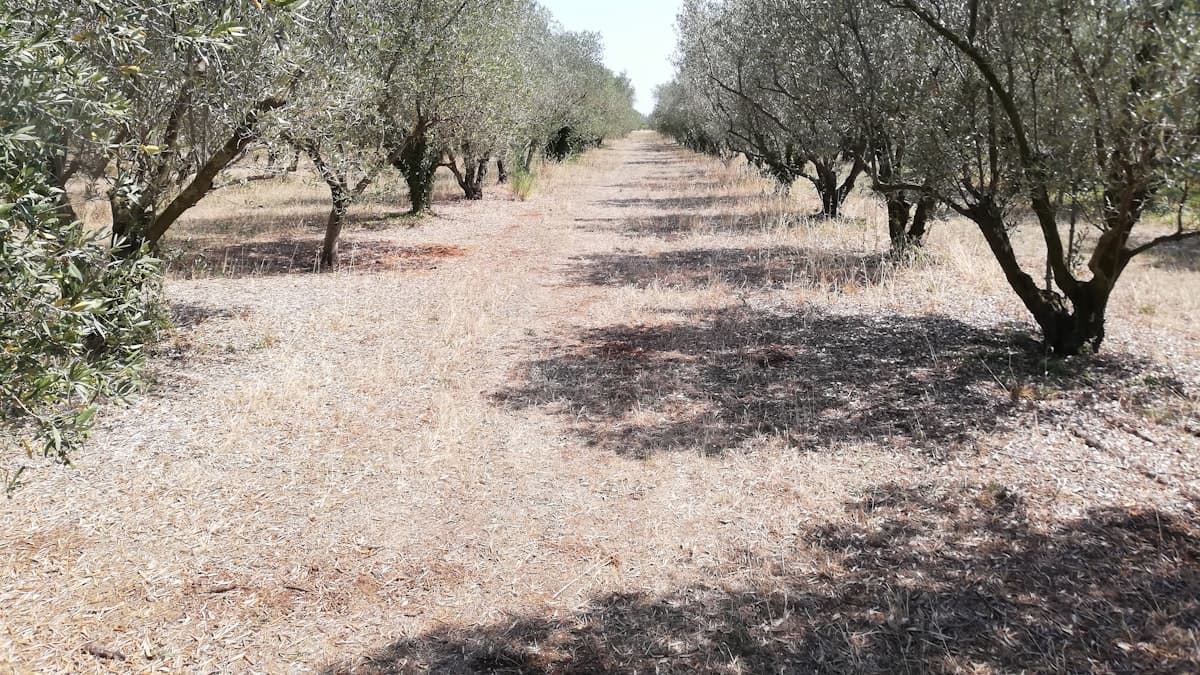
Just as wine begins with the grape variety, olive oil begins with the olive cultivar. According to the International Olive Council (IOC), more than 1,000 olive varieties have been catalogued worldwide, with dozens carrying commercial significance. Even two bottles both labeled Spanish extra-virgin can look, smell, and taste completely different depending on whether they were pressed from Arbequina or Picual fruit. Choosing by cultivar is one of the quickest ways to navigate a crowded shelf and find what actually suits your palate.
According to IOC data, global olive oil production in the 2022/23 season reached approximately 3.2 million tonnes, with Spain, Italy, and Greece together accounting for more than 75 percent of total output. The leading cultivars from those three countries—Arbequina, Picual, and Hojiblanca from Spain; Koroneiki from Greece—are the four varieties this guide covers.
Arbequina — Smooth, Round, and Easy to Love
Arbequina originated in the Catalonia region of Spain and is now among the most widely planted cultivars in emerging production areas including Argentina, Chile, and California. Its small fruit size and suitability for mechanical harvesting have helped it spread quickly across modern, high-density orchards.
In terms of flavor, Arbequina fits the description "beginner-friendly" better than almost any other cultivar. Fresh apple, almond, and banana dominate the aromatic profile, while bitterness and pungency register at the lower end of the scale. Polyphenol levels are generally lower than those of other major cultivars. Researchers have reported that the oleic acid content of Arbequina oil typically falls in the range of 65–75 percent, and acidity levels in certified extra-virgin examples remain within IOC limits.
Pairs well with: Salad dressings, emulsified sauces such as mayonnaise and aioli, finishing drizzles over vanilla ice cream, and fish carpaccio.
Picual — Bold, Distinctive, Spain's Dominant Cultivar
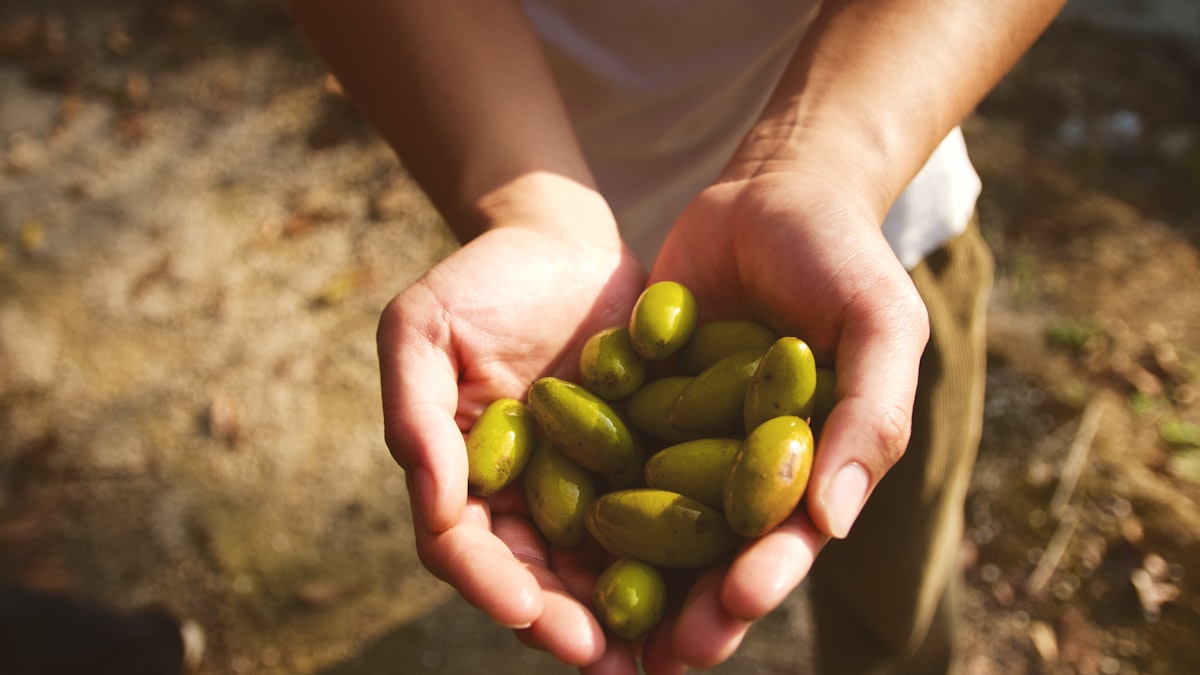
Picual is centered on the Jaén province of Andalusia and, according to IOC statistics, covers more than half of Spain's total olive-growing area—making it the single most widely planted cultivar in the world by production volume.
Picual's defining characteristic is its high polyphenol content. Research published by Spain's National Institute for Agricultural and Food Research and Technology (INIA) has reported cases where early-harvest Picual oils measured markedly higher total polyphenol counts than other major cultivars. On the palate, ripe tomato, fig, and herbs lead, followed by pronounced bitterness and a sharp peppery sensation at the back of the throat. Its high oxidative stability makes it well regarded for cooking at higher temperatures.
Pairs well with: Strongly seasoned grilled meats, traditional Spanish soups such as gazpacho and salmorejo, aged-cheese marinades, and pasta sauces where a robust oil flavor is welcome.
Hojiblanca — Balance and Complexity in a Single Bottle
Hojiblanca's home territory spans the Córdoba and Málaga provinces of Spain. Its name translates as "white leaf," a reference to the silver-white underside of the foliage. The cultivar is prized by careful producers partly because its flavor profile can shift meaningfully with harvest timing and milling method—offering considerable creative range.
The sensory profile sits in a rewarding middle ground: fresh grass, almond, and artichoke on the nose, with medium bitterness and a gentle peppery finish. It is more assertive than Arbequina but more accessible than Picual. Polyphenol levels frequently fall between those two cultivars. Premium Hojiblanca oils are often noted as meeting the European Food Safety Authority (EFSA) polyphenol health-claim threshold recognized in 2012—250 mg/kg or more when consumed at 20 g per day—though this varies by producer and harvest date.
Pairs well with: Finishing over roasted vegetables, Mediterranean legume dishes, white-fish bakes, and ricotta bruschetta.
Koroneiki — Greece's Pride, the Essence of Herbal Intensity
Koroneiki originates from the Peloponnese peninsula and, according to industry data, accounts for more than half of Greece's olive-growing area. The fruit is exceptionally small, yielding less oil per kilogram of olives, but that concentration translates into intense flavor and high polyphenol counts. According to figures cited by the Greek Olive Oil association, Koroneiki oils have consistently performed strongly in international quality competitions.
The aromatic signature is unmistakably herbal: fresh rosemary, thyme, artichoke, and green grass combine into a complex green-herb profile. Both bitterness and pungency are strong, and first-time tasters sometimes find the throat sensation striking. That sensation has been associated in research with oleocanthal, a naturally occurring phenolic compound found in extra-virgin olive oil.
Pairs well with: Greek horiatiki (village salad), lamb marinades, feta cheese and olive combinations, and dipping with herbed bread.
Choosing the Right Cultivar for You
The central question when choosing a cultivar is simply: how much bitterness and pungency do you enjoy? The lower those two attributes register, the more approachable the oil tends to be for newcomers; the higher they register, the more likely the oil is to carry elevated polyphenol levels.
Along that intensity spectrum, Arbequina sits at the mild end, Hojiblanca occupies the middle range, and both Koroneiki and Picual hold the stronger positions. For anyone just beginning to explore extra-virgin olive oil, starting with Arbequina, then moving to Hojiblanca, and eventually trying Koroneiki or Picual is an efficient way to map your own preferences.
By use, Arbequina and Hojiblanca shine as finishing oils poured raw over food at the table. Picual's oxidative stability makes it the stronger candidate for cooking with heat or pairing with bold seasonings. Koroneiki's herbal intensity is best showcased in salads and classic Greek or broader Mediterranean preparations.
Harvest timing matters within any cultivar as well. Early-harvest oil from the same variety will show more green, grassy character, greater bitterness, and higher polyphenol levels than oil pressed from fully ripe fruit, which tends to be softer and more fruit-forward.
Getting into the habit of reading labels helps too. Single-varietal bottles—those that name one cultivar rather than blending several—offer the clearest, most direct way to experience each variety's personality, and they make the best starting point for building a sense of what each cultivar actually tastes like.
Frequently asked questions
- What is the difference between Arbequina and Picual olive oil?
- Arbequina produces a mild, fruity oil with relatively low bitterness and pungency, making it approachable for newcomers. Picual, grown mainly in Andalusia, delivers much higher polyphenol levels, a stronger bitter finish, and a sharp peppery sensation at the back of the throat—along with greater oxidative stability that suits high-heat cooking.
- Which olive oil cultivar has the highest polyphenol content?
- Among the four cultivars covered here, Picual is most commonly associated with the highest polyphenol levels—particularly when olives are harvested early. Research reported by Spain's National Institute for Agricultural and Food Research and Technology (INIA) has documented notably high total polyphenol counts in early-harvest Picual oils compared to other major varieties. Koroneiki also tends toward high polyphenol concentrations for similar reasons.
- What does Hojiblanca olive oil taste like?
- Hojiblanca offers a middle-ground profile: fresh grass, almond, and artichoke on the nose, followed by medium bitterness and a soft peppery finish. It is more assertive than Arbequina but more approachable than Picual, and its flavor can shift considerably depending on harvest date and processing method—one reason small-batch producers prize it.
- Is Koroneiki olive oil good for cooking?
- Koroneiki is best appreciated unheated, where its complex herbal notes—rosemary, thyme, artichoke, fresh grass—can come through fully. Its strong bitterness and pungency, associated in research with high oleocanthal content, make it particularly well suited to Greek-style salads, lamb marinades, and dishes where the oil is a featured flavor rather than a background fat.
- Which olive oil cultivar should a beginner start with?
- Arbequina is the standard starting point: its mild fruit-forward character (apple, almond, banana) and low bitterness make it easy to enjoy straight. From there, Hojiblanca is a natural next step, followed by Koroneiki or Picual for those who want to explore stronger, more polyphenol-rich oils. Single-varietal bottles labeled with the cultivar name offer the clearest way to taste each profile side by side.
Related reading
- The Mediterranean Art of Oil Poaching Fish: Ratios, Temperatures, and Cultivar Pairings
Oil poaching — gently cooking fish submerged in olive oil at low heat — is a cornerstone technique of Mediterranean kitchens. This guide covers everything from choosing the right EVOO to precise temperature ranges and the oil ratios that make the difference.
- Butter Country No More: How Scandinavia Learned to Cook with Olive Oil
Olive oil is reshaping Nordic kitchens — from Copenhagen's Michelin-starred restaurants to Swedish home pantries. This guide traces how EVOO found its place alongside smoked fish, fermented rye, and root vegetables in one of the world's most distinctive food cultures.
- California vs. European Olive Oil: How Origin Shapes Flavor
California has spent three decades building a serious olive oil industry, but the state's climate, cultivar mix, and harvesting philosophy produce a flavor profile that differs meaningfully from Mediterranean benchmarks. Here is what those differences actually mean at the bottle.
- Egg Salad Without Mayonnaise: A Ratio Guide to EVOO Dressing
An extra virgin olive oil base can replace mayonnaise in egg salad entirely — yielding a cleaner, brighter flavor with a lighter texture. This guide covers the core oil-to-acid ratio, cultivar-by-cultivar flavor differences, and practical tips for texture and storage.
- Spain's Top EVOO Estates: A Guide to the Names That Keep Winning
Not all single-estate Spanish olive oils occupy the same tier. From Jaén and Granada to the Tabernas Desert and Extremadura, this guide maps the Spanish houses that international competition judges and critic guides return to year after year.
- Spain, Italy, Greece: How the Three EVOO Heartlands Taste Different
Spain, Italy, and Greece together account for more than 80 percent of the world's extra virgin olive oil, according to the International Olive Council — yet the flavors they produce could hardly be more distinct.