Table
Novello: Italy's New-Harvest Olive Oil and Why It Only Lasts a Few Weeks
Every October and November, Italian producers rush their earliest-pressed extra virgin olive oil to market under the name Novello. Intensely aromatic, brief in season, and unlike anything bottled the rest of the year, it has become one of the olive oil world's most anticipated annual rituals.
Translated from the Korean edition, originally published July 8, 2026 · read the original
What Novello Actually Is
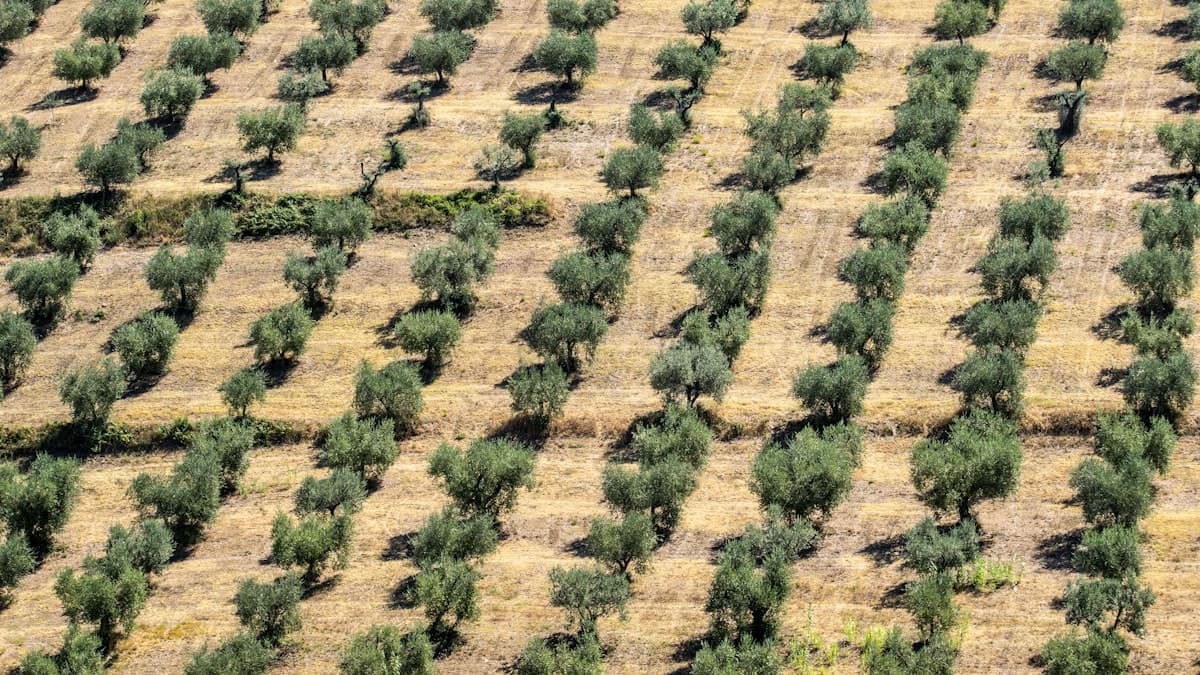
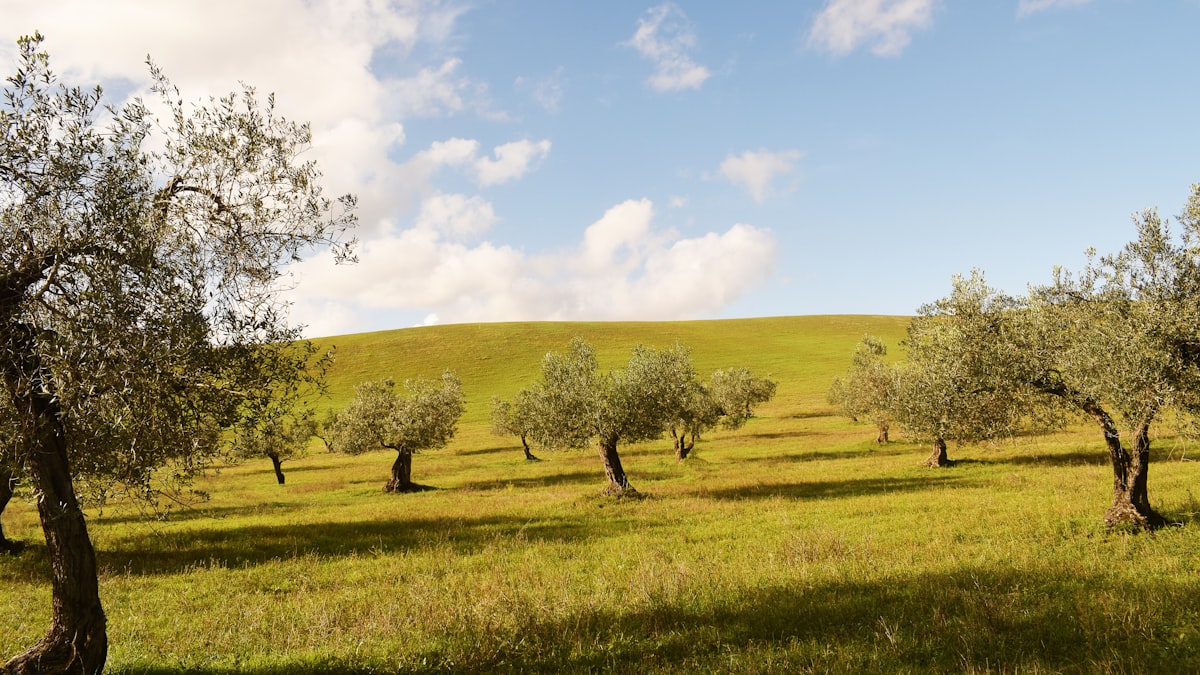
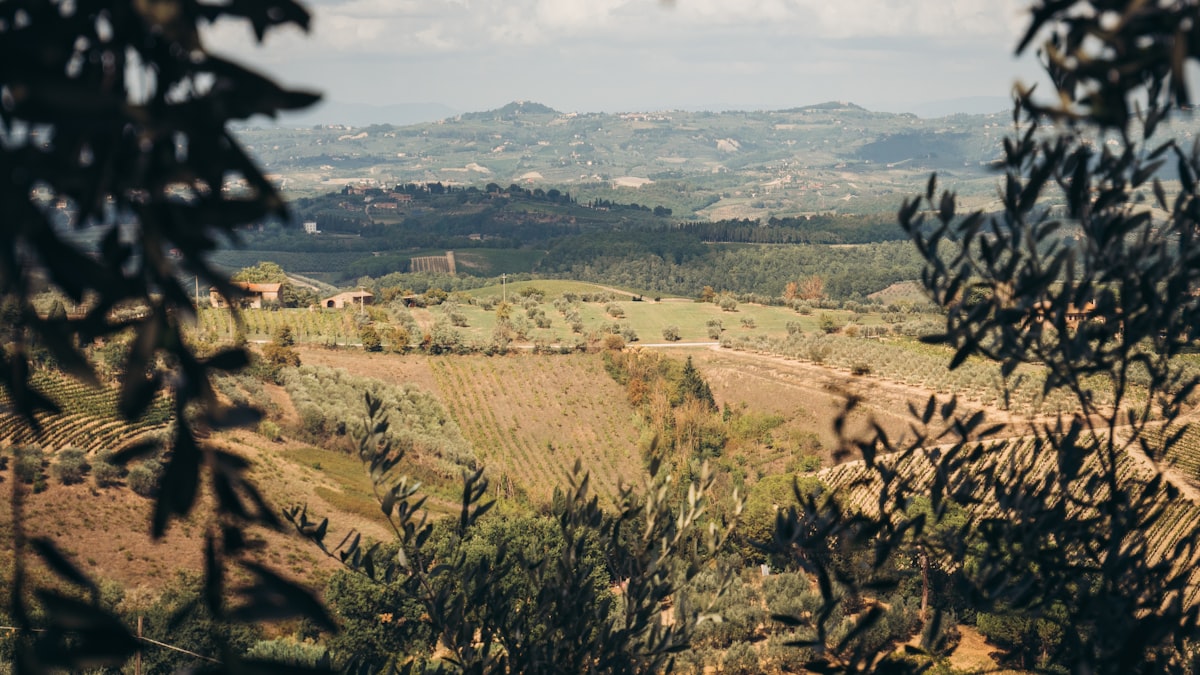
The olive oil world has its own equivalent of Beaujolais Nouveau. Novello — from the Italian for "new" or "young" — is the name given to extra virgin olive oil pressed and bottled from that year's earliest harvest, typically appearing on the market between mid-October and late November. Across Italy's olive-growing regions — Tuscany, Umbria, Puglia, Sicily — producers compete to release the first bottles of the season.
Strictly speaking, Novello is not a legally defined grade; it is a customary and commercial designation. According to data from Italy's Ministry of Agricultural, Food and Forestry Policies (MiPAAF), some regions do operate their own production rules for the Novello label, with minimizing the time between harvest and bottling as a central requirement. Many producers go further, specifying that the olives must pass through cold extraction within 24 hours of picking.
The Flavor Profile of Novello
First-time tasters almost always remark on the intensity. Compared with a standard extra virgin olive oil, Novello shows a noticeably greener gold color and delivers powerful aromas of fresh grass, artichoke, apple peel, and herbs. The pungency and bitterness that linger at the back of the throat are equally vivid. According to the International Olive Council's sensory evaluation guidelines, both sensations are rooted in phenolic compounds, including oleocanthal and oleacein.
Polyphenol content is another talking point. An IOC quality research report on extra virgin olive oil found that oils pressed from a higher proportion of unripe green olives tend to show measurably higher phenolic concentrations. Because Novello is harvested early and typically includes greener fruit, its initial polyphenol levels tend to be elevated — though it is too early to conclude that this translates into any specific health benefit.
Acidity is also worth noting. Freshly harvested olives have not yet undergone the bruising or fermentation that drives up free fatty acid content, so the acidity of Novello frequently sits well below the 0.8% threshold that defines the extra virgin grade.
Scarcity by the Calendar
Novello's greatest appeal — and its greatest limitation — is a freshness that expires quickly. While standard extra virgin olive oil carries a recommended shelf life of 18 to 24 months when sealed, most Novello producers advise consuming their oil within three to four months of production. The reason is partly counterintuitive: the same high phenolic content that makes the oil so vivid early on can be an early signal of faster oxidation to come. A group of Italian food scientists reporting in the journal Food Chemistry found that oils with higher initial phenolic concentrations may oxidize relatively faster after opening.
That seasonality lifts Novello beyond an ingredient into something closer to a shared culinary event. In Italian rural communities, the release of new oil is marked by Olio Nuovo festivals, where freshly baked bruschetta drenched in Novello is the centerpiece — a tradition that connects producers and eaters around a single, fleeting moment in the harvest calendar.
How to Use Novello
The guiding principle is simple: keep it away from heat and use it as a finishing oil, so the aromatics survive to the plate. Producers consistently suggest the following approaches.
Pour it straight over toasted bread. A generous drizzle of Novello on ciabatta or pain de campagne with a pinch of salt is the most direct way to experience the oil's aroma and bitter edge without interference. Finish a white bean soup with it. A thread of Novello over Tuscan ribollita or fagioli al fiasco lets the herbal, peppery finish play against the richness of the broth — the classic pairing in the regions where the oil is made. Dress raw fish or vegetable salads. With ingredients that are served uncooked, Novello's grassy, fruity character has the clearest room to express itself.
For storage, keep the bottle away from direct light and heat sources, in an opaque or dark glass container. Once open, seal it tightly and aim to finish it within a month.
What to Look for on the Label
Before picking a bottle off the shelf, three details are worth checking. First, a harvest date or milling date: producers who take Novello seriously engrave the month and year on the label. Second, geographic indication — a DOP or IGP certification is the minimum guarantee that the olives came from where the label claims. Third, the cultivar. Even within Italy, the flavor spectrum shifts dramatically by variety: Frantoio and Moraiolo from Tuscany, Coratina from Puglia, Nocellara from Sicily each produce a distinct style of Novello. If you have a flavor preference, the cultivar name is the most useful navigational tool on the label.
The word "Novello" alone is not a quality guarantee. The term has been adopted as a marketing device often enough that it demands scrutiny. Harvest-date transparency, documented cold extraction, and a traceable producer are the practical criteria for finding a Novello worth seeking out.
What Novello Leaves Behind
Novello is the most candid oil in the olive oil world. There is no extended storage, no blending across vintages, no buffer of time to smooth out imperfections — just the state of that year's harvest, pressed and poured. In a good year, that transparency is luminous. In a difficult growing season, there is nowhere to hide. It is precisely that unguarded honesty — available for only a few weeks each year — that keeps olive oil enthusiasts marking their calendars for it, season after season.
Frequently asked questions
- What is Novello olive oil?
- Novello is the Italian term for new-harvest extra virgin olive oil pressed from that season's earliest-picked olives, typically released between mid-October and late November. It is a customary and commercial designation rather than a legally defined grade, though some Italian regions maintain their own production rules for it, according to data from Italy's Ministry of Agricultural, Food and Forestry Policies (MiPAAF).
- How does Novello taste different from regular extra virgin olive oil?
- Novello is markedly more intense. Expect a vivid green-gold color and strong aromas of fresh grass, artichoke, apple peel, and herbs. The pungency and bitterness at the back of the throat are also more pronounced, because those sensations come from phenolic compounds such as oleocanthal and oleacein, as explained in the International Olive Council's sensory evaluation guidelines.
- Does Novello have more polyphenols than regular olive oil?
- Generally, yes. An IOC quality research report on extra virgin olive oil found that oils pressed from a higher proportion of unripe green olives tend to show measurably higher phenolic concentrations. Because Novello is harvested early and often includes greener fruit, its initial polyphenol levels are typically elevated — though it is too early to conclude that this translates into specific health outcomes.
- How long does Novello olive oil last?
- Most producers recommend consuming Novello within three to four months of production — significantly shorter than the 18–24-month recommended window for standard extra virgin olive oil stored sealed. A study published in the journal Food Chemistry by a group of Italian food scientists reported that oils with higher initial phenolic concentrations may oxidize relatively faster after opening.
- What should I check on a Novello label before buying?
- Look for three things: a harvest date or milling date (credible producers print the month and year), a geographic indication such as a DOP or IGP certification guaranteeing the olives' origin, and the cultivar name. In Italy, varieties like Frantoio and Moraiolo from Tuscany, Coratina from Puglia, and Nocellara from Sicily each produce a very different flavor profile in Novello, so knowing the cultivar helps you choose the style you prefer.
Related reading
- Ciabatta, Sourdough, Focaccia: Matching Bread Character to Olive Oil Intensity
Ciabatta, sourdough, and focaccia each bring a distinct fermentation profile, crumb structure, and crust to the table. Matching olive oil intensity to bread character lets both ingredients amplify each other rather than compete.
- Guacamole, Tacos, and Olive Oil: A Pairing That Goes Back Centuries
From sixteenth-century Spanish missionaries to modern Latin kitchens in Mexico City, New York, and Los Angeles, extra virgin olive oil has long had a place at the Mexican table. This guide traces the history and explores how chefs are using it today.
- Butter Country No More: How Scandinavia Learned to Cook with Olive Oil
Olive oil is reshaping Nordic kitchens — from Copenhagen's Michelin-starred restaurants to Swedish home pantries. This guide traces how EVOO found its place alongside smoked fish, fermented rye, and root vegetables in one of the world's most distinctive food cultures.
- Pairing Olive Oil with Wine: A Guide to Matching Aromas, Bitterness, and Texture
Extra virgin olive oils differ markedly in acidity, bitterness, and fruitiness — and each profile calls for a different wine partner. This guide maps those sensory axes to white, red, and natural wines.
- Soy, Gochujang, Doenjang: Ratio Guides for Korean Jang Dressings with Extra Virgin Olive Oil
Combining extra virgin olive oil with Korea's fermented jang pastes opens unexpected flavor territory — but the ratios matter. This guide breaks down the optimal oil-to-jang proportions for soy sauce, gochujang, and doenjang, with practical applications for each.
- Decanting vs. Direct Pour: How You Serve Olive Oil Shapes Its Aroma
Whether to transfer extra virgin olive oil into a decanter or pour straight from the bottle is not merely a matter of style. Oxygen exposure time and temperature shifts both affect the volatile compounds responsible for fresh, complex aroma.
Tags
- novello
- new harvest
- extra virgin olive oil
- italian olive oil
- seasonal evoo