Table
Host a Three-Oil EVOO Tasting at Home: Glasses, Temperature, and Sequence
You don't need an IOC sensory panel to compare extra virgin olive oils side by side. A guide to choosing three bottles, setting up the right glass and temperature, running the tasting sequence, and pairing food between pours.
Translated from the Korean edition, originally published March 18, 2026 · read the original

Few consumers approach extra virgin olive oil the way they would wine — tasting two or three bottles side by side and comparing them deliberately. Intensity labels on the packaging rarely tell you how a particular oil will actually sit on your palate. The most common advice from the culinary world is that a structured comparison is the fastest way to train your taste: put three bottles on the table and let your mouth do the work. A full IOC sensory panel is out of reach for most of us, but a relaxed one-hour session with three or four people at home is entirely doable.
Which Three Oils to Choose
The clearest tastings are organized around a single axis of comparison. The most popular approach is an intensity axis: a mild-style oil such as a Ligurian Taggiasca-type alongside a medium-intensity Sicilian or Koroneiki, and then an intense oil such as an Apulian Coratina or an Andalusian Picual. A cultivar axis is equally instructive — placing three Andalusian monovarietals, Ojiblanca, Sibarita, and Picual, side by side reveals how much character shifts with grape variety alone. A terroir axis keeps intensity roughly constant while varying origin: a Tuscan, an Andalusian, and a Greek Koroneiki at the same intensity tier, for example.
For a first session, experienced tasters most often recommend the intensity axis. The differences are large enough that the palate doesn't lose its bearings, and the progression from mild to intense provides a natural narrative.
Glasses and Temperature
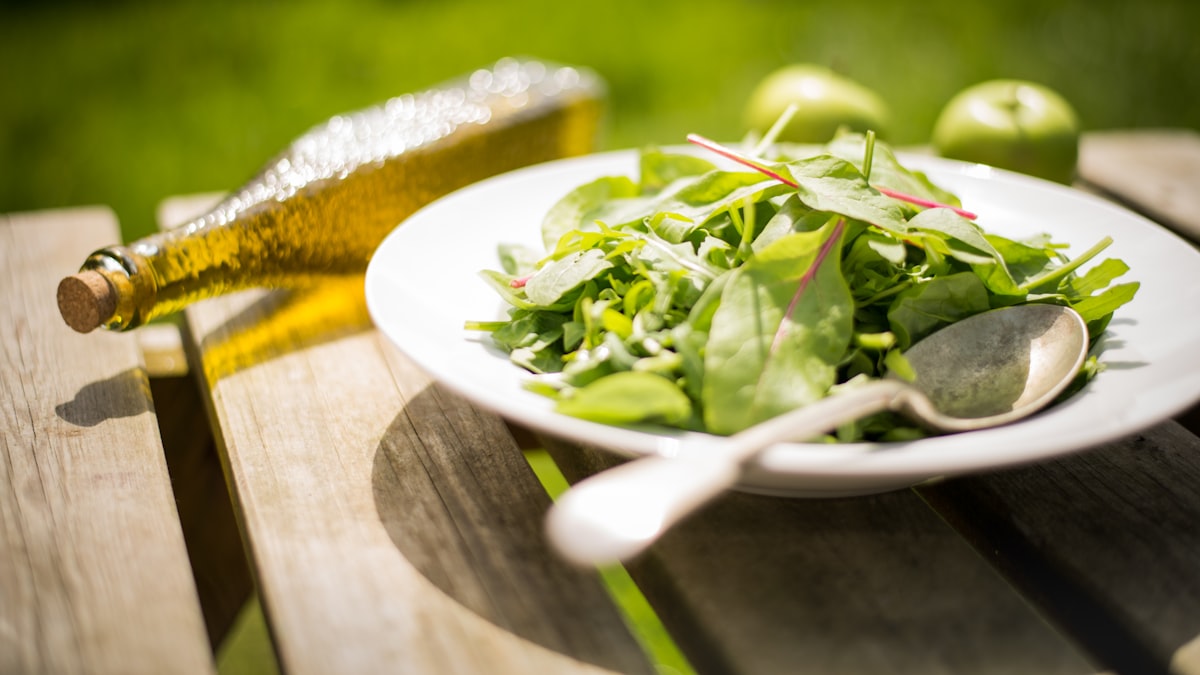
Official IOC sensory panels use a dark blue tumbler-style glass that conceals color and concentrates aroma. At home, a small wine glass or whisky glass works just as well, provided the opening narrows slightly toward the rim to trap the volatile compounds. Food media consistently agree that the shape matters more than the material. Pour approximately 15 ml — about one tablespoon — per sample.
The recommended serving temperature is around 28 °C. No thermometer is necessary: cupping the glass in both palms for thirty seconds or so is generally enough to reach that range from a room-temperature starting point.
The Tasting Sequence: Nose, Mouth, Throat
The method broadly resembles wine tasting, but in EVOO evaluation the throat is where the decisive information lives. A few points to keep in mind before you begin:
Color is not an evaluation criterion. A deep green oil is not inherently better than a golden one; color depends on harvest timing and cultivar rather than quality.
Nose: Bring your nose close to the rim and inhale briefly twice. Note which aromas you detect — fresh-cut grass, ripe fruit, almond, tomato leaf, artichoke — and jot them down before moving on.
Mouth: Take about a third of a tablespoon and roll it slowly across the entire tongue for eight to ten seconds. Then open your lips slightly and draw in a small amount of air in a slurping motion to volatilize the aromatic compounds toward the retro-nasal passage.
Throat: Swallow, and pay attention to the back of the throat. The peppery sting that rises there — what tasters call pungency — is considered a primary indicator of intensity in extra virgin olive oil.
A simple scoring sheet is all the record-keeping you need. Score each of the three core attributes on a 1–5 scale:
- Fruitiness — the type and intensity of aromas (grass, fruit, tomato, almond)
- Bitterness — the sensation rising from the back of the tongue
- Pungency — the intensity and duration of the pepper-like sting at the throat
Finish each entry with a note on balance: does any one attribute overwhelm the other two, or do they coexist cleanly?
Palate Cleansers and Food Pairings
Between each oil, offer a slice of green apple, a piece of low-salt bread, and still water at room temperature. Green apple's natural acidity cuts through residual flavour; bread absorbs the fat coat on the palate; cold water is generally avoided because it can temporarily dull sensitivity.
Once the solo tasting is complete, run a second pass with food alongside each oil. Common pairings by intensity tier:
- Mild — white-fish carpaccio, fresh burrata
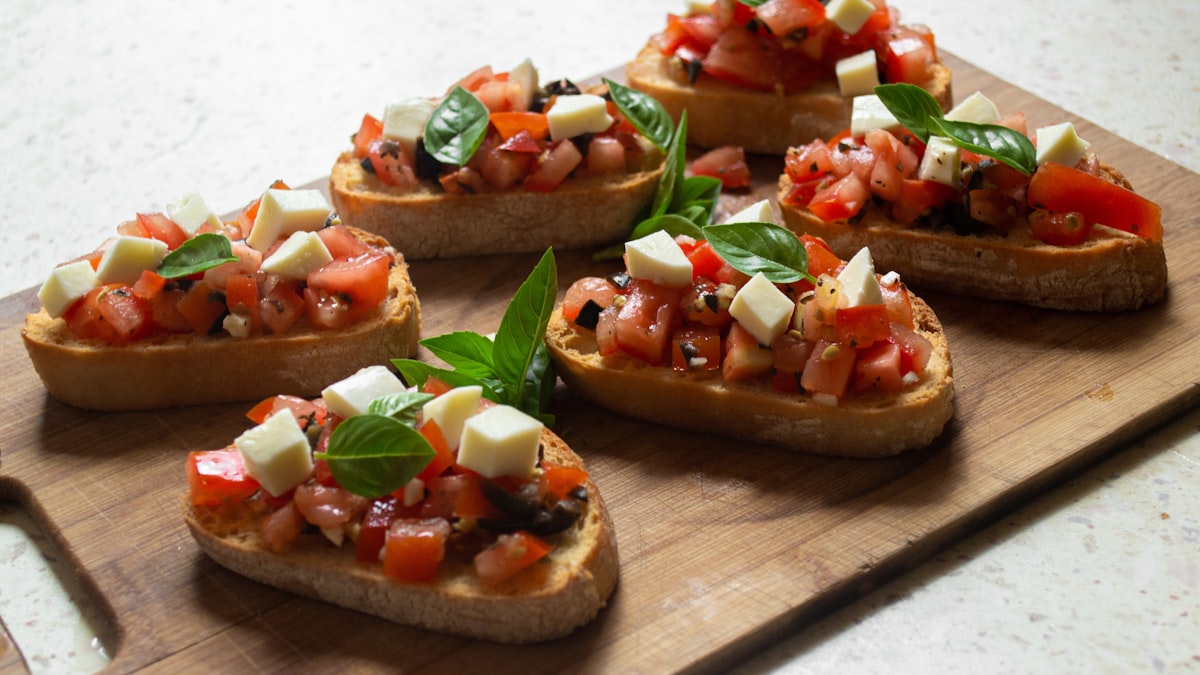
- Medium — grilled bread rubbed with crushed tomato, cooked legumes
- Intense — grilled vegetables, bean stew, dark leafy-green salad
A one-hour running order works well: ten minutes to set up glasses, pour, and bring samples to temperature; twenty minutes for the solo tasting with notes; ten minutes to clear the palate and discuss impressions; twenty minutes for the food-pairing round. Veteran tasters tend to describe this kind of session not as a search for a single correct answer, but as a way of discovering which textures and flavour profiles suit your own palate — and that, they say, is the real point.
Frequently asked questions
- What glass should I use for an olive oil tasting at home?
- Official IOC sensory panels use a dark blue tumbler-style glass, but any small wine glass or whisky glass with a slightly narrowed opening works well at home — the shape concentrates the aroma. Pour about 15 ml (roughly one tablespoon) per sample.
- What temperature should olive oil be served at for tasting?
- Around 28 °C is the standard recommended serving temperature. Cupping the glass briefly in your palms is usually enough to bring a room-temperature sample up to that range without any equipment.
- What is pungency in olive oil and why does it matter?
- Pungency is the pepper-like sting felt at the back of the throat after swallowing. It is considered a key indicator of intensity in extra virgin olive oil and is one of the three core sensory attributes — alongside fruitiness and bitterness — evaluated in a formal IOC tasting.
- What should I eat between olive oil tastings to cleanse my palate?
- A slice of green apple, a piece of low-salt bread, and still water at room temperature are the standard palate-cleansers. Green apple's acidity cuts through residual flavour, bread absorbs fat, and room-temperature water is preferred because cold water can temporarily numb the palate.
- Which three olive oils make the best set for a first home tasting?
- Experienced tasters generally recommend organizing the trio around a single axis. An intensity axis — mild (e.g., Ligurian Taggiasca style), medium (Sicilian or Koroneiki), and intense (Coratina or Picual) — is considered the most intuitive starting point because the contrasts are large enough that the palate doesn't lose its bearings. A single-origin Andalusian monovarietal trio — Ojiblanca, Sibarita, and Picual — is another well-regarded option.
Related reading
- Caponata, Arancini, Granita: How Sicily Uses Olive Oil at Every Stage of a Meal
In Sicily, olive oil is not a condiment—it is the structural language of the kitchen. From the slow soffritto that opens a caponata to the finishing drizzle that closes it, the island's cooks assign oil a precise role at every moment of cooking.
- Ciabatta, Sourdough, Focaccia: Matching Bread Character to Olive Oil Intensity
Ciabatta, sourdough, and focaccia each bring a distinct fermentation profile, crumb structure, and crust to the table. Matching olive oil intensity to bread character lets both ingredients amplify each other rather than compete.
- Guacamole, Tacos, and Olive Oil: A Pairing That Goes Back Centuries
From sixteenth-century Spanish missionaries to modern Latin kitchens in Mexico City, New York, and Los Angeles, extra virgin olive oil has long had a place at the Mexican table. This guide traces the history and explores how chefs are using it today.
- Butter Country No More: How Scandinavia Learned to Cook with Olive Oil
Olive oil is reshaping Nordic kitchens — from Copenhagen's Michelin-starred restaurants to Swedish home pantries. This guide traces how EVOO found its place alongside smoked fish, fermented rye, and root vegetables in one of the world's most distinctive food cultures.
- Soy, Gochujang, Doenjang: Ratio Guides for Korean Jang Dressings with Extra Virgin Olive Oil
Combining extra virgin olive oil with Korea's fermented jang pastes opens unexpected flavor territory — but the ratios matter. This guide breaks down the optimal oil-to-jang proportions for soy sauce, gochujang, and doenjang, with practical applications for each.
- Hummus, Shakshuka, Sabich: How Israeli Cooking Uses Olive Oil at Every Layer
From the finishing pour on hummus to the base of a shakshuka and the layered construction of a sabich, olive oil functions as a primary ingredient on the Israeli table — not a neutral medium. This guide traces how Levantine culinary tradition treats the oil itself as the point.
Tags
- evoo tasting
- home tasting
- olive oil sensory
- tasting sequence
- food pairing