Table
Seven Free Recipes, Three Cultivars: ORO CELESTE's Home-Cooking PDF Collection
ORO CELESTE has released a free seven-recipe PDF collection on its official website, with each dish matched to one of three single-cultivar oils — Ojiblanca, Sibarita, or Picual.
Translated from the Korean edition, originally published May 30, 2026 · read the original
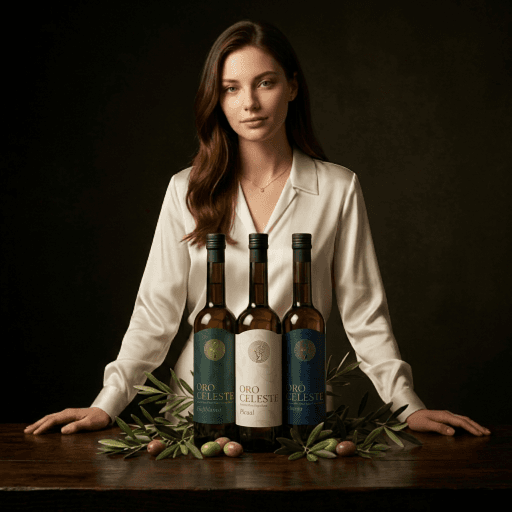
ORO CELESTE has made a free PDF collection available on its official website, pairing seven home-cooking recipes with its three single-cultivar oils. The set is designed so that one bottle of each oil can carry a cook through a full week of varied dishes.
The Recipes
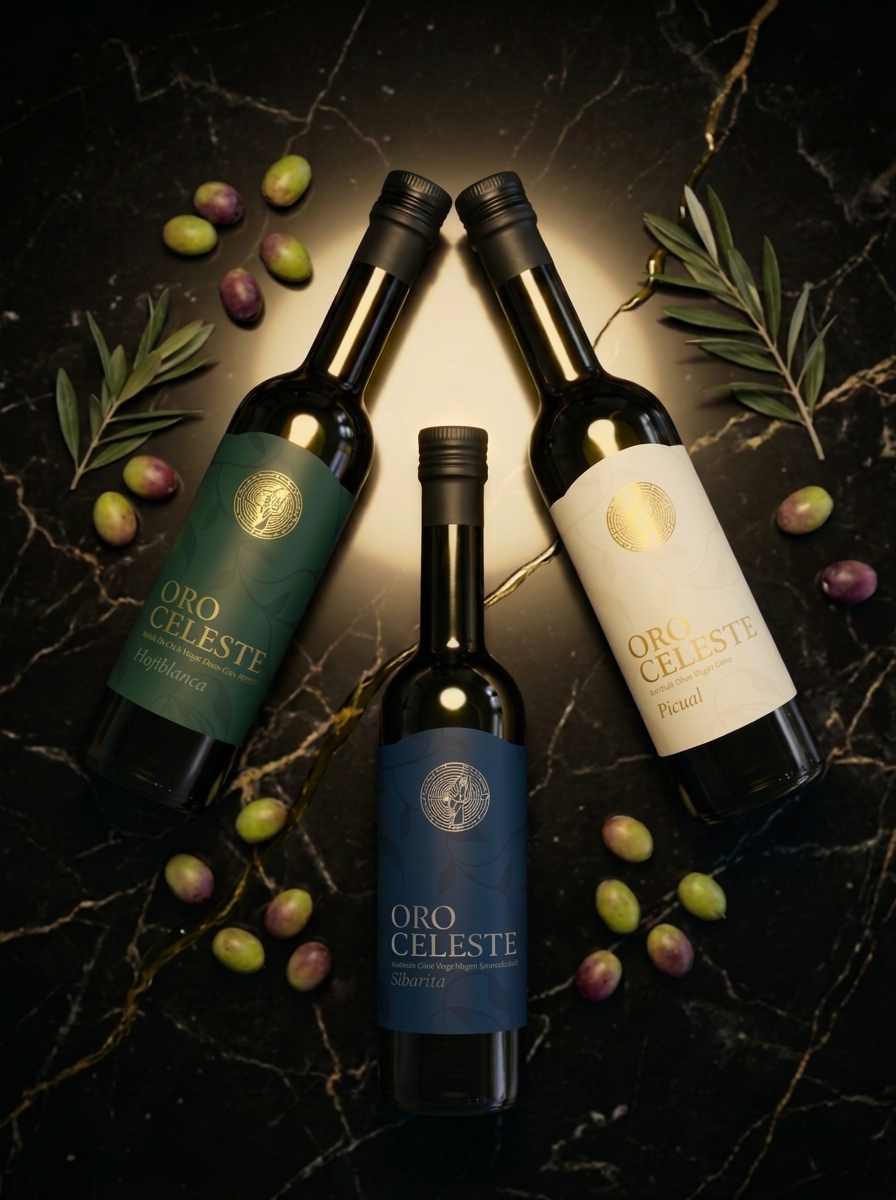
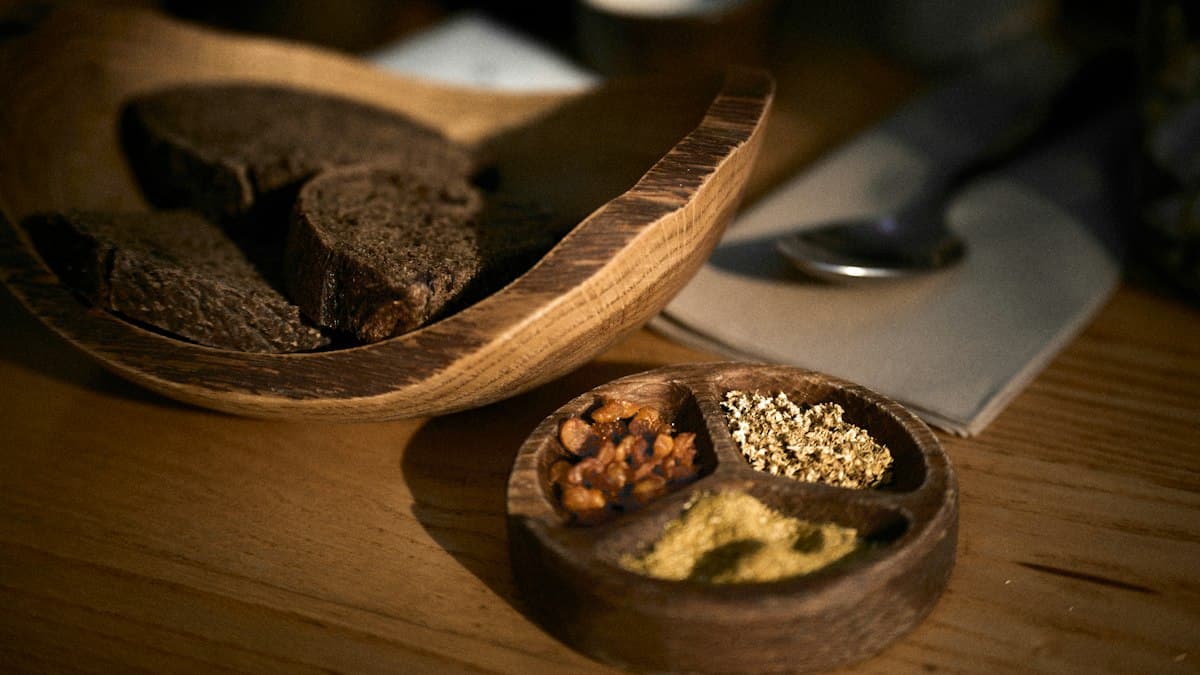
The collection is organized by cultivar. The soft, delicate character of Ojiblanca is the starting point for two recipes: a raw-vegetable carpaccio and a Greek yogurt board with seasonal vegetables. Sibarita, the most balanced of the three, is matched to sautéed prawns and a grilled white fish with lemon. Picual — the boldest, with the highest polyphenol content — appears in a tomato bruschetta and as a finishing drizzle over beef tenderloin steak. The seventh recipe steps back from cooking altogether: it is a guided side-by-side tasting of all three cultivars, using bread and a splash of balsamic as the only accompaniments. Each entry lists recommended quantities and notes on why that particular oil works with the dish.
Lux Vitae™ Ingredient Note Appendix
A one-page Lux Vitae™ Ingredient Note is included as an appendix to the recipe PDF. It sets out the polyphenol content and oleic acid percentage for all three ORO CELESTE oils in a single view, so readers can cross-check the figures printed on each label against the corresponding certificate-of-analysis values at a glance.
Download
The PDF is available in the Recipes section of ORO CELESTE's official website. It is formatted for double-sided printing and runs to six pages. Personal, non-commercial use is unrestricted; anyone wishing to use the material commercially is directed to contact ORO CELESTE separately.
Related reading
- The Mediterranean Art of Oil Poaching Fish: Ratios, Temperatures, and Cultivar Pairings
Oil poaching — gently cooking fish submerged in olive oil at low heat — is a cornerstone technique of Mediterranean kitchens. This guide covers everything from choosing the right EVOO to precise temperature ranges and the oil ratios that make the difference.
- Dipping or Finishing? A Cultivar-by-Cultivar Guide to ORO CELESTE
When you use an olive oil matters as much as which oil you choose. This guide maps ORO CELESTE's three cultivars—Ojiblanca, Sibarita, and Picual—to the moments at the table where each one performs best.
- Three Meals a Day with EVOO: Inside the Spanish Home Kitchen
In Spanish households, extra-virgin olive oil is not reserved for special occasions — it appears at breakfast, anchors the midday sofrito, and finishes the evening plate. A look at how that daily rhythm works, and what it might mean for any table.
- Vintage Notes: How Each Harvest Year Shapes ORO CELESTE's Flavor
Like wine, extra virgin olive oil carries the fingerprint of its harvest year. This editor's note tracks how climate and timing shift the aroma and taste of ORO CELESTE's three cultivars—Picual, Ojiblanca, and Sibarita—vintage by vintage.
- Grilled Fish and Seafood Caprese: Pairing Both with Sibarita
ORO CELESTE Sibarita's delicate flavor profile — 0.14% acidity, 500+ mg/kg polyphenols — makes it a natural partner for grilled white fish and a seafood-forward twist on the classic Caprese. This guide breaks down the why and how of each pairing.
- Ojiblanca on the Table: A Pairing Guide for Carpaccio and the Cheeseboard
ORO CELESTE Ojiblanca — 0.16% acidity, 600+ mg/kg polyphenols — brings a layered almond-and-grass character that quietly lifts both the delicacy of raw-meat carpaccio and the fat-rich complexity of a well-built cheeseboard.
Tags
- recipes
- ojiblanca
- sibarita
- picual
- single cultivar
- home cooking