Table
The Vinaigrette Ratio: How to Balance Olive Oil with Vinegar and Lemon
From the classic 3:1 rule to lemon-juice adjustments and emulsification tricks, this guide lays out the core formulas for a vinaigrette that holds together and tastes right every time. Cultivar-by-cultivar pairing notes and a ready-to-use base recipe are included.
Translated from the Korean edition, originally published July 28, 2026 · read the original
The Ratio Is the Recipe
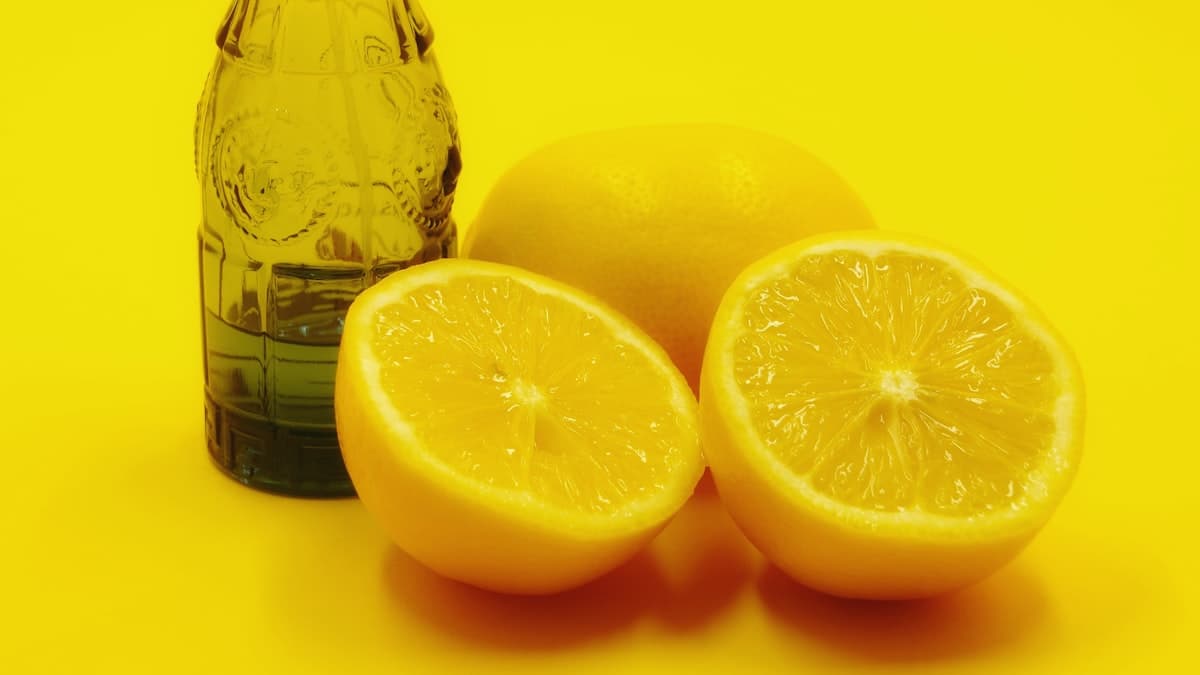
Salad dressing looks simple, but the difference between something memorable and something flat often comes down to a single proportion: olive oil to acid. The French culinary tradition has long anchored the vinaigrette at 3 parts oil to 1 part vinegar — an empirical figure refined over centuries that major culinary schools around the world still teach as the standard starting point.
The reason this ratio works is straightforward. Fat coats the tongue's taste receptors and holds flavour on the palate; acid cuts through that weight and creates overall balance. Too much vinegar and sharpness and bitterness take over; too much oil and the dressing feels heavy and cloying. The 3:1 sits between those two extremes.
That said, the ratio is a departure point, not a destination. The cultivar and acidity of the oil, the type of acid, and the ingredients being dressed all call for fine adjustments.
Choosing Your Acid: Vinegar vs. Lemon Juice
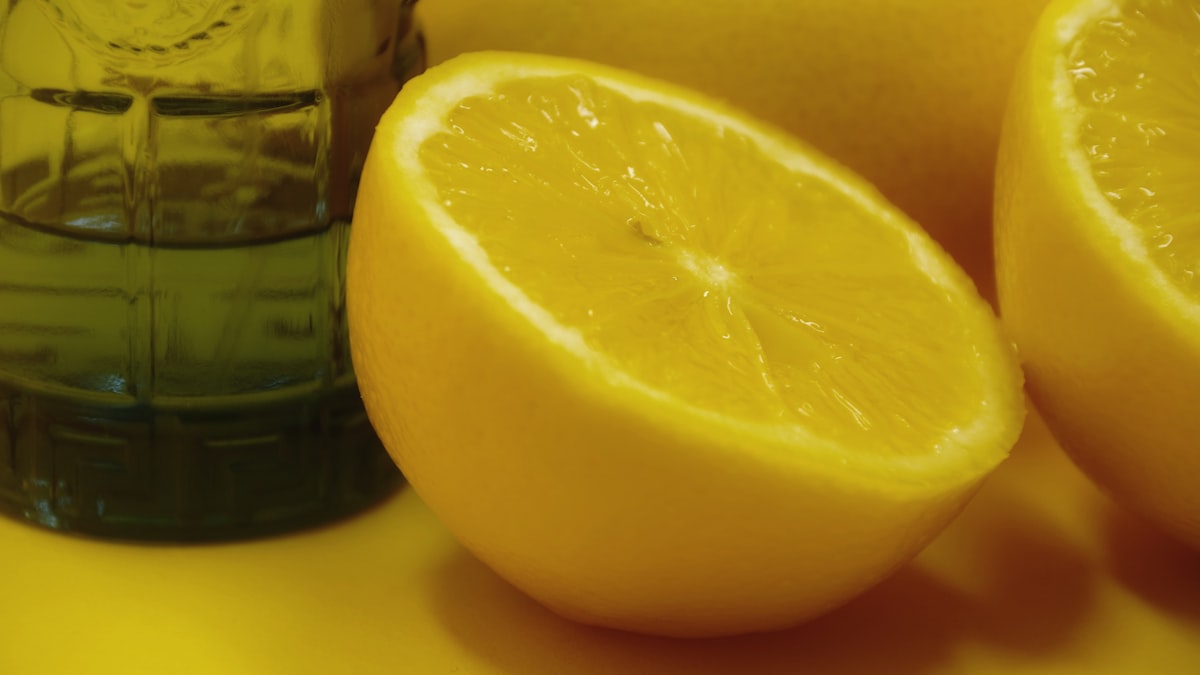
The two main acids in a vinaigrette are vinegar and lemon juice. They differ in pH and in their flavour profiles, and that difference shapes the character of the finished dressing.
Red wine vinegar typically runs at around 6–7% acidity and delivers an assertive, structured sourness. It suits hearty ingredients: leafy green salads, Mediterranean grain bowls, roasted vegetables.
White wine vinegar is more delicate and bright. It is a better match for fish carpaccio or gently flavoured vegetable salads where a softer acid lets the other ingredients come forward.
Lemon juice has a pH of roughly 2–3 — sharper than most vinegars — but its volatile citrus aroma lifts the whole dressing and makes it feel fresher. When lemon juice is the acid, nudging the ratio to 3.5:1 or 4:1 in favour of oil helps prevent the sharpness from dominating.
Balsamic vinegar, with its natural viscosity and sweetness, works better blended with red wine vinegar in roughly equal parts than used alone. With that blended acid, an oil ratio of 2.5:1 to 3:1 is appropriate.
Emulsification: Keeping the Dressing Together
Oil and vinegar do not combine naturally — shake them in a jar and they temporarily mix, then quickly separate into layers. Slowing or preventing that separation is the job of emulsification.
The most effective emulsifier for a vinaigrette is Dijon mustard. The mucilage in mustard — its viscous binding compound — wraps around oil droplets and helps them remain suspended in the acidic phase. A quantity of roughly 5–10% of the total dressing volume is generally recommended: about ¼ to ½ teaspoon per single serving.
A small amount of honey — no more than ¼ teaspoon — can serve as a secondary emulsification aid. It contributes only a faint sweetness at that level while helping the dressing hold together longer. Finely pasted garlic produces a similar stabilising effect.
According to data published by the International Olive Council (IOC), extra virgin olive oils with higher polyphenol concentrations tend to have a more cohesive structure, which has been reported to support more even mixing with minimal agitation during emulsification. This suggests that high-quality EVOO rich in polyphenols may offer an advantage in dressing texture and stability, in addition to flavour.
A Cultivar-by-Cultivar Pairing Guide
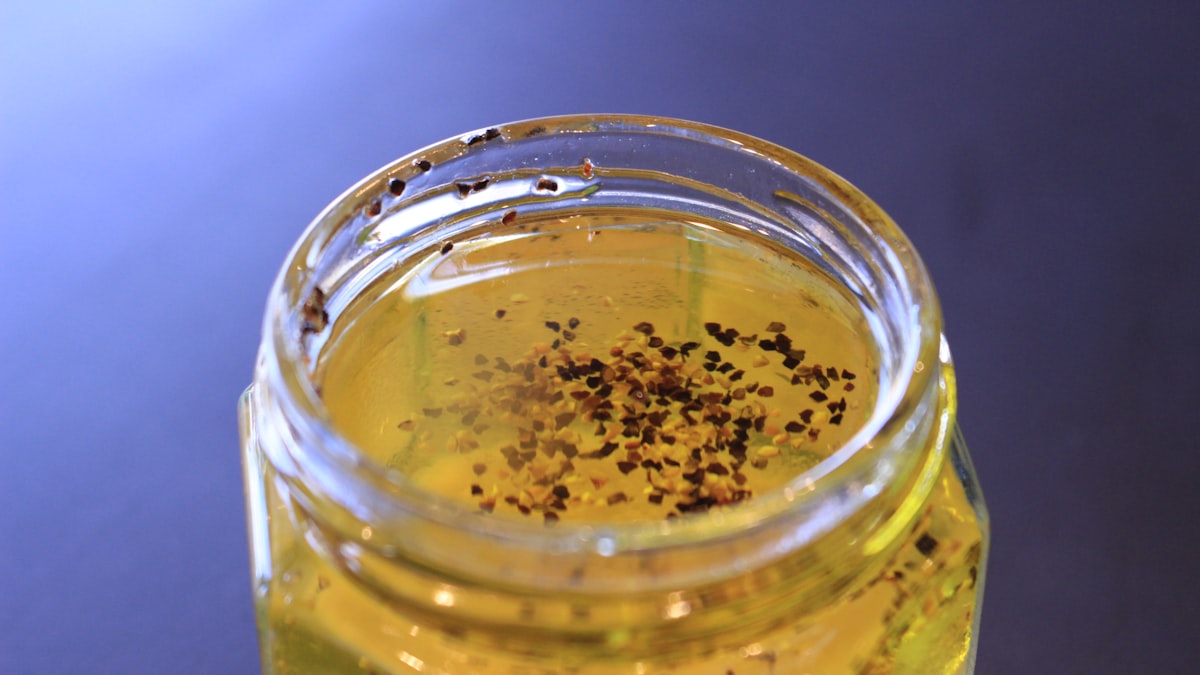
The cultivar of olive oil used has a significant effect on how a dressing performs. Adjusting the acid pairing to match the oil's intensity is worth the effort.
Mild cultivars (Arbequina and similar) bring buttery, almond-like notes. Paired with a delicate acid — lemon juice or white wine vinegar — at a 4:1 ratio, the oil's natural aromatics remain clearly present. These oils suit soft lettuces such as Boston or endive rather than strongly flavoured leaves like rocket.
Medium-intensity cultivars (Ojiblanca and similar) offer complex notes of artichoke and green apple, making them versatile. A standard 3:1 ratio with red wine vinegar works across a wide range of salads; blending in 10–15% balsamic adds depth without overwhelming the oil's character.
Robust cultivars (Picual and similar) express tomato leaf, green grass, and bitter herb with considerable force. Pairing these oils with an equally assertive acid — red wine vinegar or sherry vinegar — at roughly 2.5:1 allows the two strong elements to balance each other. They are particularly well suited to roasted vegetable salads and warm lentil or grain bowls.
A Base Recipe and Storage Notes
Translating the basic ratio into a workable recipe: for two servings, combine 3 tablespoons of extra virgin olive oil, 1 tablespoon of red wine vinegar, ¼ teaspoon of Dijon mustard, a pinch of salt, and freshly ground black pepper in a small jar. Seal and shake firmly for 10–15 seconds. For a garlic note without disrupting the dressing's texture, drop half a clove into the sealed jar, leave it for 30 minutes, then remove it before using.
A vinaigrette is best used immediately. If storage is necessary, keep it in a sealed glass jar in the refrigerator — lemon-based dressings within 2 days, vinegar-based within 5–7 days. Cold temperatures may solidify the olive oil; set the jar on the counter for about 10 minutes before use and shake it again to restore the original consistency.
The order of dressing the salad also matters. Salt the leaves first and let them settle briefly — this draws out some surface moisture so it does not dilute the dressing once it is added. Then dress, and lift from the bottom of the bowl upward with a light hand rather than tossing; this coats every leaf evenly without bruising them.
Frequently asked questions
- What is the correct olive oil to vinegar ratio for vinaigrette?
- The classical ratio taught at culinary schools worldwide is 3 parts olive oil to 1 part vinegar. This is a starting point, not a fixed rule — the ideal balance shifts depending on the type of vinegar, the cultivar of olive oil, and the ingredients being dressed.
- Should I use lemon juice or vinegar in an olive oil dressing?
- Both work, but they behave differently. Lemon juice has a pH of roughly 2–3, sharper than most vinegars, but its volatile citrus aroma makes the finished dressing feel brighter. When using lemon juice, it is worth increasing the oil proportion slightly — to about 3.5:1 or 4:1 — to keep the acidity from dominating.
- How do I stop my vinaigrette from separating?
- Add a small amount of Dijon mustard — about ¼ to ½ teaspoon per single serving of dressing. The mucilage in mustard coats oil droplets and helps them stay suspended in the acidic phase. A tiny amount of honey or a fine-paste garlic can also slow separation.
- Does the olive oil cultivar matter when making salad dressing?
- Yes. Mild, buttery cultivars such as Arbequina pair best with delicate acids like white wine vinegar or lemon juice at a 4:1 ratio. Medium-intensity oils like Ojiblanca work well with red wine vinegar at 3:1. Robust cultivars like Picual benefit from a stronger acid — red wine or sherry vinegar — at around 2.5:1, so the flavours balance rather than compete.
- How long can I store a homemade olive oil vinaigrette?
- A vinegar-based vinaigrette kept in a sealed glass jar in the refrigerator will hold for 5–7 days. If lemon juice is the acid, use it within 2 days. Because cold temperatures can solidify the olive oil, remove the jar from the fridge about 10 minutes before use and shake it again to restore the original texture.
Related reading
- Caponata, Arancini, Granita: How Sicily Uses Olive Oil at Every Stage of a Meal
In Sicily, olive oil is not a condiment—it is the structural language of the kitchen. From the slow soffritto that opens a caponata to the finishing drizzle that closes it, the island's cooks assign oil a precise role at every moment of cooking.
- Ciabatta, Sourdough, Focaccia: Matching Bread Character to Olive Oil Intensity
Ciabatta, sourdough, and focaccia each bring a distinct fermentation profile, crumb structure, and crust to the table. Matching olive oil intensity to bread character lets both ingredients amplify each other rather than compete.
- Soy, Gochujang, Doenjang: Ratio Guides for Korean Jang Dressings with Extra Virgin Olive Oil
Combining extra virgin olive oil with Korea's fermented jang pastes opens unexpected flavor territory — but the ratios matter. This guide breaks down the optimal oil-to-jang proportions for soy sauce, gochujang, and doenjang, with practical applications for each.
- The Mediterranean Art of Oil Poaching Fish: Ratios, Temperatures, and Cultivar Pairings
Oil poaching — gently cooking fish submerged in olive oil at low heat — is a cornerstone technique of Mediterranean kitchens. This guide covers everything from choosing the right EVOO to precise temperature ranges and the oil ratios that make the difference.
- Hummus, Shakshuka, Sabich: How Israeli Cooking Uses Olive Oil at Every Layer
From the finishing pour on hummus to the base of a shakshuka and the layered construction of a sabich, olive oil functions as a primary ingredient on the Israeli table — not a neutral medium. This guide traces how Levantine culinary tradition treats the oil itself as the point.
- Fried, Scrambled, Poached: How Olive Oil Changes Every Style of Egg
Olive oil is more than a non-stick coating in egg cookery — it shapes texture, aroma, and the final bite. This guide breaks down the right oil, temperature, and timing for fried, scrambled, and poached eggs.
Tags
- dressing
- vinaigrette
- olive oil pairing
- emulsification
- cooking guide