Table
Sourdough Meets EVOO: Finding the Right Dip for Each ORO CELESTE Cultivar
A slice of tangy sourdough and a shallow dish of extra virgin olive oil form one of the oldest pairings in Mediterranean food culture. This guide explores how ORO CELESTE's three single-cultivar oils each engage differently with fermented bread — and why the dipping ritual is finding new life at the home table.
Translated from the Korean edition, originally published July 17, 2026 · read the original
Bread and Oil: The Oldest Pairing
Mixing flour with water, baking it, and finishing it with oil is one of the foundational acts of Mediterranean food culture. Ancient Greek writers documented the practice of dipping bread into olive oil, and in Tuscany the tradition continues today: each harvest season, freshly pressed oil is served alongside pane sciocco — the region's unsalted bread — in a ritual that marks the new crop. Over the centuries the bread has changed shape, from flatbreads to baguettes to ciabatta to sourdough, and the criteria for choosing the oil have grown correspondingly more refined.
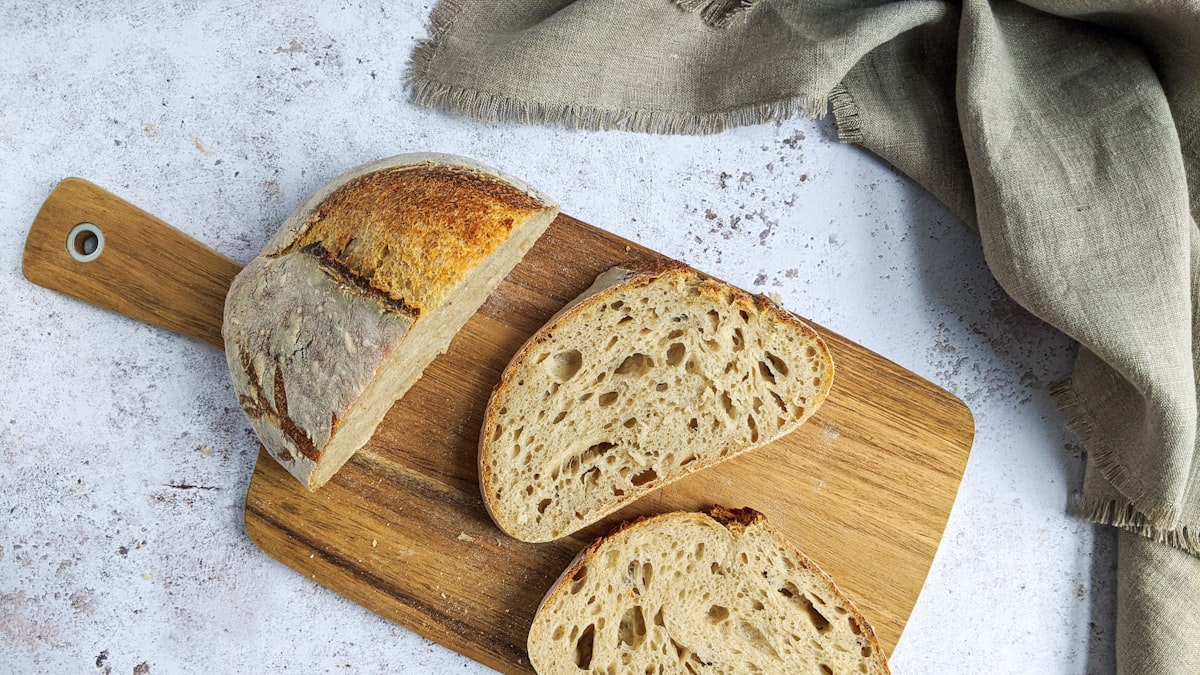
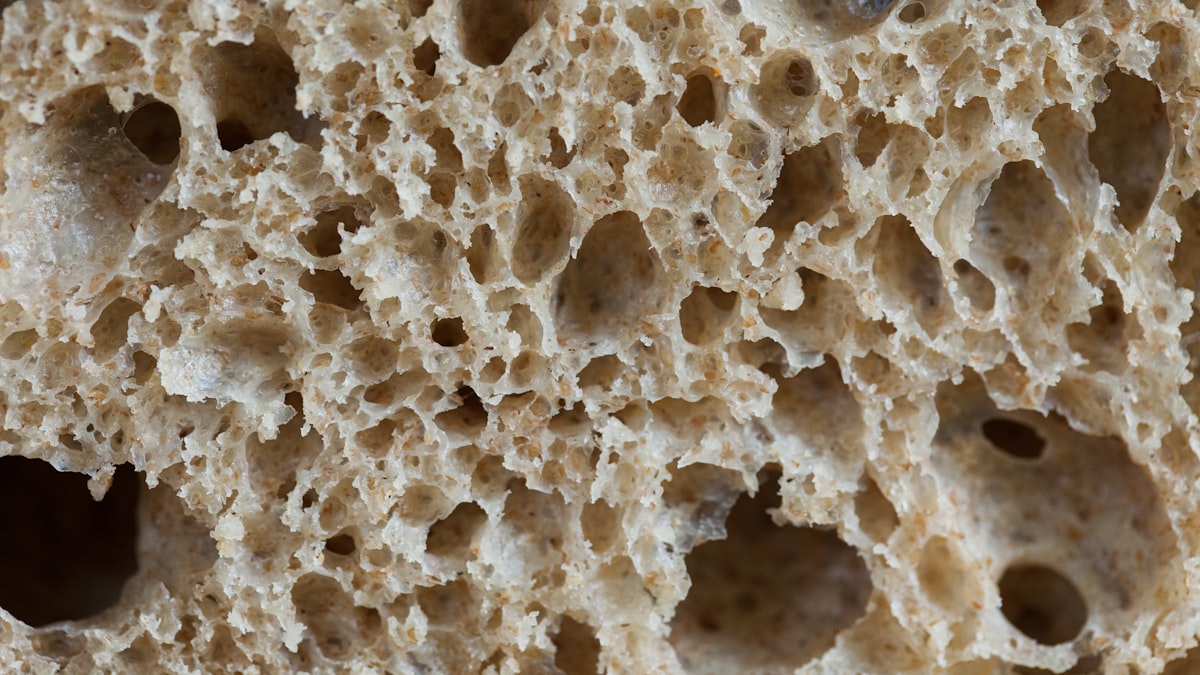
Sourdough draws particular attention as a dipping partner because of its acidity. The lactic and acetic acids that develop during fermentation build a layered flavor into the bread itself, and that tanginess works in counterpoint to the bitterness and pungency of extra virgin olive oil, creating a natural balance between the two. The open crumb structure absorbs oil efficiently, and the crisp crust makes the contrast in texture and body especially clear.
The Cultivar Changes Everything
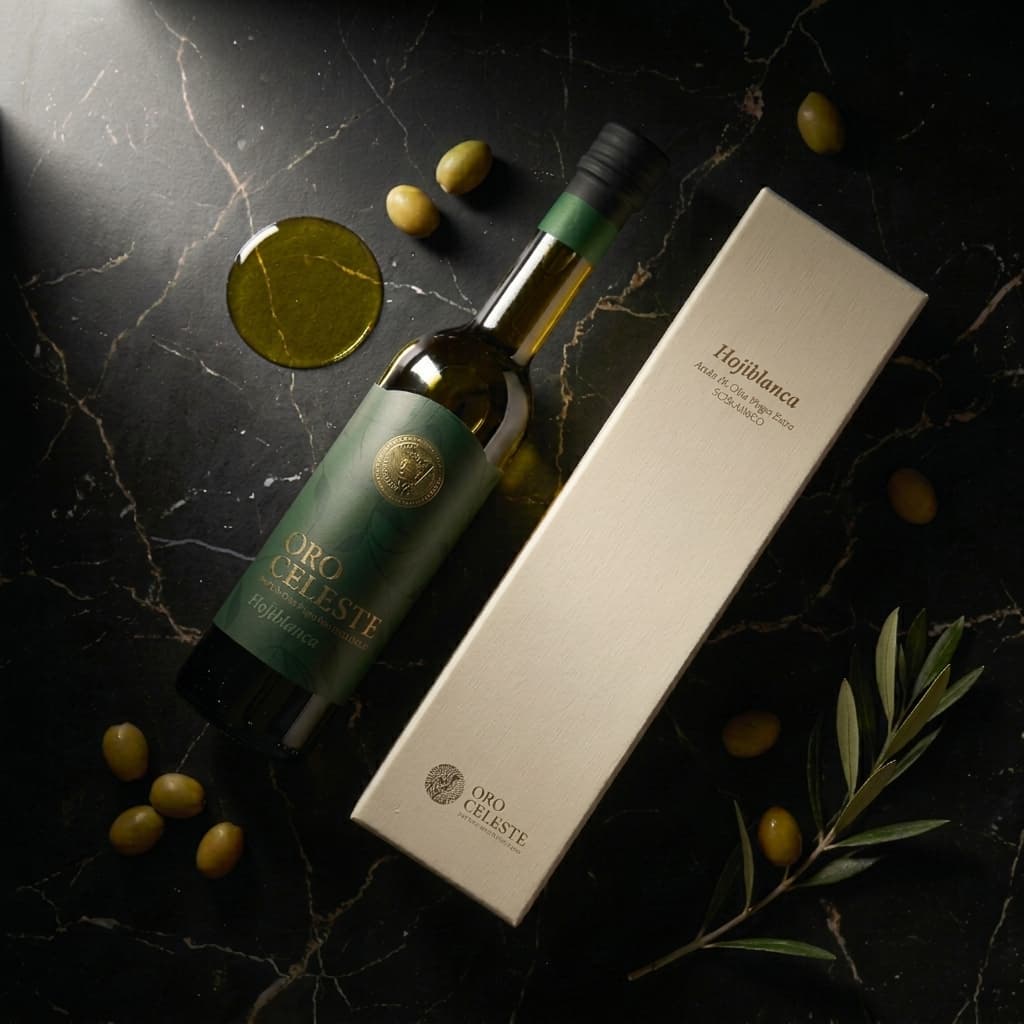
Extra virgin olive oil's flavor spectrum shifts considerably depending on whether the oil comes from a single cultivar or a blend. ORO CELESTE presents three single-cultivar oils — Ojiblanca, Sibarita, and Picual — and each one conducts a different conversation with sourdough.
Ojiblanca (acidity 0.16% · polyphenols 600+ mg/kg) is defined by a delicate fruitiness that evokes almonds and artichoke. Its bitterness and pungency resolve gently, so when paired with a whole-wheat sourdough whose grain flavors are already pronounced, the oil supports the bread rather than competing with it. It makes a natural entry point for anyone new to the dipping ritual.
Sibarita (acidity 0.14% · polyphenols 500+ mg/kg) carries the lowest acidity in the ORO CELESTE lineup, leading with fresh grass and green-apple notes and finishing cleanly. Paired with a naturally leavened sourdough that already carries significant tartness, the oil's brightness acts as a palate rinse between bites. It works especially well with plain white sourdough or a khorasan-wheat blend.
Picual (acidity 0.20% · polyphenols 800+ mg/kg) has the highest polyphenol count of the three and leaves a pronounced pepperiness at the back of the throat, accompanied by notes of tomato leaf and fresh herbs. That intensity finds its balance alongside a rosemary or olive-topped focaccia-style sourdough, or as part of an open-faced sandwich with aged cheese. If the goal is to experience the oil itself, serving it in a dish with a single pinch of flaky salt is one of the most effective approaches.
Why Dipping Is Moving to the Home Table
According to a 2023 market report by the Specialty Food Association (SOFI), the premium single-cultivar extra virgin olive oil category grew approximately 18% year-on-year, with home 'table dipping' identified as one of the primary demand drivers. A practice long associated with restaurant bread service is migrating into everyday home dining as interest in artisan ingredients continues to grow.
That pattern is visible in the artisan bakery sector as well. Sourdough-focused bakeries in a growing number of markets have begun offering olive oil alongside their loaves as part of their table service, and pairing content centered on bread and oil has become a consistent presence across food-focused social platforms.
Setting Up a Proper Dipping Experience
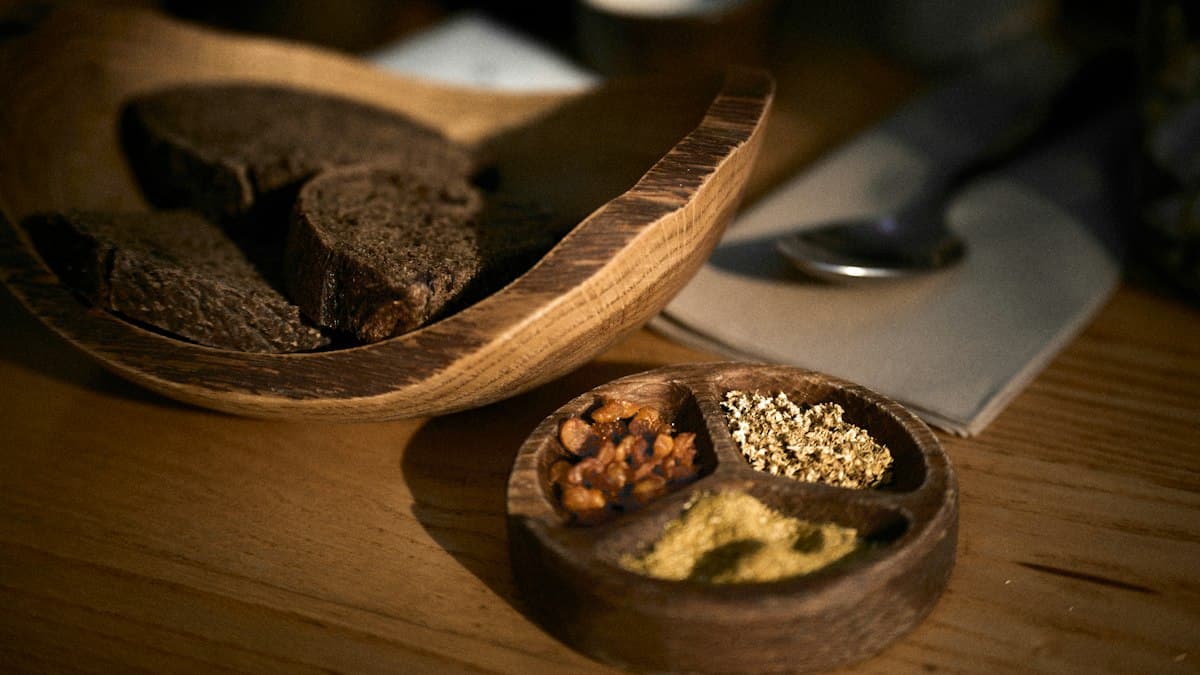
A few practical steps make a meaningful difference when the goal is to taste a good oil well. Pour the oil into the widest, shallowest dish available — a flat ceramic plate works better than a deep ramekin — so the surface area opens the aromas. Pouring just before serving rather than in advance preserves those volatile fragrance compounds.
Warm the sourdough in a 180°C oven for approximately five minutes before serving; the crust revives and the contrast with the oil's body becomes more defined. A light sprinkle of flaky salt — fleur de sel is a common choice — on the surface of the oil is widely reported to draw out the oil's natural sweetness. Balsamic vinegar or herb oils are popular additions in many settings, but with a single-cultivar extra virgin the first tasting is generally best done plain, so the cultivar's own character can be read clearly before anything is added.
When Olive Oil Becomes the Language of the Table
Dipping is less a cooking technique than a disposition. Taking a moment to press a piece of bread into oil, bring it close enough to catch the aroma, and eat without rushing turns a meal into something closer to a small ceremony. This is part of the reasoning behind ORO CELESTE's commitment to single-cultivar oils: when a bottle contains the harvest of a specific grove and a specific variety, the landscape behind that harvest becomes present on the dipping plate.
Sourdough carries the time of fermentation within it. Good extra virgin olive oil carries the time of harvest and pressing within it. The moment the two meet on a dish is a brief, concentrated point where those separate timelines cross.
Frequently asked questions
- Why is sourdough considered the best bread for dipping in olive oil?
- The lactic and acetic acids produced during sourdough fermentation give the bread a natural tanginess that counterbalances the bitterness and pungency of extra virgin olive oil. Its open crumb also absorbs oil readily, while a firm crust provides a satisfying textural contrast.
- What is the difference between Ojiblanca, Sibarita, and Picual olive oil for dipping?
- The three cultivars offer very different flavor profiles. Ojiblanca (acidity 0.16%, polyphenols 600+ mg/kg) is delicate and almond-forward, making it a gentle introduction. Sibarita (acidity 0.14%, polyphenols 500+ mg/kg) is the lightest of the three, with fresh green-fruit notes that cleanse the palate. Picual (acidity 0.20%, polyphenols 800+ mg/kg) is the most intense, with robust pepper and herb notes that suit fuller-flavored breads or cheese accompaniments.
- Should I add balsamic vinegar or herbs to the dipping oil?
- Blending in balsamic or herb oils is common, but if you are using a single-cultivar extra virgin — such as the ORO CELESTE range — it is generally recommended to taste the oil plain first so the cultivar's individual character comes through clearly. A pinch of flaky salt on top is widely considered the one addition that enhances rather than masks the oil.
- How do I set up a proper olive oil dipping station at home?
- Pour the oil into a wide, shallow ceramic dish just before serving to preserve fresh aromas. Warm the sourdough in a 180°C oven for about five minutes to revive the crust. A light sprinkle of fleur de sel on the surface of the oil is reported to draw out its natural sweetness. Pour only what you plan to use immediately, as repeated exposure to air diminishes the oil's aromatic complexity.
- Is the trend for olive oil dipping at home growing?
- According to a 2023 market report by the Specialty Food Association (SOFI), the premium single-cultivar extra virgin olive oil category grew approximately 18% year-on-year, with home 'table dipping' cited as one of the key demand drivers. The practice, long familiar in restaurant bread service, appears to be moving steadily into home-dining occasions.
Related reading
- Butter Country No More: How Scandinavia Learned to Cook with Olive Oil
Olive oil is reshaping Nordic kitchens — from Copenhagen's Michelin-starred restaurants to Swedish home pantries. This guide traces how EVOO found its place alongside smoked fish, fermented rye, and root vegetables in one of the world's most distinctive food cultures.
- Pairing Olive Oil with Wine: A Guide to Matching Aromas, Bitterness, and Texture
Extra virgin olive oils differ markedly in acidity, bitterness, and fruitiness — and each profile calls for a different wine partner. This guide maps those sensory axes to white, red, and natural wines.
- Daily Oil and Finishing Oil: Two Bottles, Two Jobs
Splitting your EVOO into a daily cooking bottle and a finishing bottle makes sense for both flavour and value. Here is how to read the labels and which lines belong in each role.
- Ciabatta, Sourdough, Focaccia: Matching Bread Character to Olive Oil Intensity
Ciabatta, sourdough, and focaccia each bring a distinct fermentation profile, crumb structure, and crust to the table. Matching olive oil intensity to bread character lets both ingredients amplify each other rather than compete.
- Guacamole, Tacos, and Olive Oil: A Pairing That Goes Back Centuries
From sixteenth-century Spanish missionaries to modern Latin kitchens in Mexico City, New York, and Los Angeles, extra virgin olive oil has long had a place at the Mexican table. This guide traces the history and explores how chefs are using it today.
- Soy, Gochujang, Doenjang: Ratio Guides for Korean Jang Dressings with Extra Virgin Olive Oil
Combining extra virgin olive oil with Korea's fermented jang pastes opens unexpected flavor territory — but the ratios matter. This guide breaks down the optimal oil-to-jang proportions for soy sauce, gochujang, and doenjang, with practical applications for each.
Tags
- sourdough
- dipping
- extra virgin olive oil
- cultivar pairing
- table ritual
- EVOO