Table
Espresso Meets EVOO: The Olive Oil Coffee Trend Explained
From Starbucks Oleato to specialty café menus worldwide, extra virgin olive oil is finding its way into espresso, lattes, and Einspänner. OLEA breaks down the flavour logic, cultivar pairings, and how to try it at home.
Translated from the Korean edition, originally published July 16, 2026 · read the original
A Golden Ripple on the Espresso Cup
In spring 2023, Starbucks launched its Oleato line at its Milan flagship, and the combination of coffee and olive oil became a global talking point almost overnight. The New York Times, The Guardian, and Forbes all ran reviews in quick succession; the hashtag #oliveoilcoffee surpassed millions of posts on social media. Yet the pairing itself is far from new. In parts of Ethiopia, blending butter or oil into coffee has been practiced for centuries, and in Sicily, the custom of adding a small measure of quality EVOO to an espresso has long been a quiet regional tradition.
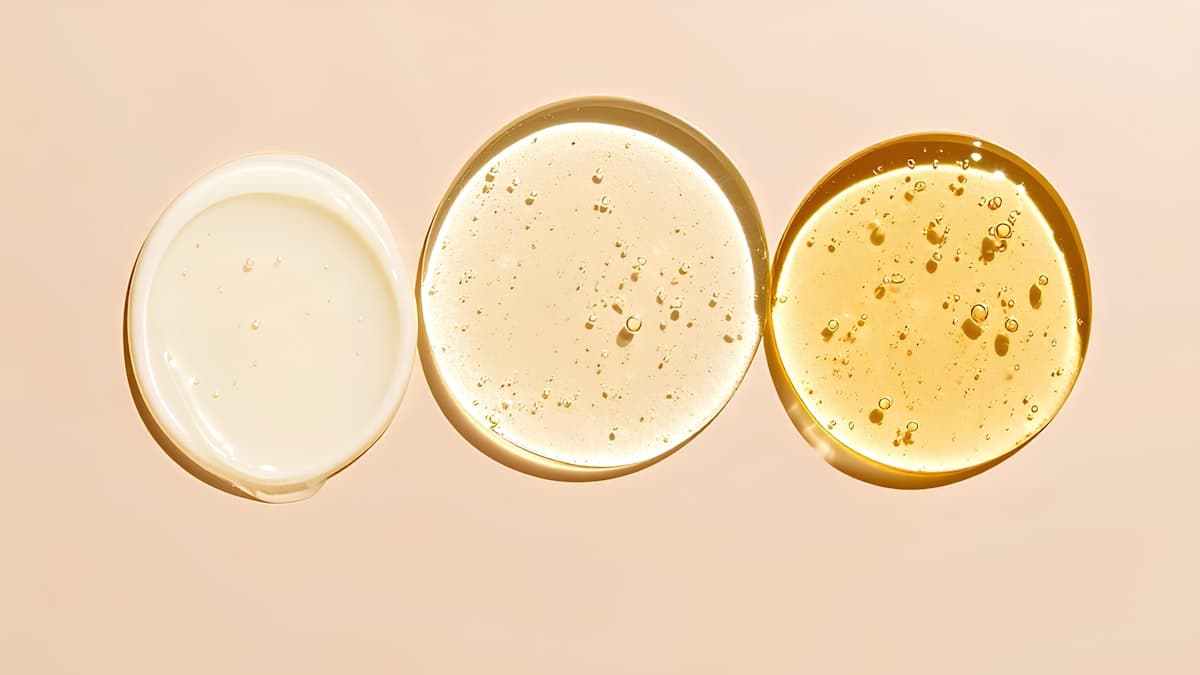
The key variable is quantity. A single serving — whether a latte or an Einspänner — typically calls for just 5–15 ml, or one to two teaspoons, of extra virgin olive oil. That small measure produces a surprisingly significant change in texture and aroma. When the oil meets the espresso's crema, a fine emulsion forms, softening the mouthfeel considerably. The olive's characteristic notes — green grass, ripe fruit, white pepper — settle in as an aftertaste behind the coffee's bitterness, rather than competing with it upfront.
Why This Trend, Why Now
According to a 2024 report by Euromonitor International, the fat-infused beverage category — drinks incorporating premium plant or animal fats — recorded double-digit growth in the North American and Western European café markets between 2022 and 2024. Butter coffee (popularised as Bulletproof Coffee) opened the category; EVOO coffee has emerged as its successor. Where butter coffee carries the heavier body associated with animal fat, EVOO coffee differentiates itself through a lighter plant-based texture and a more layered aromatic profile.
The shift is equally visible in specialty cafés in London, New York, and beyond, where EVOO drizzle options began appearing on menus in the latter half of 2024. The Einspänner format — Viennese-style espresso topped with whipped cream — has proven a particularly receptive canvas: the butterfat in the cream and the oil interact to create a distinct double-layer flavour that reads as both indulgent and fresh.
Cultivar Determines the Cup — A Pairing Guide
The success of an EVOO coffee depends heavily on which cultivar is used. Each variety brings a different flavour profile, and the same espresso base will produce a completely different experience depending on the choice.
Picual carries intense green tomato and grass aromas alongside a firm peppery finish. It pairs well with dark-roast espresso or ristretto, where the coffee's own bitterness is strong enough to meet the oil on equal terms. With its relatively high polyphenol content, Picual makes a statement — the right choice when a contrast pairing is the goal.
Hojiblanca is characterised by ripe almond and apple notes. Its bright, slightly sweet aromatic profile works with light or medium roasts and with cold-brew lattes. The variety's gentler texture allows it to integrate naturally into milk-based drinks — a harmony pairing rather than a contrast.
Sibarita offers delicate hints of butter, banana, and hazelnut with minimal intensity. It is exceptionally well suited to cream-topped drinks like Einspänner, or to oat-milk lattes where a mild sweetness is already present. For anyone trying EVOO coffee for the first time, Sibarita is the most approachable starting point.
According to data from ASOLIVA, the Spanish Olive Oil Industry Association, extra virgin grade requires acidity below 0.8% and no organoleptic defects. In a coffee context, a lower-acidity, fresher EVOO is reported to leave a cleaner finish without off-notes that could clash with the roast character.
Making It at Home
Preparing an EVOO coffee at home is more straightforward than it might sound. Sequence and temperature are what matter most.
Start by pulling a 30–40 ml espresso using a machine or moka pot. Drip coffee is too dilute for the contrast effect to register clearly; a concentrated extraction is essential.
Add the olive oil last, after the drink is otherwise finished. If the recipe includes steamed milk or whipped cream, layer those first, then drizzle the oil over the top. This preserves the visual layering and keeps the aromatic compounds at the surface where they reach the nose first. Begin with 5–10 ml and adjust to preference.
Use oil that is fresh. As EVOO oxidises over time its aromatic complexity diminishes, and it is that complexity that makes the pairing interesting. International Olive Council (IOC) guidelines state that unopened EVOO should be stored in a cool, light-protected environment to maintain quality; once opened, using it within two to three months is advisable.
For an unsweetened version, the oil alone is sufficient. If sweetness is preferred, half a teaspoon of honey bridges EVOO and espresso particularly well. A light dusting of cinnamon introduces a Middle Eastern inflection that suits the combination.
Beyond the Menu — What Is Changing in Cafés
Within the global barista community, EVOO coffee is increasingly being treated not as a passing trend but as a new ingredient vocabulary. Baristas affiliated with the Specialty Coffee Association (SCA) in London demonstrated olive oil–based coffee recipes at a 2024 European coffee event, and efforts are underway to map cultivar tasting notes onto the established Coffee Taster's Flavor Wheel.
In specialty markets more broadly, the conversation has moved beyond a simple oil add-on. Cafés have begun listing specific origin and cultivar information for their EVOO selections — much as a wine list details producer and vintage. Collaborations between olive oil producers and roasteries are being explored, and the prospect of a formal olive oil list sitting alongside a coffee menu no longer seems far-fetched.
When coffee — with its own terroir story of variety, altitude, and harvest year — meets an olive oil defined by the same set of variables, the two products begin to share a narrative in the same cup. That golden drizzle is less an additive than an expanding vocabulary for what a cup of coffee can express.
Frequently asked questions
- Does olive oil actually taste good in coffee?
- When a quality EVOO is drizzled over espresso or a latte, it forms a fine emulsion with the crema that smooths the mouthfeel and leaves a lingering finish of green herb, fruit, or pepper — depending on the cultivar. The pairing works best with fresh, low-acidity EVOO and a well-extracted espresso base.
- How much olive oil do you put in a coffee?
- Most recipes call for 5–15 ml — roughly one to two teaspoons — added after the drink is otherwise complete. Start at the lower end and adjust to taste. More oil than that tends to overwhelm the coffee rather than complement it.
- Which olive oil cultivar is best for coffee?
- It depends on the style. Picual's bold green and peppery notes contrast well with dark-roast espresso. Hojiblanca's ripe almond and apple character suits light or medium roasts and cold-brew lattes. Sibarita's gentle butter and hazelnut profile blends seamlessly into cream-topped drinks like Einspänner or oat-milk lattes — a good starting point for first-timers.
- Is olive oil coffee the same as bulletproof coffee?
- They share the fat-infused beverage concept, but the ingredients and results differ. Bulletproof coffee uses animal fat (butter or ghee), which produces a heavier, richer texture. EVOO coffee uses plant-based fat, yielding a lighter mouthfeel and a more complex aromatic finish tied to the olive cultivar.
- How should I store olive oil if I'm using it in coffee regularly?
- According to International Olive Council (IOC) guidelines, unopened EVOO should be kept in a cool, dark environment to preserve quality. Once opened, using the oil within two to three months is advisable; oxidation progressively dulls the aromatic profile that makes the pairing worthwhile.
Related reading
- Cold Dishes, Full Flavor: Choosing Olive Oil for Gazpacho, Cold Pasta, and Chilled Salads
When heat is removed from the equation, olive oil has nowhere to hide. A guide to matching cultivar character, acidity, and polyphenol levels to gazpacho, cold pasta, and chilled salads.
- Ciabatta, Sourdough, Focaccia: Matching Bread Character to Olive Oil Intensity
Ciabatta, sourdough, and focaccia each bring a distinct fermentation profile, crumb structure, and crust to the table. Matching olive oil intensity to bread character lets both ingredients amplify each other rather than compete.
- Guacamole, Tacos, and Olive Oil: A Pairing That Goes Back Centuries
From sixteenth-century Spanish missionaries to modern Latin kitchens in Mexico City, New York, and Los Angeles, extra virgin olive oil has long had a place at the Mexican table. This guide traces the history and explores how chefs are using it today.
- Pairing Olive Oil with Wine: A Guide to Matching Aromas, Bitterness, and Texture
Extra virgin olive oils differ markedly in acidity, bitterness, and fruitiness — and each profile calls for a different wine partner. This guide maps those sensory axes to white, red, and natural wines.
- A Drop of Science: Pairing Dark Chocolate with Extra Virgin Olive Oil
A drizzle of extra virgin olive oil over dark chocolate softens bitterness and amplifies aroma. From the molecular interactions of phenolic compounds to cultivar-by-cultivar pairing choices, OLEA explores this combination through the lens of culinary science.
- The Mediterranean Art of Oil Poaching Fish: Ratios, Temperatures, and Cultivar Pairings
Oil poaching — gently cooking fish submerged in olive oil at low heat — is a cornerstone technique of Mediterranean kitchens. This guide covers everything from choosing the right EVOO to precise temperature ranges and the oil ratios that make the difference.
Tags
- coffee
- pairing
- trends
- latte
- extra virgin olive oil