Table
Aioli, Demystified: Ratios, Emulsion Science, and Three Variations Worth Making
Aioli is one of the Mediterranean's most elemental sauces — olive oil and garlic brought together by emulsion. This guide covers the right proportions, the four most common reasons it breaks, how to rescue it, and three variations to try once you have the basics down.
Translated from the Korean edition, originally published October 29, 2026 · read the original
What Aioli Actually Is
The word aioli comes from Catalan: all (garlic) and oli (olive oil). The sauce has been made across Catalonia, Valencia, and Provence for centuries, and in its purest form it requires exactly those two ingredients — the skill lying entirely in coaxing an emulsion from them. Today, versions that include egg yolk for stability are far more common, but traditionalists still hold to the two-ingredient original.
What separates aioli from mayonnaise is the oil itself. Mayonnaise is built on a neutral fat so that the egg takes center stage; aioli belongs to the olive oil. Its grassy, peppery notes and the sharp heat of raw garlic are the whole point of the sauce. According to Mediterranean culinary materials published by Spain's Trade and Investment Promotion Institute (ICEX), a fruity extra virgin olive oil with low acidity is considered the most suitable base for traditional aioli.
Base Ratios and Tool Choices
Before anything else, get the proportions right. For the modern egg-yolk version, the widely recommended starting ratio is:
One egg yolk to 150–180 ml of olive oil, one to two garlic cloves (roughly 5–8 g), one tablespoon of lemon juice, and a pinch of salt. Push the oil beyond that range and the emulsion membrane can no longer hold; use too little and the sauce stays thin with a dominant egg flavor.
Three tools suit different approaches. A mortar and pestle is the traditional method: it crushes the garlic completely so no particles remain, producing the smoothest texture of all. A hand blender is fast, forgiving, and well suited to beginners. A balloon whisk lets you watch and feel the emulsion build in real time, though it demands real effort from your wrist.
The Science of Emulsion — and the Four Ways It Fails
An emulsion is what happens when oil and a water-based liquid, which would normally refuse to mix, are held together by an emulsifier. In egg-yolk aioli, that emulsifier is lecithin, a compound in the yolk that wraps around tiny oil droplets and lets them coexist with the aqueous ingredients. Garlic contains trace emulsifying compounds too, which is why the two-ingredient original works at all — though its stability is considerably lower.
Failure one: adding oil too fast. The first 30–50 ml is the most critical window. Pour oil in all at once, or too quickly, and the lecithin has no time to coat each droplet — the sauce splits immediately. Begin by adding the oil literally drop by drop; once the mixture visibly thickens, you can thin it to a slow, steady stream.
Failure two: temperature mismatch. Cold egg yolks combined with room-temperature oil produce an unstable emulsion. Take all ingredients out of the refrigerator at least 30 minutes before you start so everything reaches the same temperature.
Failure three: unprocessed garlic moisture. Simply mincing garlic releases cell water directly into the sauce, which can throw off the emulsion balance. A better approach: sprinkle the cloves with a little salt and crush them flat with the side of a knife blade, working them into a smooth paste. This draws out the moisture first and also mellows some of the raw heat.
Failure four: the wrong olive oil. An oil that is too aggressively flavored can clash with the garlic and produce bitterness in the finished sauce. An early-harvest extra virgin — rich in polyphenols but with a balanced fruitiness — tends to work well. The lower the acidity, the cleaner the sauce's foundation will be.
Rescuing a Broken Aioli
A split aioli is not a lost cause. Crack a fresh egg yolk into a clean bowl, then add the broken sauce drop by drop exactly as you would when starting from scratch; in most cases the emulsion reforms. With a hand blender, try this: pour the oil into the container first, place the yolk on top, hold the blender firmly against the bottom, run it for about ten seconds, then draw it slowly upward as the emulsion takes hold.
Adding half a teaspoon of mustard can also help. The mucilage found in mustard seeds acts as an additional emulsifier, giving the sauce extra structural support.
Three Variations Worth Trying
Once the base technique is reliable, the sauce opens up in several directions.
Saffron Aioli: A Valencian riff on the classic. Steep a small pinch of saffron threads in warm water for five minutes, let the liquid cool, then use it in place of some or all of the lemon juice. The result is a golden-hued sauce with a floral note that pairs especially well with seafood.
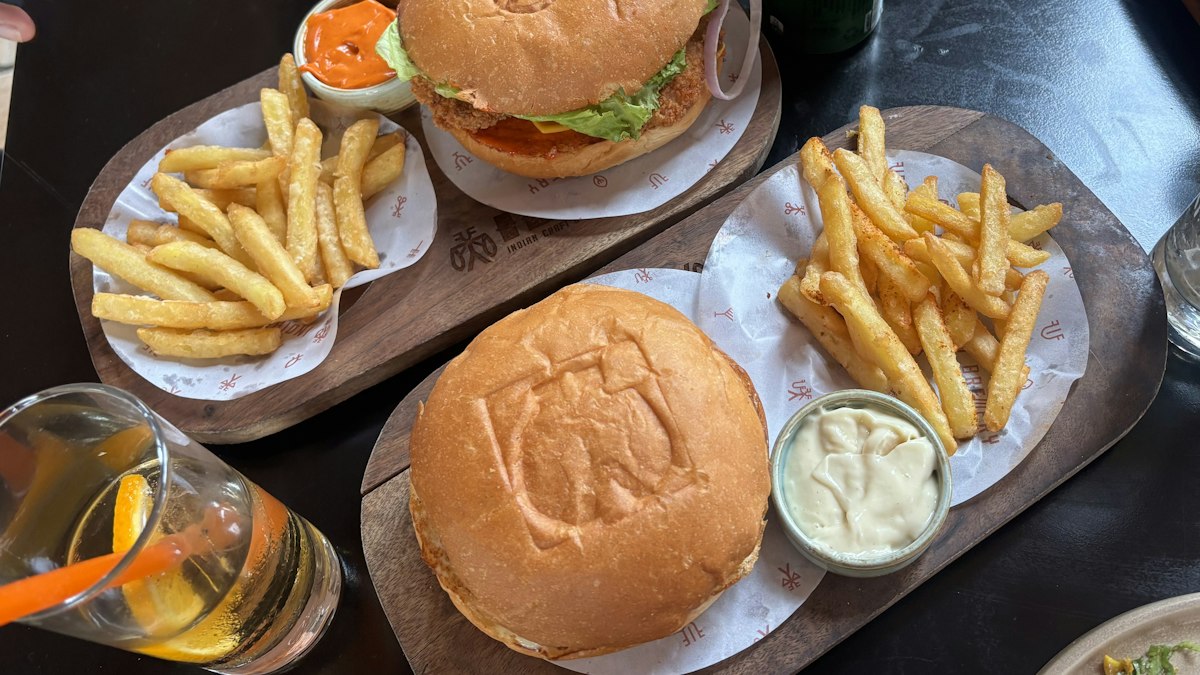
Smoked Paprika Aioli: Stir one teaspoon of smoked paprika into the finished base recipe. The sweet, smoky flavor makes an excellent dipping sauce for fried potatoes or roasted vegetables. In this version it is worth reducing the garlic by half so the paprika can lead without competition.
Herb Aioli: Blend fresh basil, flat-leaf parsley, or tarragon directly into the sauce for a pale green result. Because the herbs introduce extra moisture, reduce the oil by 10–20 ml and adjust the lemon juice slightly to compensate, keeping the emulsion stable.
Storage and How to Use It
Because aioli contains raw egg yolk, careful handling matters. Store it in a sealed container in the refrigerator. According to guidelines for egg-containing emulsified sauces published by the International Commission on Microbiological Specifications for Foods (ICMSF), consuming the sauce within 3–4 days of preparation is recommended. Spreading a thin film of olive oil across the surface before sealing slows oxidation and helps preserve the flavor.
Aioli is at home across a wide range of uses: as a dipping sauce for a tapas spread, as a spread on grilled bread, or as a finishing sauce alongside pan-seared fish. Because the technique is built around olive oil's flavor rather than around it, the quality of the oil you choose accounts for at least half of what ends up in the bowl.
Frequently asked questions
- What is the difference between aioli and mayonnaise?
- The key difference is the oil. Mayonnaise uses a neutral vegetable oil so that the egg flavor comes forward; aioli uses extra virgin olive oil, whose grassy, peppery character — combined with raw garlic — defines the sauce. According to culinary materials published by Spain's ICEX, a fruity, low-acidity extra virgin is considered the most appropriate choice for traditional aioli.
- What ratio of olive oil to egg yolk should I use for aioli?
- A widely recommended starting point is 150–180 ml of olive oil per single egg yolk, with one to two garlic cloves (roughly 5–8 g), one tablespoon of lemon juice, and a pinch of salt. Using more oil than this strains the emulsion; using less leaves the sauce thin and egg-forward.
- Why does my aioli keep breaking?
- The four most common causes are: adding oil too quickly in the early stage (the first 30–50 ml must go in drop by drop); mixing cold egg yolks with room-temperature oil without letting both reach the same temperature; not reducing the water content of the garlic before adding it; and using an olive oil that is so intensely flavored it clashes with the garlic and creates bitterness.
- Can I fix aioli after it has broken?
- Yes. Whisk a fresh egg yolk in a clean bowl, then add the broken sauce drop by drop as if starting over — most batches can be rescued this way. If you are using a hand blender, pour the oil into the container first, add the yolk on top, press the blender to the bottom, run it for about ten seconds, then slowly draw it upward.
- How long does homemade aioli keep in the refrigerator?
- According to guidelines for egg-containing emulsified sauces issued by the International Commission on Microbiological Specifications for Foods (ICMSF), consumption within 3–4 days of preparation is recommended, stored in a sealed container in the refrigerator. Spreading a thin layer of olive oil over the surface before sealing can slow oxidation and help preserve flavor.
Related reading
- Caponata, Arancini, Granita: How Sicily Uses Olive Oil at Every Stage of a Meal
In Sicily, olive oil is not a condiment—it is the structural language of the kitchen. From the slow soffritto that opens a caponata to the finishing drizzle that closes it, the island's cooks assign oil a precise role at every moment of cooking.
- Hummus, Shakshuka, Sabich: How Israeli Cooking Uses Olive Oil at Every Layer
From the finishing pour on hummus to the base of a shakshuka and the layered construction of a sabich, olive oil functions as a primary ingredient on the Israeli table — not a neutral medium. This guide traces how Levantine culinary tradition treats the oil itself as the point.
- Roasting Vegetables in Olive Oil: Oil Quantity and Temperature by Vegetable Type
Not every vegetable needs the same amount of olive oil or the same oven temperature. This guide breaks down the optimal combinations by moisture content, starch level, and structure — so roasted vegetables come out evenly cooked with genuine depth of flavor.
- Balsamic, White Wine, or Apple Cider: Matching Vinegar Acidity to Your Olive Oil
The balance of a vinaigrette depends on understanding two very different kinds of acidity — the acetic acid in vinegar and the free fatty acids in olive oil. A guide to ratios, emulsification, and cultivar matching for three classic dressings.
- Ciabatta, Sourdough, Focaccia: Matching Bread Character to Olive Oil Intensity
Ciabatta, sourdough, and focaccia each bring a distinct fermentation profile, crumb structure, and crust to the table. Matching olive oil intensity to bread character lets both ingredients amplify each other rather than compete.
- The Mediterranean Art of Oil Poaching Fish: Ratios, Temperatures, and Cultivar Pairings
Oil poaching — gently cooking fish submerged in olive oil at low heat — is a cornerstone technique of Mediterranean kitchens. This guide covers everything from choosing the right EVOO to precise temperature ranges and the oil ratios that make the difference.