Table
Balsamic, White Wine, or Apple Cider: Matching Vinegar Acidity to Your Olive Oil
The balance of a vinaigrette depends on understanding two very different kinds of acidity — the acetic acid in vinegar and the free fatty acids in olive oil. A guide to ratios, emulsification, and cultivar matching for three classic dressings.
Translated from the Korean edition, originally published October 28, 2026 · read the original
The Core Concept: What 'Acidity Balance' Actually Means in a Dressing
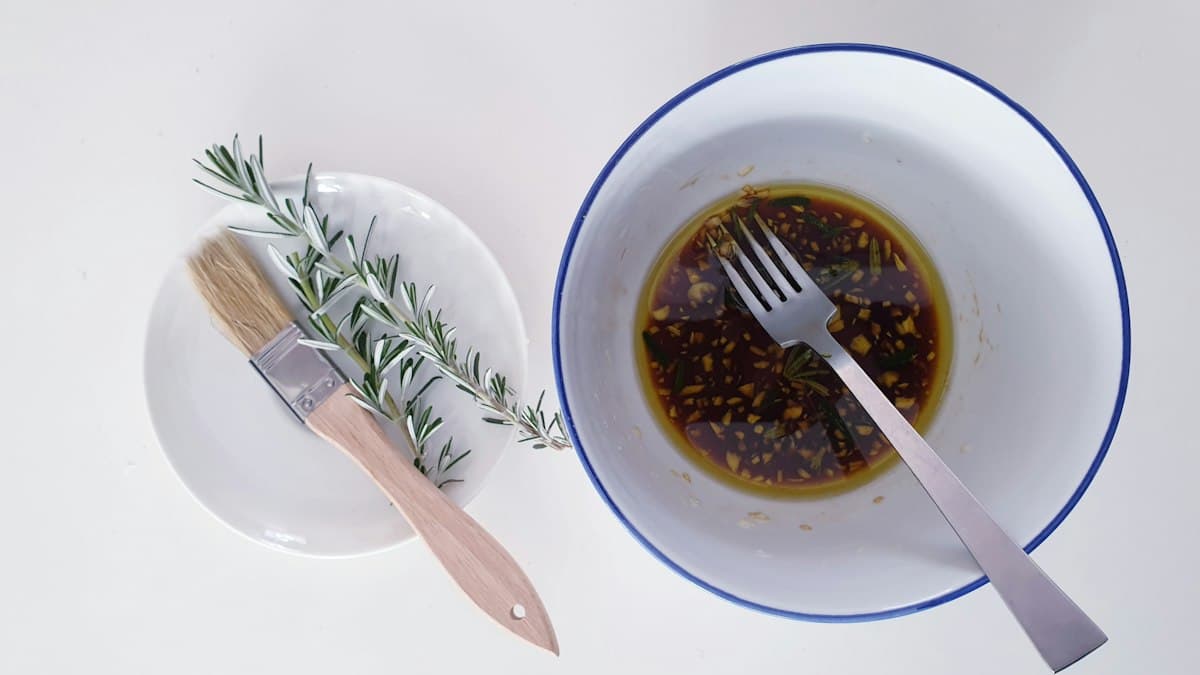
A vinaigrette is more than oil and vinegar shaken together. Because the two liquids are chemically immiscible, the ratio and the emulsification process determine the entire flavor of the result. Acidity in vinegar is expressed as the concentration of acetic acid, and that figure varies considerably from one vinegar to the next. According to Harold McGee's On Food and Cooking, vinegar acetic acid concentration generally falls in the 4–8% range, and it is that number that controls the sharpness of a dressing and the length of its finish.
Olive oil uses the word acidity to mean something entirely different. In olive oil, acidity refers to free fatty acid content expressed as a percentage of oleic acid; extra virgin grade requires 0.8% or below. The lower that number, the cleaner the oil's texture, and the less it clashes with the sour note of the vinegar. Understanding both figures separately is the prerequisite for talking about balance in a dressing.
Three Vinegars: Acidity and Flavor Profiles Side by Side
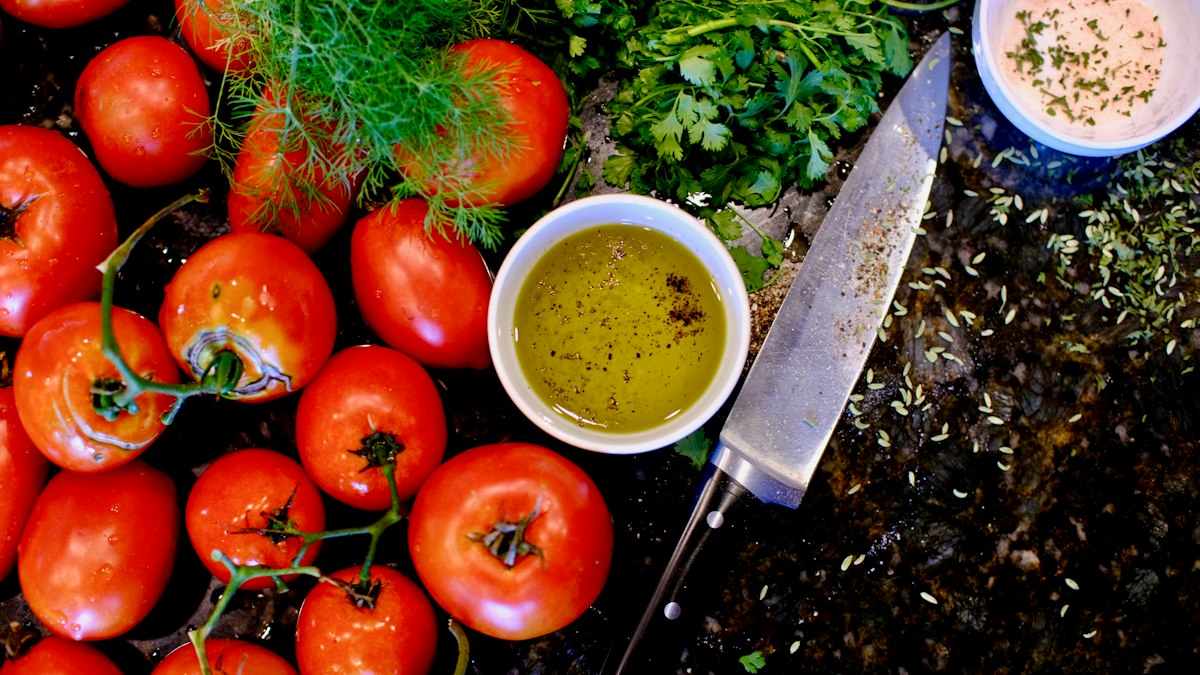
Balsamic vinegar is the traditional condiment of Modena, Italy, with an acetic acid concentration that typically sits at 4–6%. That said, the natural sugars derived from cooked grape must (mosto cotto) wrap around the sourness in a way that makes the perceived sharpness far gentler than a white wine vinegar at the same concentration. According to the EFSA food composition database, traditional Aceto Balsamico Tradizionale contains two to three times the sugar of commercial balsamic, producing a noticeably more complex flavor. As a starting ratio for dressing, 1 part balsamic to 3 parts oil is the conventional entry point; if the sweetness feels excessive, shift the balance toward more oil.
White wine vinegar registers 5–7% acidity — the sharpest and most defined of the three. A lingering fruitiness from grape fermentation adds a certain elegance, but at full strength it can overwhelm the inherent aroma of the olive oil. It performs best alongside assertive flavoring agents such as herbs, garlic, or shallots. The recommended ratio is 3 parts oil to 1 part vinegar; for lighter salads, moving to 4:1 is reasonable.
Apple cider vinegar sits at 4–6% acetic acid with a faint apple character layered on top, making it more approachable than white wine vinegar and lighter than balsamic. According to the USDA FoodData Central database, unfiltered apple cider vinegar contains a cellulose-and-bacteria culture known as the "mother," which has been reported to add a slight astringency and depth to a dressing. It pairs naturally with sweeter ingredients — fruit salads, coleslaw, and similar preparations.
The Classic Ratio and How to Emulsify
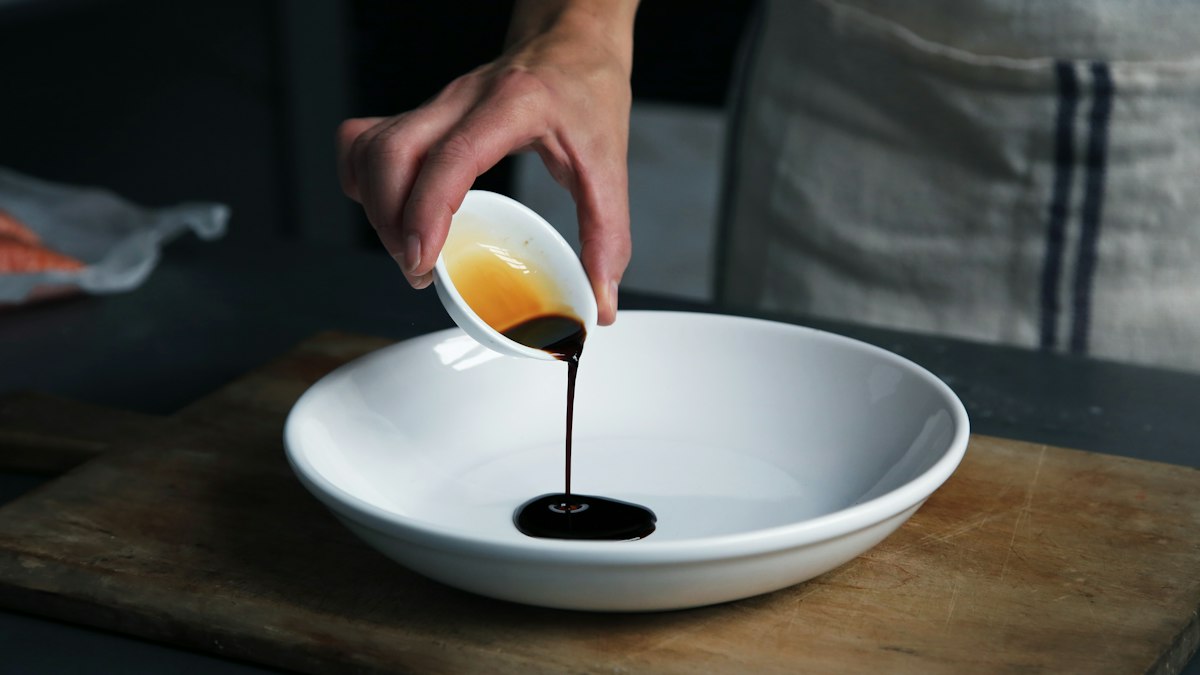
The long-established baseline for vinaigrette is 3 parts oil to 1 part vinegar. Le Cordon Bleu's foundational culinary curriculum presents this as the starting point for a classic vinaigrette, with fine-tuning based on the vinegar's acidity and the balance of salt and sweetness in the dish.
That said, 3:1 is a reference point, not a rule. The optimal ratio shifts with the type of vinegar and the intensity of the olive oil's flavor.
- Balsamic + a bold extra virgin: 3:1 or 2.5:1
- White wine vinegar + a lighter extra virgin: 3:1 to 4:1
- Apple cider vinegar + a medium-intensity oil: 3:1 as a base; 2:1 if you want a sweeter dressing
Emulsification is the process of bringing those two layers together. Adding around half a teaspoon of mustard at the start introduces lecithin, which acts as a natural surfactant and produces a smooth dressing without excessive whisking. A small amount of honey or maple syrup serves a dual purpose: it adds sweetness that softens acidity, and it contributes a little extra binding. Salt should always be dissolved in the vinegar before the oil is added, because fat interferes with salt's ability to dissolve.
Choosing an Olive Oil: Acidity and Flavor Intensity as the Criteria
When selecting an olive oil for dressing, free fatty acid content (acidity) and polyphenol level are both worth considering. A lower acidity means a cleaner-tasting oil that lets the vinegar's own character come through; a higher polyphenol content introduces a pleasant bitterness that adds dimension to the dressing.
For a bold balsamic dressing, an oil high in polyphenols with a peppery finish works well. A cultivar like Picual, with its characteristically bitter aftertaste, creates a striking contrast against balsamic's sweetness. For white wine vinegar, whose acidity is already sharp and clear, an oil like Ojiblanca — soft, fruity, and low in acidity — prevents the overall result from tipping into harshness. Apple cider vinegar dressings are best served by a medium-intensity oil: a cultivar like Sibarita, with its nutty and delicate profile, supports the other ingredients rather than competing with them.
Three Base Recipes
Classic Balsamic Vinaigrette 1½ tablespoons balsamic vinegar, 4 tablespoons extra virgin olive oil, ½ teaspoon Dijon mustard, ½ teaspoon honey, salt and pepper to taste. Combine the vinegar, mustard, honey, and salt in a bowl and mix well. Add the oil in a thin, steady stream while whisking to emulsify.
Herb White Wine Vinaigrette 1 tablespoon white wine vinegar, 3 tablespoons extra virgin olive oil, 1 teaspoon minced shallot, ½ teaspoon each of chopped tarragon and parsley, a pinch of salt. Because the acidity is pronounced, keeping the oil proportion generous is the key adjustment.
Apple Cider Honey Dressing 1½ tablespoons apple cider vinegar, 3 tablespoons extra virgin olive oil, 1 teaspoon honey, ½ teaspoon whole-grain mustard, a small amount of minced garlic. Works well across coleslaw, carrot salad, and fruit salads.
All three dressings keep for 5 to 7 days in a sealed container in the refrigerator. The oil may solidify when chilled; leave the dressing at room temperature for about 10 minutes and shake again to restore the emulsion before serving.
Final Adjustments: Tasting and Tuning
When tasting a finished dressing, if the sourness is too aggressive, add more oil or neutralize with a small amount of honey or sugar. If the dressing tastes flat or heavy, a little extra vinegar or a few drops of lemon juice will sharpen it. Salt performs a useful function here beyond seasoning — it simultaneously amplifies both sweetness and acidity, so a pinch added to a dressing that tastes one-dimensional often produces an immediate shift.
As a general rule, dressing should be added immediately before serving rather than tossed in advance. The acid in vinegar breaks down plant cell walls and draws out moisture, meaning that vegetables left dressed for more than around ten minutes will wilt and the dressing itself will taste diluted. If the acidity balance has been carefully calibrated, the timing of when it hits the salad is the final step that determines whether that work is perceptible on the plate.
Frequently asked questions
- What is the standard oil-to-vinegar ratio for vinaigrette?
- The widely used starting point is 3 parts oil to 1 part vinegar. Le Cordon Bleu's foundational culinary texts cite this as the classic vinaigrette ratio, with adjustments made based on the vinegar's acidity and the presence of sweet or salty elements.
- How is olive oil acidity different from vinegar acidity?
- They measure entirely different things. Vinegar acidity refers to its acetic acid concentration, typically 4–8% depending on type. Olive oil acidity measures free fatty acid content expressed as a percentage of oleic acid — extra virgin olive oil must register at or below 0.8% by IOC and EU standards. The two figures are not comparable but both affect how a dressing tastes.
- Which vinegar is the mildest for vinaigrette?
- Balsamic vinegar typically reads 4–6% acetic acid, but its natural sugars from concentrated grape must (mosto cotto) soften the perceived sharpness considerably, making it feel gentler than white wine vinegar at a similar acidity level. According to the EFSA food composition database, traditional Aceto Balsamico Tradizionale contains two to three times more sugar than commercial balsamic, adding further complexity.
- Why does mustard help a vinaigrette stay combined?
- Mustard contains lecithin, a natural emulsifier that acts as a surfactant between oil and water-based vinegar. Adding around half a teaspoon before incorporating the oil produces a smoother, more stable dressing without vigorous shaking.
- How long does homemade vinaigrette keep in the fridge?
- All three recipes in this guide are best used within 5 to 7 days when stored in a sealed container in the refrigerator. The olive oil may solidify when chilled; let the dressing sit at room temperature for about 10 minutes and shake again to re-emulsify before serving.
Related reading
- Ciabatta, Sourdough, Focaccia: Matching Bread Character to Olive Oil Intensity
Ciabatta, sourdough, and focaccia each bring a distinct fermentation profile, crumb structure, and crust to the table. Matching olive oil intensity to bread character lets both ingredients amplify each other rather than compete.
- Roasting Vegetables in Olive Oil: Oil Quantity and Temperature by Vegetable Type
Not every vegetable needs the same amount of olive oil or the same oven temperature. This guide breaks down the optimal combinations by moisture content, starch level, and structure — so roasted vegetables come out evenly cooked with genuine depth of flavor.
- Cold Dishes, Full Flavor: Choosing Olive Oil for Gazpacho, Cold Pasta, and Chilled Salads
When heat is removed from the equation, olive oil has nowhere to hide. A guide to matching cultivar character, acidity, and polyphenol levels to gazpacho, cold pasta, and chilled salads.
- The Mediterranean Art of Oil Poaching Fish: Ratios, Temperatures, and Cultivar Pairings
Oil poaching — gently cooking fish submerged in olive oil at low heat — is a cornerstone technique of Mediterranean kitchens. This guide covers everything from choosing the right EVOO to precise temperature ranges and the oil ratios that make the difference.
- Matching Olive Oil Intensity to Your Ingredients: A Pairing Guide
Acidity and grade tell you whether an olive oil is good; intensity tells you where it belongs on the plate. This guide walks through the mild, medium, and intense tiers — and the cooking variables that shift the equation.
- Egg Salad Without Mayonnaise: A Ratio Guide to EVOO Dressing
An extra virgin olive oil base can replace mayonnaise in egg salad entirely — yielding a cleaner, brighter flavor with a lighter texture. This guide covers the core oil-to-acid ratio, cultivar-by-cultivar flavor differences, and practical tips for texture and storage.