Table
Root Vegetables, Mushrooms, Nuts, and Squash: Pairing EVOO Intensity This Autumn
Autumn's defining ingredients share a common thread — earthy sweetness drawn from the soil. This guide maps four seasonal categories to the right EVOO intensity, so the oil supports rather than overwhelms.
Translated from the Korean edition, originally published November 5, 2025 · read the original
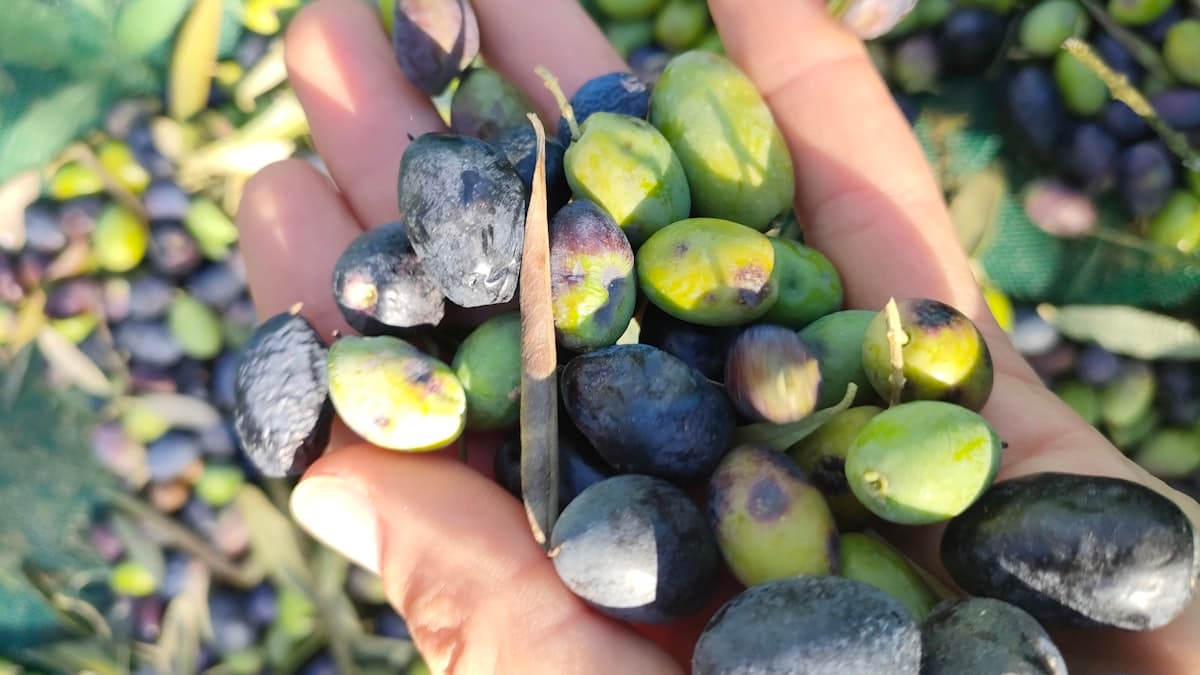
Autumn's seasonal ingredients converge around a single axis: sweetness and nuttiness drawn slowly from the earth. Think of the gradual sugars in root vegetables, the fleeting earthiness of mushrooms, the dry richness of nuts, and the full, ripe sweetness of squash and pumpkin. According to chefs who work with these ingredients, extra virgin olive oil (EVOO) earns its place at the autumn table not by dominating but by lifting what is already there.
Root Vegetables Call for a Medium-Robust EVOO with Grass and Pepper
Carrots, parsnips, beetroot, and celeriac release their deepest sweetness when roasted slowly — typically at around 200 °C for 30 to 40 minutes. For this application, a medium or medium-robust EVOO is widely recommended. An oil that retains lively grass and pepper notes creates a counterpoint to the caramelised sweetness rather than merging with it.
A preparation that appears frequently in chef recommendations: toss the vegetables with two tablespoons of EVOO, salt, and a sprig of thyme before roasting, then drizzle once more at the table just before serving. Beetroot, with its particularly pronounced earth note, is often singled out as pairing especially well with the peppery finish typical of oils from Puglia or Tuscany.
Mushrooms Suit a Gentle, Mild-to-Medium EVOO
Shiitake, king oyster, button, maitake, and porcini all share aromas that are brief and highly volatile. A robust oil risks smothering precisely what makes mushrooms worth cooking in the first place, which is why a mild-to-medium intensity is the consistent recommendation. Ligurian Taggiasca-style oils and softer Arbequina-based oils are the names most frequently mentioned in this context.
The basic technique is straightforward: heat one tablespoon of EVOO with a clove of garlic over a medium flame, sauté the mushrooms for four to five minutes, season with salt at the end, then remove from the heat and add one final drizzle of unheated EVOO. That last pass functions as a finishing oil, preserving aromatic compounds that would otherwise cook off. The pairing of mushrooms and walnuts — itself a small autumn tradition — works particularly well finished this way.
Nuts Pair with a Medium EVOO That Holds Back on the Spice
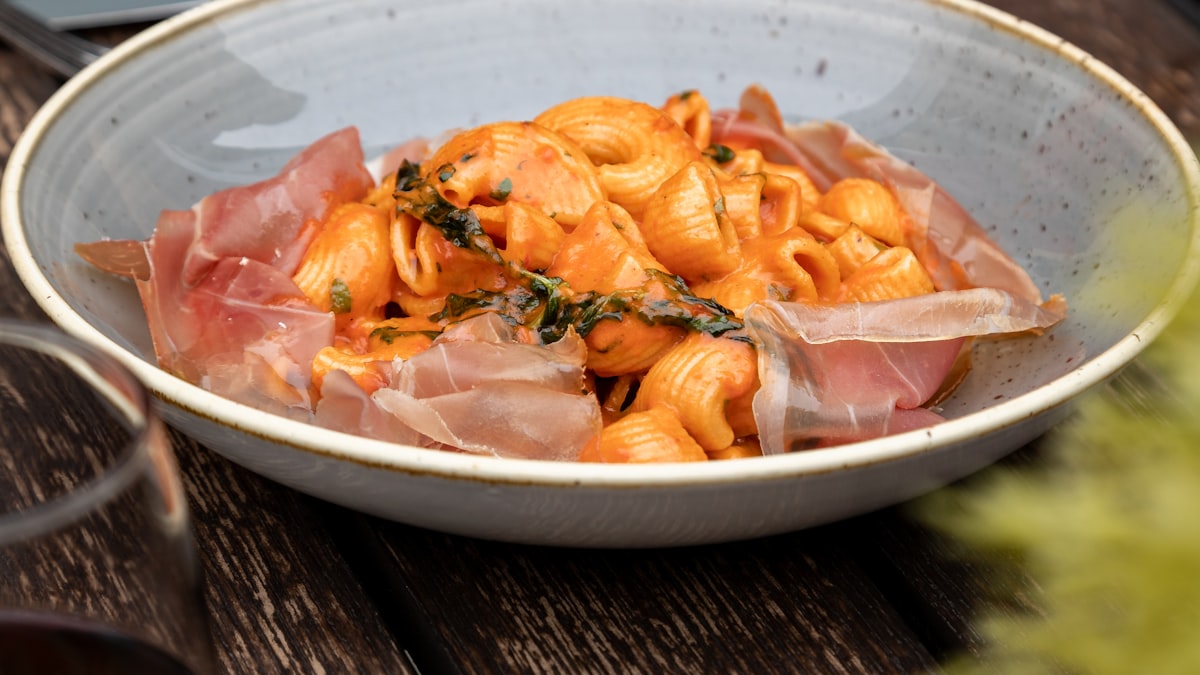
Walnuts, hazelnuts, and almonds occupy the same fat register as EVOO, which makes the combination feel cohesive rather than layered. Practical applications include a green leaf salad with toasted walnuts, EVOO, and sherry vinegar; a hazelnut, parsley, garlic, and Parmesan sauce used in place of a classic pesto; or a simple autumn dessert of fresh figs and hazelnuts finished with a thread of oil.
The recurring caution here is to avoid an overly peppery or aggressively bitter EVOO. The softness that defines the eating quality of nuts is easily overwhelmed, and the whole point of the pairing is to let both elements contribute.
Squash and Pumpkin Want a Single Thread of Bitterness
Kabocha, butternut squash, and round pumpkin varieties share a sweetness that is both strong and rounded. The analytical framing chefs use is that this roundness needs a counterweight — an EVOO where the grassy, bitter axis is still clearly present. A Tuscan-style oil is the type most frequently cited.
For a kabocha soup, a finishing drizzle of such an oil alongside cracked pepper is a common recommendation. Butternut gratin is often built with nutmeg, EVOO, and Parmesan. Roasted round pumpkin needs little more than sage and EVOO. In each case, the structural idea is the same: place one thread of bitterness alongside the squash's inherent sweetness.
At the autumn table, EVOO is ultimately closest to a finishing gesture. Chefs share the same emphasis: it is the drizzle added after roasting, after cooking, after the dish has had a moment to rest — that final pass is what sets the aroma of the plate.
Frequently asked questions
- Which EVOO intensity works best with roasted root vegetables?
- A medium to medium-robust EVOO with a grassy, peppery character is generally recommended. The slight bitterness and pepper notes create a pleasant contrast with the concentrated sweetness that develops when root vegetables are roasted at around 200 °C for 30 to 40 minutes.
- Does a strong olive oil overpower mushrooms?
- Chefs widely caution against it. Mushrooms have short, volatile aromas that a robust oil can easily mask. A mild to medium EVOO — such as a Ligurian Taggiasca-style or a gentle Arbequina — lets the mushroom's earthy fragrance come through.
- Can EVOO be paired with nuts and nut-based sauces?
- Yes. Walnuts, hazelnuts, and almonds sit on the same fat axis as EVOO, so they blend naturally. The key advice from cooks is to avoid an overly spicy or intensely bitter oil, which can drown out the nuts' own soft, creamy character.
- What type of EVOO suits butternut squash or pumpkin dishes?
- Because squash and pumpkin have a round, pronounced sweetness, an oil with a clear grassy and bitter streak — such as a Tuscan-style EVOO — is said to provide balance, adding a single thread of bitterness alongside the sweetness.
- When in the cooking process should finishing EVOO be added to autumn dishes?
- A common approach is to add EVOO before cooking (for coating and seasoning) and then drizzle a second, unheated pass at the table after the dish has rested. This final drizzle is what chefs describe as the moment that defines the aroma of the finished plate.
Related reading
- Ciabatta, Sourdough, Focaccia: Matching Bread Character to Olive Oil Intensity
Ciabatta, sourdough, and focaccia each bring a distinct fermentation profile, crumb structure, and crust to the table. Matching olive oil intensity to bread character lets both ingredients amplify each other rather than compete.
- Guacamole, Tacos, and Olive Oil: A Pairing That Goes Back Centuries
From sixteenth-century Spanish missionaries to modern Latin kitchens in Mexico City, New York, and Los Angeles, extra virgin olive oil has long had a place at the Mexican table. This guide traces the history and explores how chefs are using it today.
- Pairing Olive Oil with Wine: A Guide to Matching Aromas, Bitterness, and Texture
Extra virgin olive oils differ markedly in acidity, bitterness, and fruitiness — and each profile calls for a different wine partner. This guide maps those sensory axes to white, red, and natural wines.
- A Drop of Science: Pairing Dark Chocolate with Extra Virgin Olive Oil
A drizzle of extra virgin olive oil over dark chocolate softens bitterness and amplifies aroma. From the molecular interactions of phenolic compounds to cultivar-by-cultivar pairing choices, OLEA explores this combination through the lens of culinary science.
- The Mediterranean Art of Oil Poaching Fish: Ratios, Temperatures, and Cultivar Pairings
Oil poaching — gently cooking fish submerged in olive oil at low heat — is a cornerstone technique of Mediterranean kitchens. This guide covers everything from choosing the right EVOO to precise temperature ranges and the oil ratios that make the difference.
- Matching Olive Oil Intensity to Your Ingredients: A Pairing Guide
Acidity and grade tell you whether an olive oil is good; intensity tells you where it belongs on the plate. This guide walks through the mild, medium, and intense tiers — and the cooking variables that shift the equation.
Tags
- pairing
- seasonal cooking
- extra virgin olive oil
- autumn
- vegetables