Guides
Your First EVOO Home Tasting: Cups, Temperature, and Sequence
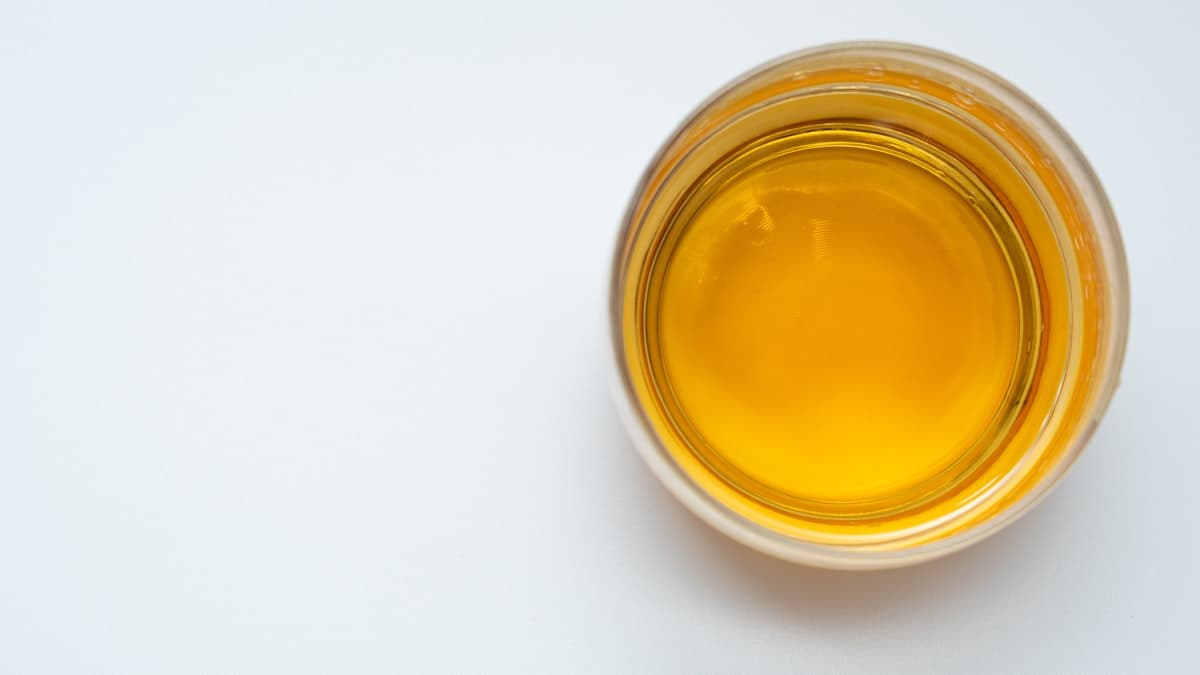
From the ISO-standard blue glass used at professional panels to the exact 28 °C warm-up, this step-by-step guide brings expert olive oil tasting technique into the home kitchen.
Notes on olive oil & taste
From the ISO-standard blue glass used at professional panels to the exact 28 °C warm-up, this step-by-step guide brings expert olive oil tasting technique into the home kitchen.

The three positive attributes at the heart of professional olive oil evaluation — fruitiness, bitterness, and pungency — are not arbitrary descriptors. Understanding exactly what they mean changes how you read a label, trace an origin, and choose a bottle.
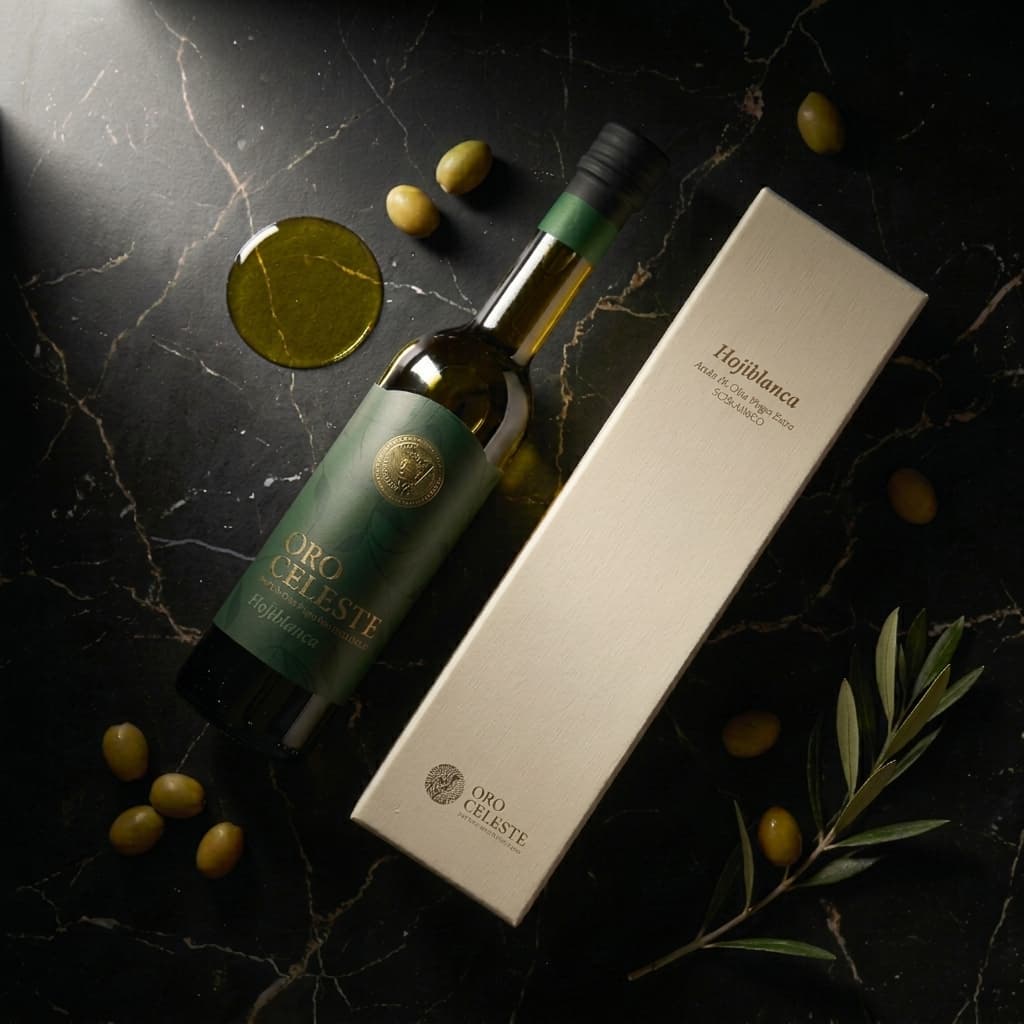
Acidity and polyphenol numbers set the baseline, but the IOC's six-point sensory evaluation is where an EVOO's personality actually shows. This guide walks through every criterion—color, aroma, taste, pepperiness, balance, and finish—across ORO CELESTE's Ojiblanca, Sibarita, and Picual expressions.
A structured one-month tasting journal trains the senses to distinguish cultivar aromas, polyphenol intensity, and oxidation over time. This guide sets up the environment, the daily routine, and the five attributes worth recording every session.
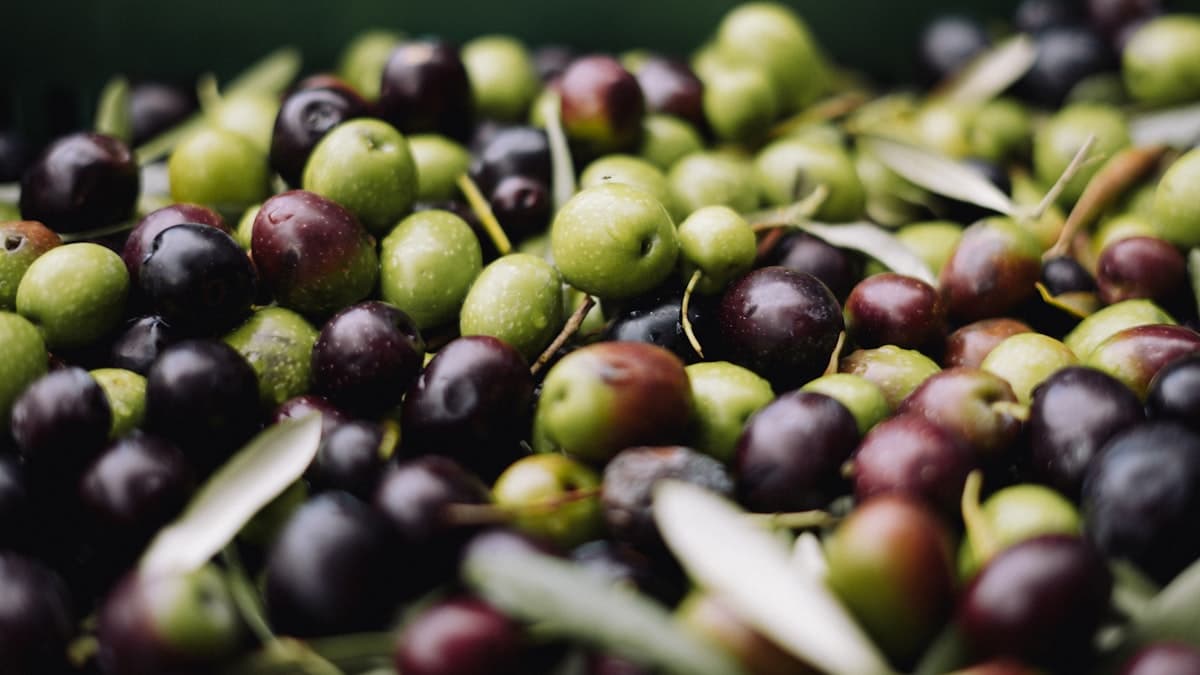
The International Olive Council's official sensory evaluation framework defines a precise vocabulary for tasting extra virgin olive oil — from fruity, bitter and pungent to rancid and musty. This guide walks through every key term, what causes it, and how to recognize it in the glass.
Cases of adulterated extra virgin olive oil — refined oils dyed to look the part — continue to surface in global markets. A focused check of three label signals is the fastest way to narrow the risk before you buy.

Finding freshness information on an olive oil label is harder than it looks. A guide to the dates, codes, and quiet signals that reveal what the bottle doesn't say outright.
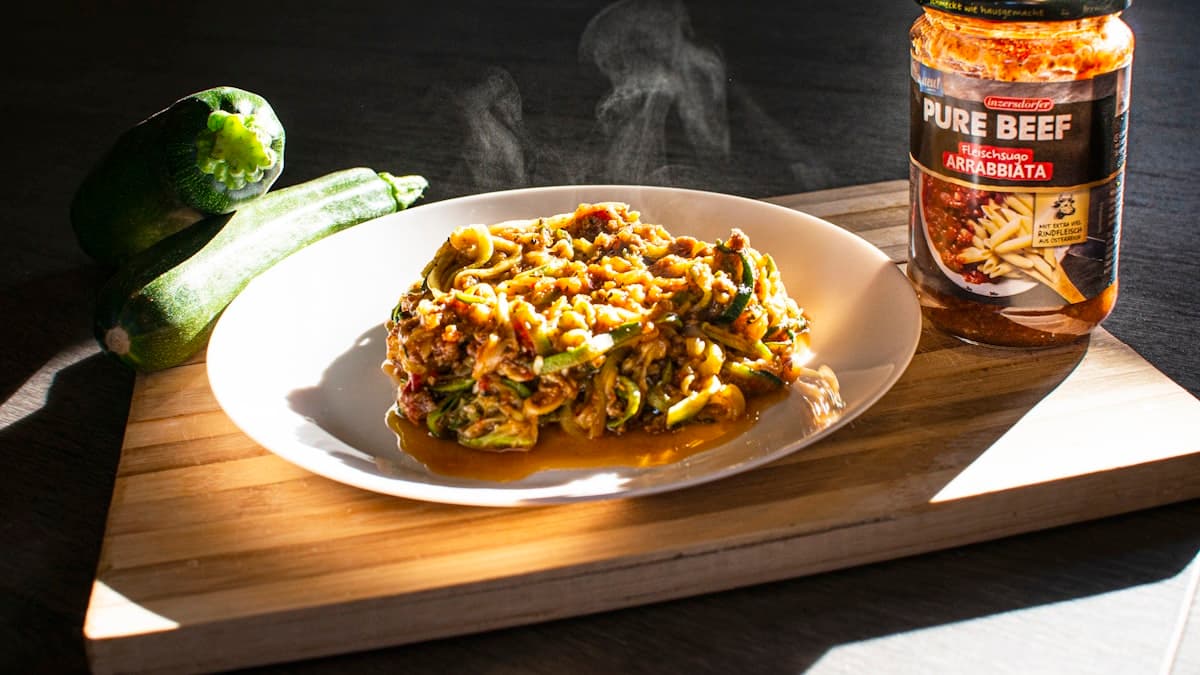
From a finishing pour over doenjang jjigae to kimchi bruschetta, extra virgin olive oil slots into the Korean fermented table more naturally than you might expect. Here is the flavor logic and the practical how-to.
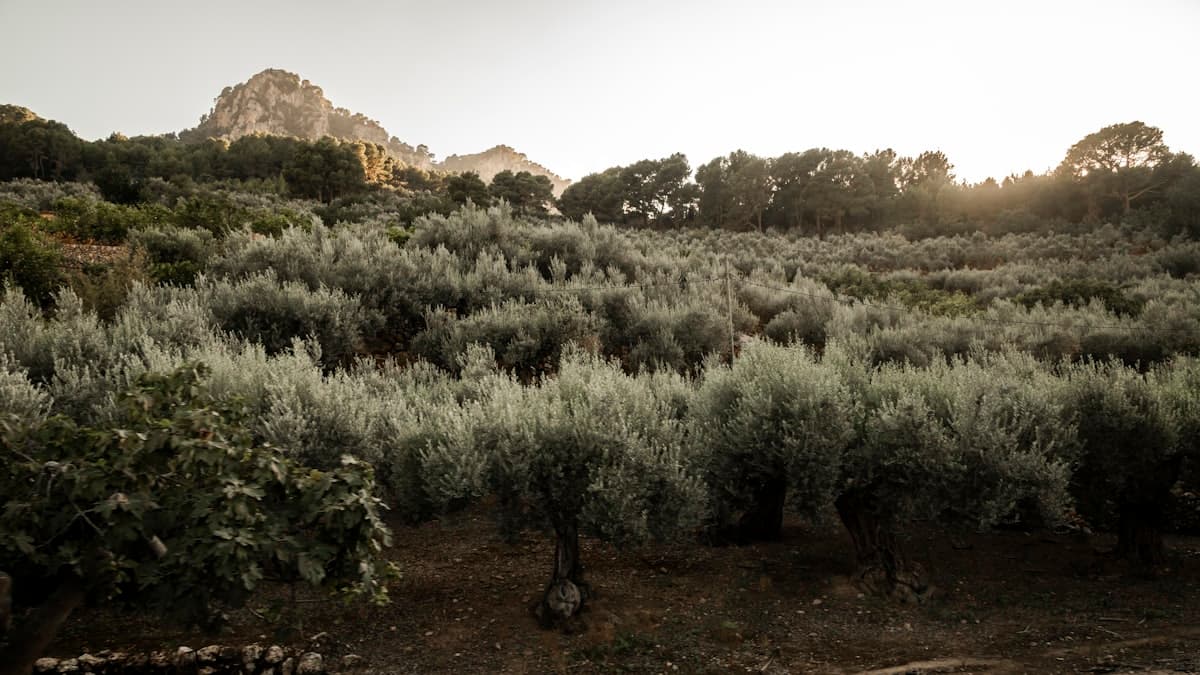
The years before menopause bring gradual shifts in estrogen and progesterone that can affect body composition, insulin sensitivity, and bone density. Mediterranean diet research suggests that the monounsaturated fats and polyphenols in extra virgin olive oil may contribute to dietary balance during this transitional decade.
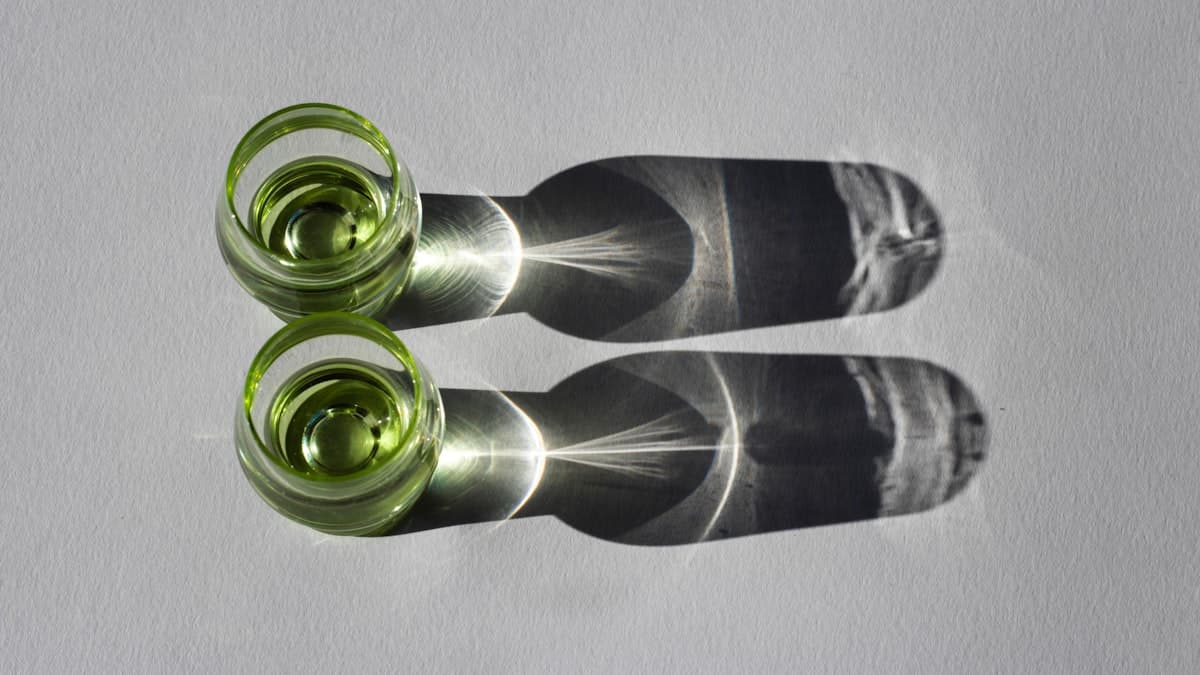
A cobalt-blue glass, a palm-warmed sample, and a roomful of trained evaluators — the official IOC sensory panel process reveals more about olive oil quality in minutes than any label ever could.
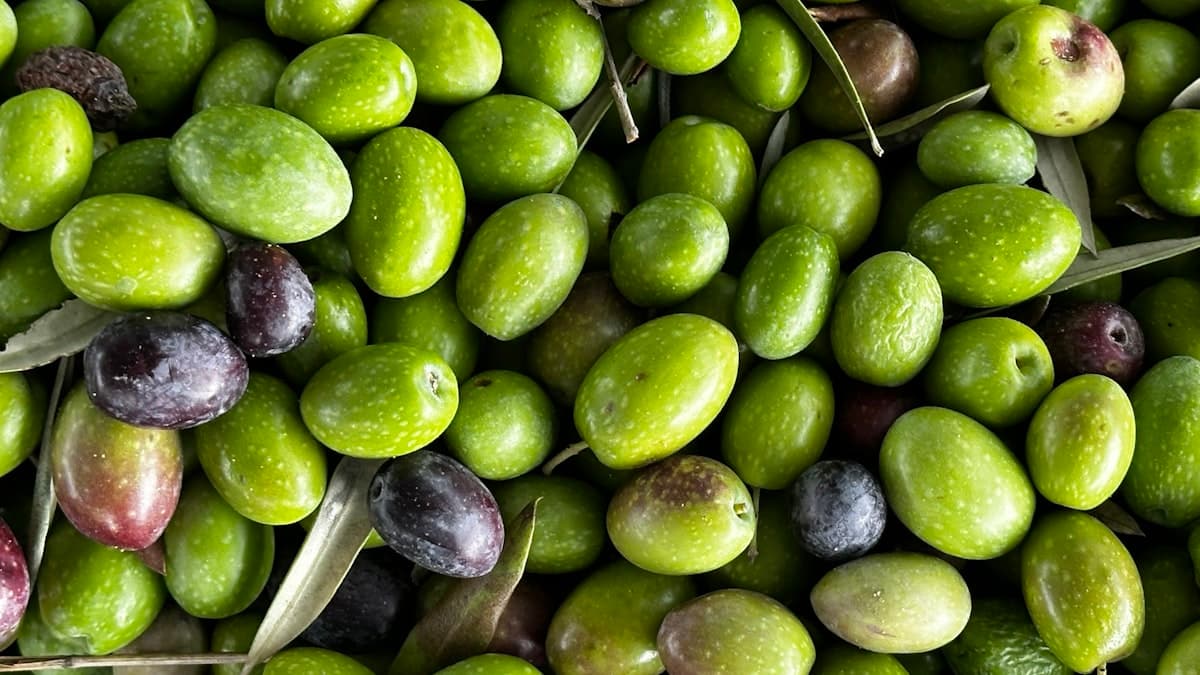
When two bottles of extra virgin olive oil sit at the same price point, the difference is usually already written on the label. A guide to the five things worth checking before you buy.
Olive oil bottles are crowded with acronyms — EVOO, PDO, DOP, PGI, IGP — drawn from different languages and regulatory bodies. Understanding what each mark actually certifies makes it far easier to choose well.