Table
The EVOO Tasting Glossary: Every IOC Positive and Negative Attribute Explained
The International Olive Council's official sensory evaluation framework defines a precise vocabulary for tasting extra virgin olive oil — from fruity, bitter and pungent to rancid and musty. This guide walks through every key term, what causes it, and how to recognize it in the glass.
Translated from the Korean edition, originally published August 19, 2026 · read the original
Why the Vocabulary Comes First
For anyone just beginning to explore extra virgin olive oil (EVOO), tasting notes can feel like a foreign language. Phrases such as 'green fruity', 'pungent' and 'rancid defect' sit side by side on the page, and without a shared framework it is difficult even to separate a good oil from a flawed one. The International Olive Council (IOC) first standardized the official language and methodology of olive oil sensory evaluation in 1996 through resolution RES-2/95-IV. Subsequent revisions have produced the current reference document, COI/T.20/Doc. No.15, which is used as the basis for EVOO grade certification worldwide. Understanding this vocabulary makes tasting notes readable — and makes choosing an oil at a shop or online considerably more precise.
Positive Attributes: The Language of a Good Olive Oil

The IOC framework consolidates positive attributes into three defining characteristics.
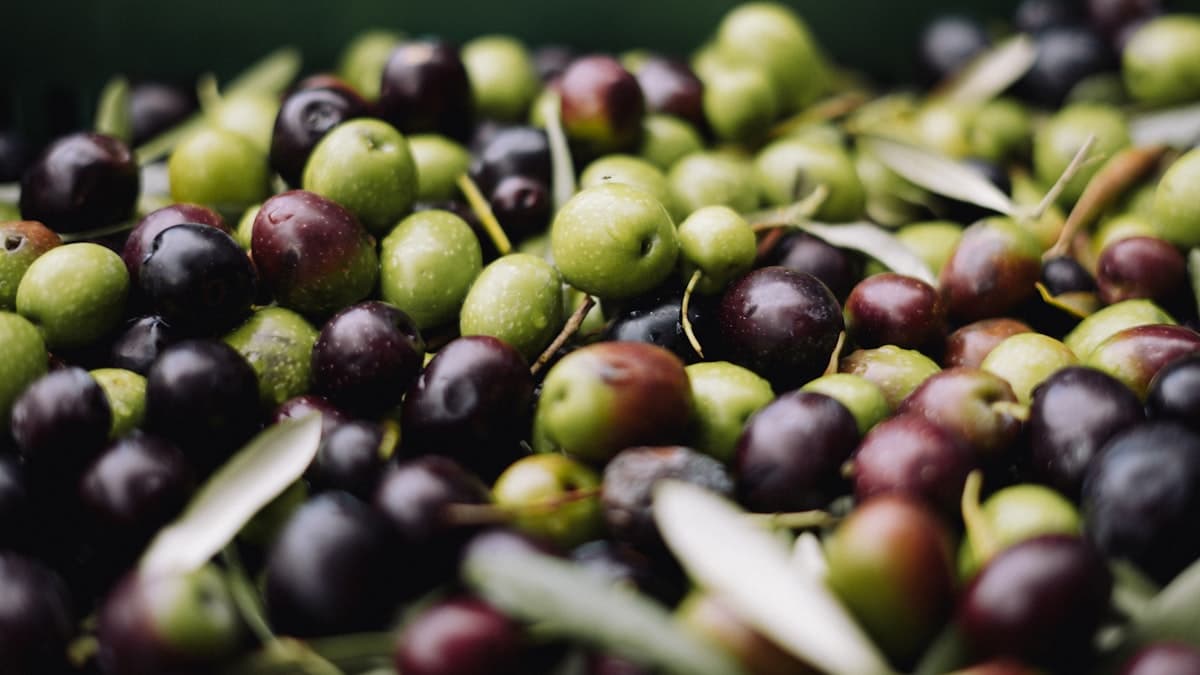
Fruity is the most central positive indicator in olive oil sensory evaluation. It describes aromas derived from healthy olive fruit, and its character shifts with harvest timing. Olives picked early yield green fruity notes — green apple, artichoke, freshly cut grass — while fruit harvested closer to full ripeness produces ripe fruity qualities: ripe tomato, fig, almond. Panelists score fruity intensity on a 1–10 scale; the IOC classifies oils below 3 as light, 3–6 as medium, and above 6 as intense.
Bitter is the sharp taste perceived at the back of the tongue. Many consumers mistake it for a defect, but the IOC classifies it as a positive attribute. It originates from the olive polyphenols oleuropein and ligstroside — the same compounds responsible for much of an oil's antioxidant profile. A study published in a journal of the American Chemical Society reported oleuropein-class compounds as the principal contributors to bitterness in EVOO. As a general rule, higher polyphenol content correlates with more pronounced bitterness.
Pungent is the peppery, burning sensation felt at the back of the throat on swallowing. It is associated with oleocanthal, a compound known to activate the capsaicin receptor TRPV1. Research on oleocanthal continues to accumulate, though it is too early to draw firm conclusions about its effects. The sensation can trigger a reflexive cough, and trained panels record its intensity informally as 'one cough' or 'two coughs.'
Negative Attributes: Names and Causes of the Main Defects
The IOC guidelines set strict limits on the level of defects permitted in EVOO. If any defect receives a panel median score above 3.5, the oil is disqualified from the extra virgin category. The principal negative attributes are as follows.
Rancid is the most common and most damaging defect. It arises when the unsaturated fatty acids in oil oxidize through exposure to oxygen, light or heat, producing an odor variously described as stale butter, paraffin or crayon. An oil that smells rancid is also likely to show elevated free acidity and peroxide values. Once rancidity sets in, it cannot be reversed.
Musty-Humid describes the moldy, earthy, cellar-like smell that develops when olives are stored in damp conditions after harvest, allowing fermentation or mold to take hold. It is fundamentally a raw-material hygiene problem.
Winey-Vinegary results from anaerobic fermentation in the olive flesh, which generates acetic acid and ethyl acetate. The oil smells of vinegar or wine. The most common causes are excessive delays between harvest and milling, or prolonged storage in sealed containers.
Muddy Sediment appears when oil is left in contact with settled solids for an extended period, allowing fermentation to progress. The result is a thick, murky, slightly putrid impression.
Cooked-Burnt is a heat-process defect produced when malaxation temperatures during extraction run too high. It is typically described as reminiscent of stewed beans or toasted pumpkin seeds.

Supporting Terms Used in the Tasting Room
Beyond the formal positive and negative categories, several descriptive terms appear regularly in professional tasting notes.
Balance refers to the harmonious relationship among the three positive attributes — fruity, bitter and pungent. When one element dominates sharply, or when fruitiness is present but bitter and pungent are almost entirely absent, tasters describe the oil as unbalanced.
Persistence denotes how long the flavors linger after swallowing. Higher-quality oils generally show longer persistence, with green or herbal impressions that remain in the nose and on the palate well after the oil has been swallowed.
Herby, artichoke, almondy and similar descriptors do not appear in the formal IOC vocabulary, but the international tasting community uses them routinely to characterize the traits of specific origins and cultivars. Spanish Picual, for example, is noted for tomato-leaf and rosemary aromas, while Italian Coratina is recognized for pronounced artichoke and almond nuances.
Putting the Terms to Work: A Home Tasting Routine
The IOC's official sensory evaluation protocol calls for 30 ml of oil warmed to 42 °C, served in a blue opaque glass that masks color and prevents visual bias. Replicating this at home is straightforward: cup a small glass in both hands, let body heat warm the oil for a minute, then cover the rim with your palm for 30 seconds to concentrate the aromas before bringing the glass to your nose.
The tasting sequence follows three steps — nose, palate, finish. First, assess the fruity character: is it green or ripe, light or intense? Next, take a small sip and roll the oil across the tongue, noting the intensity of bitterness and where on the palate it registers. Finally, swallow and pay attention to the pungency that develops at the back of the throat. According to IOC guidelines, even experienced panelists are advised to rinse with water and a slice of apple between samples to reset the palate. That simple routine is enough to make the terms snap into focus against real sensation.
Frequently asked questions
- What does 'pungent' mean in olive oil tasting?
- Pungent refers to the peppery, stinging sensation felt at the back of the throat when swallowing extra virgin olive oil. It is a positive attribute under IOC sensory guidelines, associated with the compound oleocanthal, which is known to activate the capsaicin receptor TRPV1. Experienced tasting panels sometimes describe its intensity as 'one cough' or 'two coughs.'
- Is bitterness in olive oil a defect?
- No. Bitterness is an official IOC positive attribute, not a defect. It is perceived at the back of the tongue and is linked to polyphenols — primarily oleuropein and ligstroside — present in healthy, fresh olives. A study published in a journal of the American Chemical Society reported oleuropein-class compounds as the principal contributors to bitterness in extra virgin olive oil.
- What causes the rancid smell in olive oil?
- Rancidity occurs when the unsaturated fatty acids in olive oil oxidize through exposure to oxygen, light or heat. The result is a smell often described as stale butter, paraffin or crayon. It is the most common and serious defect recognized by the IOC; once an oil has gone rancid, the process cannot be reversed.
- How do I tell green fruity from ripe fruity in an olive oil?
- Green fruity aromas — think green apple, artichoke and fresh-cut grass — come from olives harvested early, before full ripeness. Ripe fruity notes — ripe tomato, fig and almond — are characteristic of oils made from more mature fruit. Under the IOC scale, fruity intensity is scored from 1 to 10: below 3 is light, 3–6 is medium, and above 6 is intense.
- What is the correct way to taste olive oil at home?
- The IOC's official protocol uses 30 ml of oil warmed to 42 °C in a blue opaque glass, which masks color to prevent visual bias. At home, you can approximate this by cupping a small glass in both hands to warm it with body heat, covering the rim for 30 seconds to trap the aroma, then inhaling. The tasting sequence runs: nose first (fruity character), then palate (bitterness intensity and location), then throat (pungency on the finish). According to IOC guidelines, even trained panelists are advised to rinse with water and a slice of apple between samples to reset the palate.
Related reading
- California vs. European Olive Oil: How Origin Shapes Flavor
California has spent three decades building a serious olive oil industry, but the state's climate, cultivar mix, and harvesting philosophy produce a flavor profile that differs meaningfully from Mediterranean benchmarks. Here is what those differences actually mean at the bottle.
- Keep an EVOO Tasting Journal for One Month — Your Palate Will Never Be the Same
A structured one-month tasting journal trains the senses to distinguish cultivar aromas, polyphenol intensity, and oxidation over time. This guide sets up the environment, the daily routine, and the five attributes worth recording every session.
- Pairing Olive Oil with Wine: A Guide to Matching Aromas, Bitterness, and Texture
Extra virgin olive oils differ markedly in acidity, bitterness, and fruitiness — and each profile calls for a different wine partner. This guide maps those sensory axes to white, red, and natural wines.
- Decanting vs. Direct Pour: How You Serve Olive Oil Shapes Its Aroma
Whether to transfer extra virgin olive oil into a decanter or pour straight from the bottle is not merely a matter of style. Oxygen exposure time and temperature shifts both affect the volatile compounds responsible for fresh, complex aroma.
- Matching Olive Oil Intensity to Your Ingredients: A Pairing Guide
Acidity and grade tell you whether an olive oil is good; intensity tells you where it belongs on the plate. This guide walks through the mild, medium, and intense tiers — and the cooking variables that shift the equation.
- Bitter and Pungent: The Flavors That Signal a Healthy Olive Oil
The bitterness and pungency in extra virgin olive oil strike many first-time tasters as a flaw — but under the International Olive Council's sensory evaluation system, both are classified as positive attributes directly tied to polyphenol content.