Table
Tteok, Yakgwa, and a Drizzle of EVOO: Korean Desserts Meet Olive Oil
Extra virgin olive oil is quietly finding its way into Korean sweets — from steamed rice cake to honey-glazed yakgwa. The grassy bitterness of high-polyphenol EVOO turns out to be an unexpected complement to the spiced sweetness of traditional Korean desserts.
Translated from the Korean edition, originally published July 19, 2026 · read the original
Traditional Sweets, a New Oil
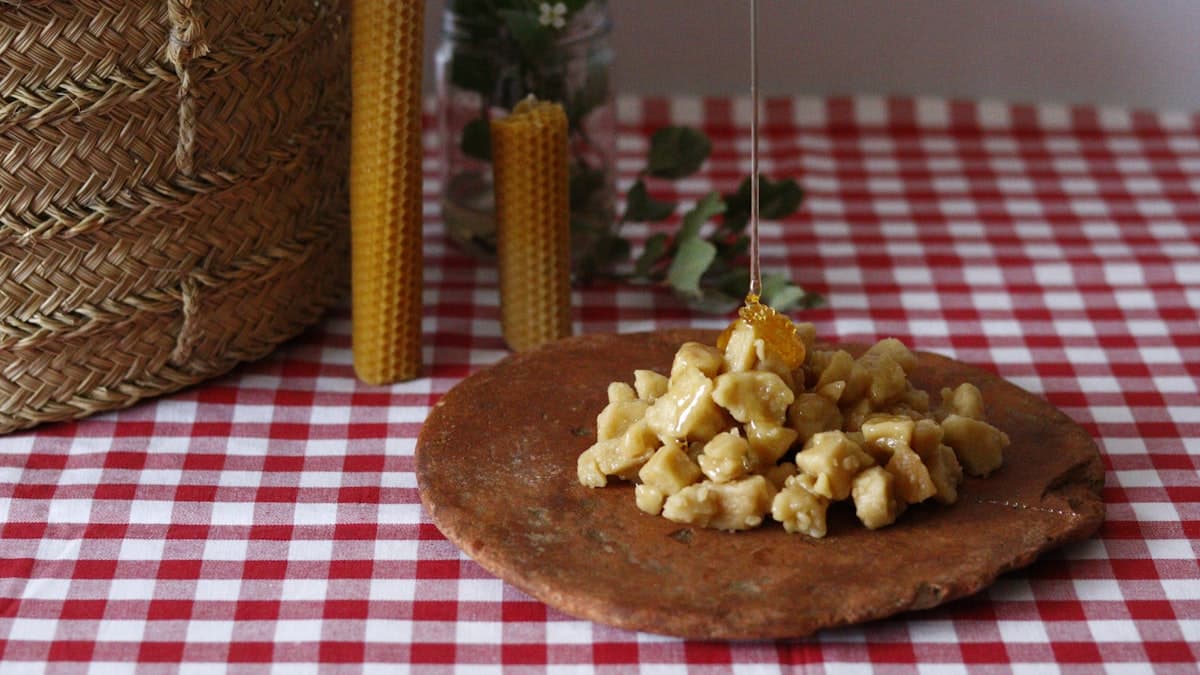
A drop of sesame oil on injeolmi, a splash of perilla oil in yakgwa dough — these have been the instinctive moves of Korean home kitchens for generations. Extra virgin olive oil (EVOO) is now cautiously joining that tradition. Its expansion from Mediterranean pantry staple into Korean dessert territory reads less as a passing trend than as a sign that cooks are thinking more carefully about what different fats actually bring to a dish.
According to data from the Korea Agro-Fisheries & Food Trade Corporation (aT), olive oil imports to Korea grew steadily after 2018, with annual consumption approaching a record high as of 2023. That growth has diversified the cooking-oil aisle, and it has also encouraged home cooks and pastry chefs to experiment with non-traditional fats in classic Korean sweets.
The Flavor Crossover — Why Olive Oil?
Both tteok and yakgwa are built on a foundation of nuttiness. Glutinous rice brings a dense, rounded sweetness; jocheong and honey add deep caramel notes; cinnamon and ginger layer in aromatic warmth. EVOO contributes two things that fit surprisingly well. The first is a fruity, grassy aroma with herbal undertones. The second is the gentle bitterness and peppery finish that linger at the back of the throat — sensations that originate from the oil's polyphenols.
Educational materials from ONAOO, the Italian olive oil certification body, explain that high-polyphenol cultivars such as Picual and Ojiblanca produce noticeably stronger bitter and pungent notes, and that these characteristics create a contrast effect when paired with high-sugar foods. The pairing is not without precedent: Italian and Spanish pastry traditions have long included drizzling EVOO over honey pastries and marzipan. Yakgwa's structure — a fried dough coated in grain syrup and scented with spices — shares a surprisingly close profile with those Mediterranean honey confections.
Tteok and Olive Oil — Notes from the Kitchen
The easiest starting point is baeksulgi or injeolmi-style rice cakes. Because these styles have little competing fat and let the rice itself speak, EVOO's aroma comes through without interference when used as a finishing oil. A common approach: drizzle 5–7 ml of a mild, golden EVOO over a freshly steamed slice of baeksulgi and finish with a pinch of fleur de sel. The result layers sweetness, saltiness, and a silky fat texture in a single bite. From the second half of 2024, posts sharing this combination — sometimes called "olive oil seolgi" — became noticeably more visible in Korean home-tasting communities.
Mixing EVOO directly into glutinous rice dough is also being explored. Replacing the typical 10 ml of sesame oil with 8–10 ml of EVOO per 200 g of glutinous rice flour keeps the dough's extensibility largely intact while shifting its aromatic character. The key is to add the oil at the mixing stage, not during high-heat shaping — and steaming is preferable to direct-flame cooking, since it reduces aroma loss from the oil.
Rethinking Yakgwa Dough
Yakgwa offers even more room to experiment. Traditional recipes use sesame or perilla oil as the fat in the dough, and a neutral vegetable oil — typically soybean or sunflower — for frying. Both stages have been tested with olive oil by a handful of Korean dessert cafés and home-baking communities.
For the dough fat, because EVOO's smoke point (roughly 190–210 °C) is not dramatically higher than sesame oil's, frying temperature should be kept at 160–170 °C. Cooking at a lower temperature for a longer time is reported to produce a denser interior crumb while allowing the oil's character to permeate the pastry. According to technical data from the International Olive Council (IOC), olive oil shows relatively high oxidative stability under repeated heating compared with refined vegetable oils, which means its durability as a frying medium should not be dismissed outright.
A finishing technique is also attracting attention: brushing a thin layer of assertive EVOO onto the yakgwa immediately after it is lifted from the jocheong soak. Many who have tried it describe a sharp gustatory contrast — the oil's bitterness cutting cleanly through the syrup's sticky sweetness.
Choosing the Right Bottle
When selecting EVOO for Korean sweets, flavor intensity is the primary variable. Mild, buttery styles suit understated desserts like baeksulgi or gyeongdan, where the grain's own flavor should lead. Medium to intense EVOO — from high-polyphenol cultivars such as Picual or Koroneiki — earns its place in spiced, heavily sweetened preparations like yakgwa or gangjeong, where it has enough presence to register alongside bold competing flavors.
Free acidity is a reliable freshness indicator: 0.3% or below is the generally recommended ceiling, and 0.2% or below delivers an even cleaner finish. Checking the harvest year and bottling date is equally important — the industry consensus is that EVOO flavor remains at its most vivid within 12–18 months of bottling.
An Early Conversation at the Table
The pairing of extra virgin olive oil with Korean desserts is still in its exploratory phase. It will take time before settled recipes emerge and the combination becomes widely recognized. But the experiments accumulating in home kitchens and specialty cafés are meaningful in themselves: they extend the flavor vocabulary of both traditions. Sesame oil earned its indispensable place in Korean dessert-making over centuries of use. Whether EVOO eventually claims a similar role will depend on what today's cooks and the next generation of pastry makers decide to do with the possibilities now being tested.
Frequently asked questions
- Can you use extra virgin olive oil in Korean rice cake (tteok)?
- Yes. Home cooks have been substituting EVOO for sesame oil in glutinous rice dough at roughly an 8–10 ml ratio per 200 g of rice flour. Because EVOO is more heat-sensitive than sesame oil, it works best at the mixing stage rather than during high-heat shaping, and steaming is preferred over direct-flame cooking to preserve aroma.
- What kind of olive oil goes best with yakgwa?
- Medium to intense EVOO — made from high-polyphenol cultivars such as Picual or Coratina — pairs well with yakgwa's strong spice and sweetness. The polyphenol-driven bitterness creates a clear contrast with the jocheong (grain syrup) glaze. Milder, buttery styles are better suited to more delicate rice sweets like baeksulgi.
- Is it safe to fry yakgwa in extra virgin olive oil?
- EVOO has a smoke point of roughly 190–210 °C, so frying temperature should be kept at 160–170 °C. According to technical data from the International Olive Council (IOC), olive oil shows relatively high oxidative stability under repeated heating compared with refined vegetable oils, which suggests it is not without durability as a frying medium — though monitoring temperature carefully remains important.
- What acidity level should I look for when buying EVOO for Korean desserts?
- A free acidity of 0.3% or below is a general benchmark for freshness and a clean finish; 0.2% or below is even cleaner. Also check the harvest year and bottling date — the industry consensus is that EVOO flavor is at its most vibrant within 12–18 months of bottling.
Related reading
- Caponata, Arancini, Granita: How Sicily Uses Olive Oil at Every Stage of a Meal
In Sicily, olive oil is not a condiment—it is the structural language of the kitchen. From the slow soffritto that opens a caponata to the finishing drizzle that closes it, the island's cooks assign oil a precise role at every moment of cooking.
- Guacamole, Tacos, and Olive Oil: A Pairing That Goes Back Centuries
From sixteenth-century Spanish missionaries to modern Latin kitchens in Mexico City, New York, and Los Angeles, extra virgin olive oil has long had a place at the Mexican table. This guide traces the history and explores how chefs are using it today.
- Butter Country No More: How Scandinavia Learned to Cook with Olive Oil
Olive oil is reshaping Nordic kitchens — from Copenhagen's Michelin-starred restaurants to Swedish home pantries. This guide traces how EVOO found its place alongside smoked fish, fermented rye, and root vegetables in one of the world's most distinctive food cultures.
- The Mediterranean Art of Oil Poaching Fish: Ratios, Temperatures, and Cultivar Pairings
Oil poaching — gently cooking fish submerged in olive oil at low heat — is a cornerstone technique of Mediterranean kitchens. This guide covers everything from choosing the right EVOO to precise temperature ranges and the oil ratios that make the difference.
- Hummus, Shakshuka, Sabich: How Israeli Cooking Uses Olive Oil at Every Layer
From the finishing pour on hummus to the base of a shakshuka and the layered construction of a sabich, olive oil functions as a primary ingredient on the Israeli table — not a neutral medium. This guide traces how Levantine culinary tradition treats the oil itself as the point.
- Fried, Scrambled, Poached: How Olive Oil Changes Every Style of Egg
Olive oil is more than a non-stick coating in egg cookery — it shapes texture, aroma, and the final bite. This guide breaks down the right oil, temperature, and timing for fried, scrambled, and poached eggs.
Tags
- korean desserts
- evoo pairings
- tteok
- yakgwa
- cooking with olive oil